

Most of the time Melbourne’s established eucalypts and liquidambars work hard for their keep – cooling yards, absorbing runoff, and sheltering birds. Yet trees are living structures. Storms, shifting soils or sheer age can push them past a point where pruning no longer protects people and property. If you’ve begun to wonder whether that towering specimen has crossed the line, the notes below will help you move from gut-feel to informed action. And if the situation already feels urgent, start by sounding out experienced Melbourne tree removal specialists for an on-site assessment.
The Quiet Shift from Character Feature to Structural Risk
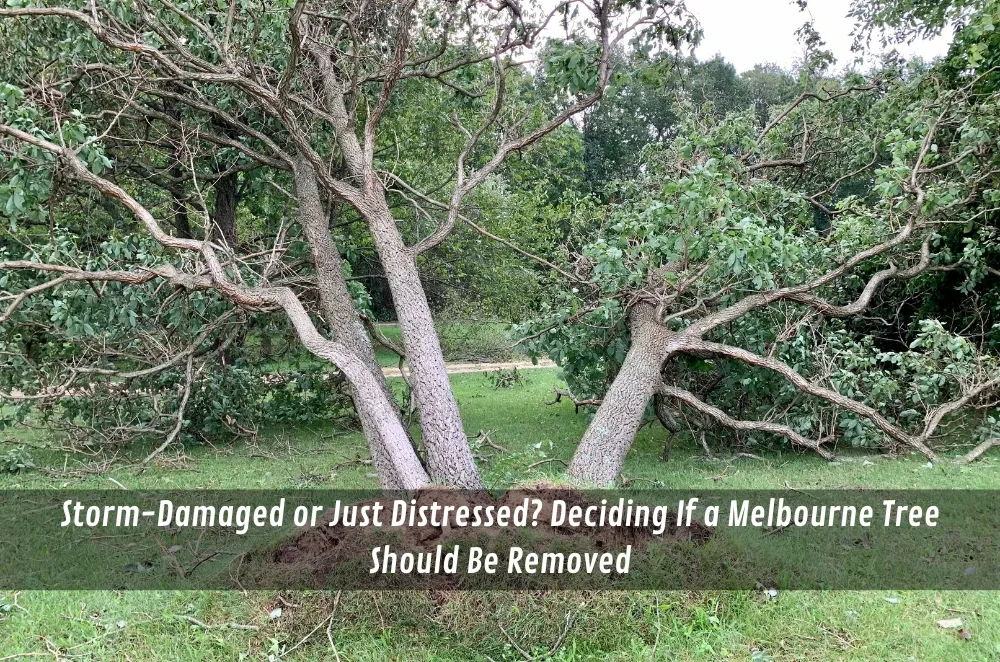
A healthy canopy can still hide trouble brewing at ground or trunk level. Root plates loosen after heavy rain, bark seams widen, and bracket fungi creep skyward, signalling internal decay. None of these are cosmetic. Left unchecked, they weaken the load-bearing core so the tree struggles with the fierce gusts that rumble through Melbourne every spring.
Melbourne’s reactive clay makes matters worse. Dry spells followed by a soaking week cause the ground to shrink and swell, stressing anchor roots. A once-stable trunk may lean a few degrees, then crack without warning during the next wind event.
Early tell-tales worth documenting
- Mushrooms or bracket fungi at the base – often point to heartwood decay that undermines structural strength.
- Sudden leaf drop outside seasonal norms – can indicate a compromised vascular system, perhaps due to borers or root disturbance.
- Soil heaving on one side of the trunk – suggests slow root-plate rotation rather than simple surface movement.
- Widening vertical cracks or seams – hint that internal fibres are separating, especially if you see fresh wood inside.
- Fine sawdust around the butt – may be frass from long-horn beetles tunnelling through structural tissue.
Photograph any change with date stamps. A short visual history gives professionals a clearer baseline than a single inspection.
Safety Isn’t the Only Metric
Nobody wants a limb through the roof, yet removal should stay a last resort for sound ecological reasons. Mature trees sequester more carbon and host more wildlife than young replacements for decades. Before you approve the chainsaws, weigh three broader considerations:
- Habitat value – are tawny frogmouths, sugar gliders or ringtail possums nesting? Relocation plans might be mandatory.
- Micro-climate benefits – shade from a north-facing tree can shave several degrees off indoor summer temperatures, trimming cooling bills.
- Streetscape continuity – in heritage precincts, councils often prefer staged canopy reduction over wholesale removal to preserve neighbourhood character.
If risk can be mitigated with cable-bolting, bracing or selective weight reduction, a competent arborist will present those options first.
Understanding the Real Cost Curve
Home-owners often underestimate the variables driving price. Species density, truck access, crane hire, and green-waste levies all fluctuate suburb to suburb. A quick quote over the phone rarely survives contact with actual site conditions. Crews may discover hidden metal, multiple stem leaders or an undersized drop zone that forces sectional dismantling instead of a straight fell.
Why timing matters
Late winter and early spring usually follow windstorms and create higher demand, nudging rates up. Booking in the calmer months can secure better availability and, occasionally, modest savings. More importantly, proactive scheduling reduces the odds of facing emergency surge pricing.
Permits and Compliance Without the Headache
Melbourne’s councils apply overlapping controls – Heritage, Vegetation Protection, Significant Landscape – each with its own paperwork. Lodge the wrong form and the statutory clock resets, adding weeks. Engage a consulting arborist who writes compliance reports daily; the cost is modest next to fines for unauthorised works that can run well into five figures.
If the species is indigenous or falls within a canopy-cover target, you’ll need to justify removal over pruning or engineering solutions. The Victorian native vegetation removal guidelines outline the assessment criteria and offset requirements planners reference, so reading the primary source speeds conversations and avoids nasty surprises.
Choosing the Right Professional for the Job
A chainsaw in a ute looks cheap until something goes wrong. Prioritise operators who can produce:
- Public liability cover of at least $20 million.
- Current AQF Level 3 certification (minimum) for each climber.
- Evidence of regular equipment audits and Safe Work Method Statements.
- A copy of the approved council permit before ground works start.
Beyond paperwork, pay attention to their communication style. Skilled crews discuss load direction, drop-zone matting, and traffic management – not just stump diameter. They leave the site ready for the next garden project, with mulch neatly stacked if you plan to reuse it and no surprise tyre ruts across the lawn.
What Happens After the Sawdust Settles
Losing a mature tree can feel drastic, but so can repairing storm damage or wrestling with liability claims. When a specimen has tipped from asset to hazard, timely removal often opens space for species better suited to limited urban footprints and warming summers.
Consider replacement planting before works begin. Choosing a young indigenous tree means root disturbance is minimal and council offset obligations are easier to meet. Keep photos and permit documents on file; future buyers will appreciate clear evidence that removal was necessary and compliant.
Removing a tree isn’t an act taken lightly. By tracking early warning signs, balancing ecological value against genuine safety concerns, and stepping through permits methodically, you keep control of both risk and cost. Back that plan with qualified help and you’ll protect the people who share your outdoor space while guiding your garden through its next chapter.

















Sign in to leave a comment.