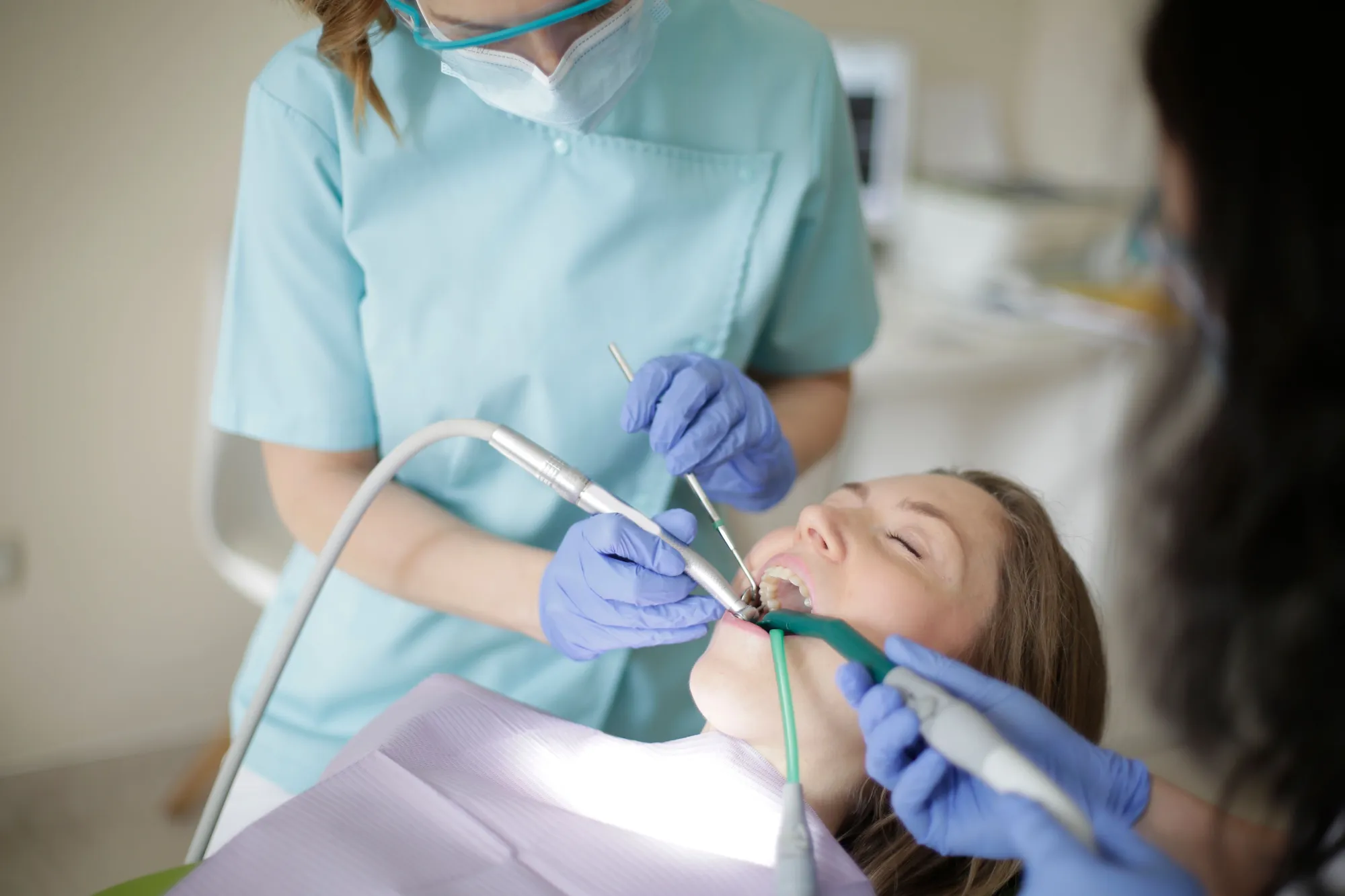

Preserving a natural tooth can often support comfortable chewing, normal appearance, and the stability of surrounding teeth. When infection or inflammation affects the inner part of a tooth, prompt assessment may help determine whether it can be saved rather than removed. A Root Canal Specialist may be needed when the internal tissues are significantly affected or when treatment presents additional complexity. Specialist care can provide detailed assessment and carefully planned treatment aimed at removing infection while preserving as much healthy tooth structure as possible.
Understanding Root Canal Problems
What Happens Inside an Infected Tooth
Inside every healthy tooth is a soft area called the dental pulp, which contains nerves, blood vessels, and connective tissue. When decay, cracks, trauma, or repeated dental procedures damage this tissue, inflammation or infection can develop. If the affected pulp cannot recover naturally, the infection may spread through the root canal system towards the surrounding tissues. Symptoms can include persistent toothache, sensitivity, tenderness when biting, swelling, or an unpleasant taste. In some cases, however, infection can develop without obvious symptoms.
Why Natural Tooth Preservation Matters
A natural tooth has an important role in maintaining normal chewing and supporting the arrangement of neighbouring teeth. When a tooth is removed, nearby teeth may gradually shift into the resulting space, potentially affecting the bite. Replacement options are available, but preserving a natural tooth may be preferable when it can be restored successfully. Root canal treatment can remove infected internal tissue while retaining the outer structure of the tooth. This approach can allow the tooth to continue functioning as part of the natural dentition.
When Specialist Care May Be Appropriate
Complex Root Canal Anatomy
Root canal systems are not always straightforward. Some teeth contain narrow, curved, branching, or unusually shaped canals that can make treatment technically demanding. Molars may have several canals, while other teeth can contain anatomical variations that are difficult to identify without detailed assessment. A Root Canal Specialist receives advanced training in treating problems involving the dental pulp and root canal system. Their experience can be particularly useful when the internal anatomy is complicated and careful cleaning of every relevant canal is necessary.
Persistent Problems After Previous Treatment
A tooth can occasionally continue to cause symptoms after previous root canal treatment. Persistent infection may result from an untreated canal, complex anatomy, inadequate sealing, or other factors affecting the original procedure. Further treatment may sometimes be possible, depending on the condition of the tooth and surrounding tissues. A specialist can assess previous treatment, examine the root canal system, and determine whether retreatment could provide a suitable opportunity to preserve the tooth. Additional imaging may also assist with identifying the source of the problem.
Dental Trauma
An injury to a tooth can damage the pulp even when the external surface initially appears intact. Falls, sporting injuries, accidents, and impacts can affect the nerves and blood supply within a tooth. In some cases, symptoms develop immediately, while in others the pulp may deteriorate gradually. Specialist assessment can help determine whether the pulp remains healthy or whether treatment is necessary. Monitoring may sometimes be appropriate, while an established infection or irreversible pulp damage may require root canal treatment to protect the tooth.
Signs That May Require Assessment
Persistent Tooth Pain
Toothache that continues for an extended period can indicate inflammation or infection within the tooth. Pain may occur spontaneously, become worse at night, or intensify when chewing. Sensitivity to hot or cold foods and drinks can also provide a useful warning sign, particularly when the sensation lingers after the source has been removed. Although these symptoms can have several causes, persistent discomfort deserves professional assessment. Identifying the cause early can help determine whether the tooth can be treated and preserved before the condition becomes more advanced.
Swelling Around the Tooth
Swelling near a tooth may indicate that infection has extended beyond the internal pulp into the surrounding tissues. The affected area may feel tender, appear enlarged, or develop a small raised area on the gum. In some cases, an abscess may form and release an unpleasant tasting fluid. Such symptoms should not be ignored because dental infections can progress. Professional assessment can determine the source of the swelling and establish whether root canal treatment, another dental procedure, or urgent intervention is required.
Sensitivity That Lingers
Short lived sensitivity to cold can sometimes occur for relatively minor reasons, but discomfort that lingers after exposure may indicate irritation or damage within the pulp. Heat sensitivity can also be associated with an inflamed dental pulp. Symptoms vary between individuals, and sensitivity alone cannot confirm that root canal treatment is necessary. A dental examination can combine the patient's symptoms with clinical tests and appropriate imaging. This assessment helps determine whether the pulp is healthy, inflamed, infected, or no longer viable.
How Specialist Assessment Supports Treatment
Detailed Diagnosis
Accurate diagnosis is an important part of successful root canal care. A specialist can review symptoms, examine the tooth, assess its response to different tests, and inspect surrounding tissues. Dental imaging can provide additional information about the roots and supporting bone. In more complex cases, advanced three dimensional imaging may be considered when clinically appropriate. This detailed approach can help distinguish between different causes of pain and determine whether the tooth is suitable for root canal treatment or requires another form of dental care.
Careful Removal of Infected Tissue
During root canal treatment, damaged or infected pulp is removed from the internal canal system. The canals are then cleaned and shaped so that remaining bacteria and debris can be controlled as effectively as possible. Specialist training can be valuable when canals are narrow, curved, calcified, or difficult to locate. Careful instrumentation helps reduce the risk of unnecessary removal of healthy tooth structure. Once the internal system has been appropriately prepared, it can be filled and sealed to reduce the likelihood of further bacterial contamination.
Protecting Remaining Tooth Structure
Preserving the tooth does not simply involve removing infection. The remaining healthy structure also needs to be protected so that the tooth can continue to function. Excessive removal of tooth tissue can weaken the structure, making careful treatment planning important. After root canal therapy, the tooth may require a suitable restoration depending on its location, condition, and remaining structure. A dental professional can recommend an appropriate restoration to help protect the treated tooth from fracture and restore comfortable chewing function.
Advantages of Specialist Root Canal Care
Supporting Tooth Preservation
The central purpose of root canal treatment is to address disease within the tooth while retaining the natural tooth structure whenever possible. Specialist treatment may be particularly useful when the tooth has complicated anatomy or has previously received unsuccessful treatment. By carefully assessing the condition of the tooth and its supporting tissues, a specialist can determine whether preservation remains realistic. Retaining a natural tooth can help maintain normal function and avoid the immediate need for extraction and subsequent tooth replacement.
Managing Difficult Cases
Some root canal cases require additional expertise because of unusual anatomy, previous treatment, calcified canals, instrument separation, or persistent infection. These circumstances can make conventional treatment more challenging. Specialist care focuses specifically on conditions involving the dental pulp and tissues surrounding the roots. A specialist may use advanced equipment and specialised techniques when appropriate. The treatment plan will depend on the individual tooth, its condition, previous procedures, and the likelihood that further intervention can successfully control the underlying problem.
What Patients Can Expect
Before Treatment
Before treatment begins, the dental professional can explain the diagnosis, proposed procedure, expected number of appointments, and restoration requirements. Patients can discuss concerns about discomfort, previous dental experiences, or anxiety so that suitable measures can be considered. Local anaesthesia is normally used during root canal treatment to minimise pain during the procedure. Understanding each stage can also make the appointment feel more predictable. A clear treatment plan allows patients to make informed decisions about preserving the affected tooth.
During and After Treatment
During treatment, the tooth is carefully isolated and the infected or damaged pulp is removed. The canals are cleaned, shaped, and sealed before the tooth receives the appropriate restoration. Some tenderness may occur afterwards because the tissues surrounding the tooth may have been inflamed before treatment. This discomfort is generally manageable, but persistent or worsening symptoms should be reported. Patients should follow aftercare instructions and avoid placing unnecessary pressure on the treated tooth until the recommended final restoration has been completed.
When Treatment May Not Be Suitable
Although root canal treatment can preserve many damaged teeth, it is not appropriate for every situation. A tooth may have insufficient healthy structure remaining, severe supporting bone loss, an extensive fracture, or another condition that makes successful restoration unlikely. The decision requires individual assessment rather than relying on symptoms alone. A specialist can examine the tooth and explain the available options, including whether further treatment could preserve it or whether removal and subsequent replacement should be considered.
Maintaining a Treated Natural Tooth
A root canal treated tooth still requires regular oral hygiene and professional dental care. Patients should continue brushing twice daily with fluoride toothpaste and clean between the teeth according to professional advice. Regular examinations can help monitor the treated tooth and identify problems affecting the restoration or surrounding tissues. Avoiding habits that place excessive force on teeth can also reduce the risk of fractures. Good long term care can help the restored tooth remain functional and contribute to overall oral health.
When Urgent Attention Is Necessary
Certain symptoms require prompt dental attention, particularly when an infection appears to be worsening. Facial swelling, significant pain, fever, difficulty swallowing, or difficulty opening the mouth can indicate a more serious dental infection. Swelling accompanied by difficulty breathing requires immediate emergency medical attention. Patients should not attempt to drain an abscess themselves or rely solely on temporary home remedies. Professional assessment can establish the source of infection and determine appropriate treatment while reducing the risk of complications associated with an untreated dental infection.
Final Thoughts
A damaged or infected tooth does not always need to be removed. Careful diagnosis, appropriate root canal treatment, and suitable restoration can sometimes allow a natural tooth to remain functional for many years. Specialist assessment can be particularly valuable when anatomy is complex, symptoms persist after previous treatment, or dental trauma has affected the pulp. Early attention to pain, swelling, sensitivity, or other unusual symptoms can support timely care. Individuals seeking specialist assessment for complex root canal concerns can consult Shiraz Endodontic Practice for guidance based on their individual dental needs.


























Sign in to leave a comment.