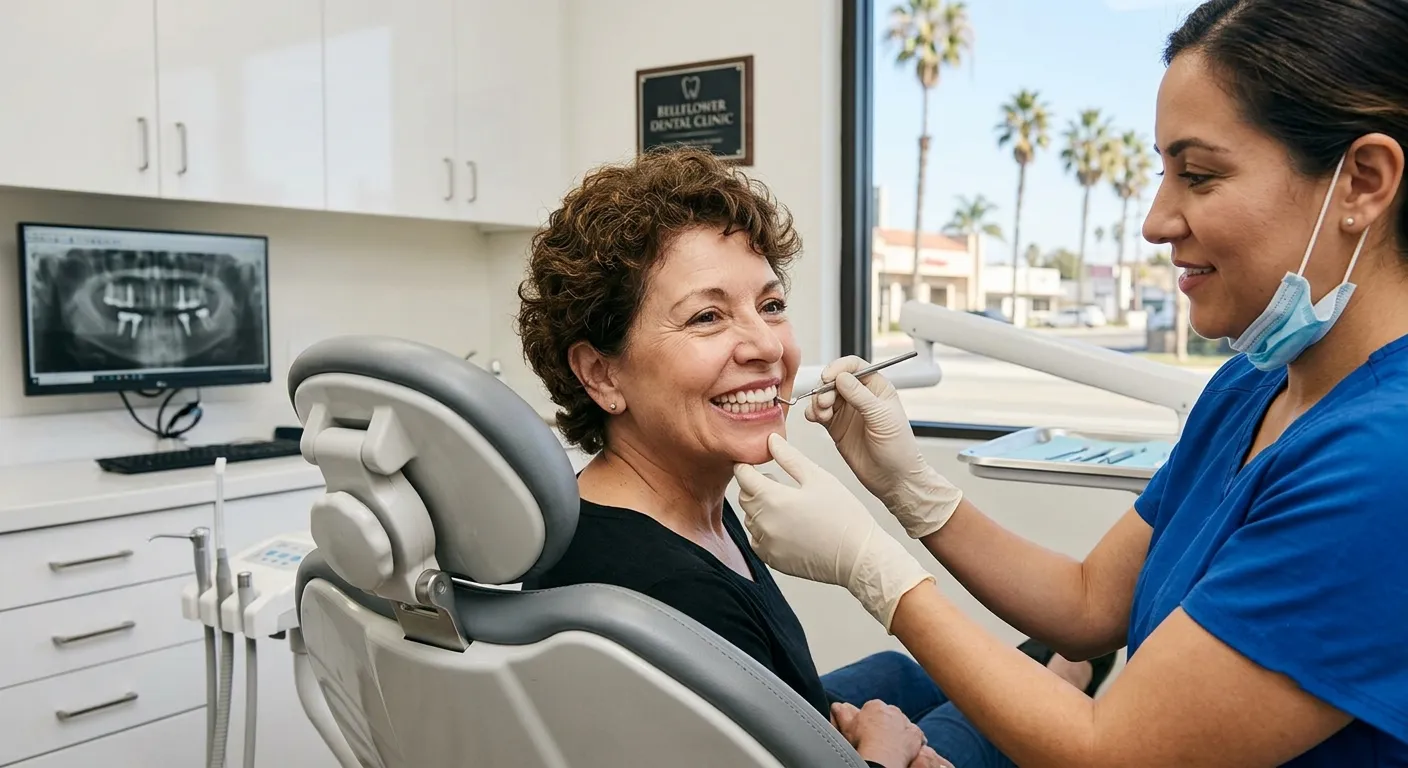

A toothache can start as a small annoyance and quickly become a major disruption. Pain while eating, sensitivity to hot or cold drinks, or a persistent throbbing sensation may make it difficult to focus on everyday responsibilities. In some cases, these symptoms indicate a dental problem that should be addressed promptly.
Understanding the difference between routine dental concerns and emergencies can help you seek appropriate care at the right time. If severe symptoms appear, contacting an emergency dentist artesia can provide an opportunity to identify the cause of the problem and discuss suitable treatment options.
Why Do Dental Emergencies Happen?
Dental emergencies can develop for several reasons. Tooth decay is a common cause of dental pain. When a cavity is left untreated, decay can progress deeper into the tooth, eventually affecting sensitive internal tissues.
Physical injuries can also cause sudden dental problems. A tooth may crack or break after an accident, sports injury, fall, or biting down on something particularly hard. Even if the initial pain seems manageable, damaged tooth structure can become more vulnerable to additional problems.
Dental infections are another concern. An infection may cause persistent pain, swelling, tenderness, sensitivity, or an unpleasant taste in the mouth. Because an infection can progress, prompt professional evaluation is important when these symptoms appear.
Symptoms You Should Not Ignore
Knowing the warning signs of a dental emergency can help you respond appropriately. Severe or persistent pain is one of the most obvious symptoms. If pain interferes with sleeping, eating, speaking, or daily activities, it should be evaluated by a dental professional.
Other symptoms that may require urgent care include:
- Swelling around the gums or face
- A severely cracked or broken tooth
- Persistent oral bleeding
- A loose permanent tooth after an injury
- Severe sensitivity to temperature
- An abscess or drainage near the gums
- Pain when biting or chewing
- A tooth that has been knocked out
If facial swelling makes it difficult to breathe or swallow, seek emergency medical care immediately.
Understanding Tooth Extraction
Many people become concerned about extraction as soon as a tooth becomes painful. However, dentists generally attempt to preserve natural teeth whenever possible.
Extraction may be considered when a tooth has extensive decay, severe structural damage, or a fracture that cannot be successfully restored. In some situations, advanced infection may also influence the decision.
If you are searching for tooth extraction near me, an examination should be the first step. Tooth pain does not necessarily mean the tooth must be removed. Depending on its condition, a dentist may recommend a filling, crown, root canal treatment, or another restorative procedure.
A professional evaluation allows the dentist to consider the condition of the tooth, surrounding tissues, and overall oral health before recommending treatment.
What Happens During an Emergency Dental Examination?
An emergency dental visit usually begins with a discussion about your symptoms. The dentist may ask when the pain began, whether it is constant, and whether certain foods or activities make it worse.
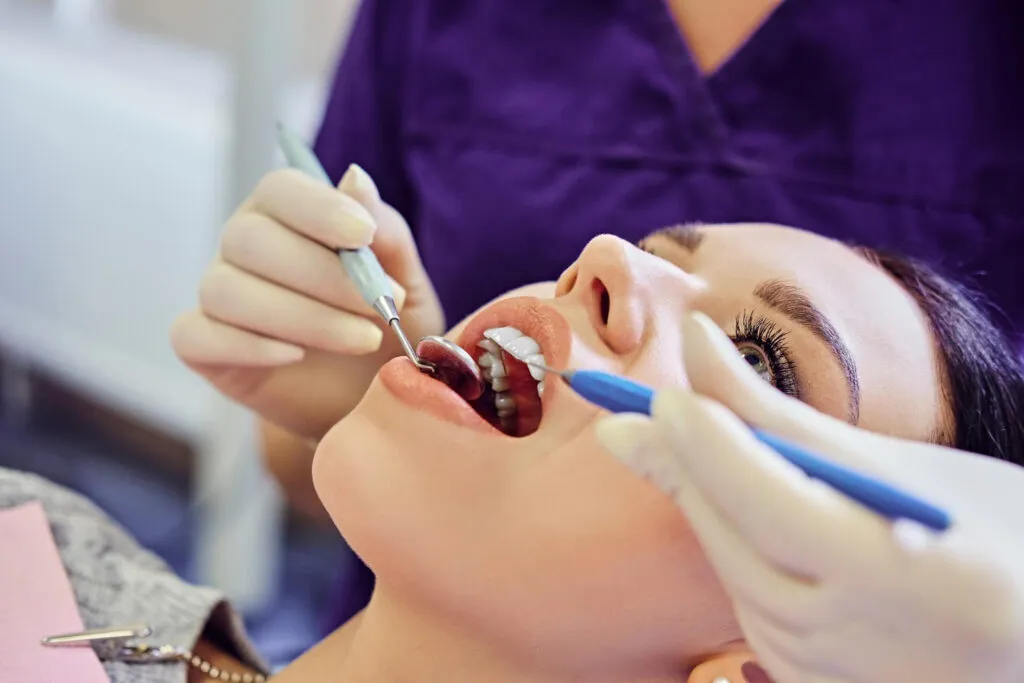
Next, the affected area will be examined. Dental X-rays may be recommended to provide additional information about the tooth and surrounding bone. Imaging can help identify deep decay, infection, fractures, or other problems that may not be visible during a standard examination.
Once the cause is determined, the dentist can explain the available treatment options. The recommended approach will depend on the specific condition of the tooth and your overall oral health.
What Can You Do Before Your Appointment?
If you experience sudden dental pain, there are several steps you can take while waiting for professional care.
Keep the affected area clean and gently brush your teeth. Avoid chewing on the painful side of your mouth, particularly when eating hard or sticky foods. Extremely hot or cold foods and drinks may also increase sensitivity.
A cold compress placed against the outside of the cheek may provide temporary relief from swelling. If you use an over-the-counter pain reliever, follow the product's directions carefully and consider any guidance from your healthcare professional.
Never attempt to extract a tooth yourself or repair significant dental damage at home. If a tooth has been knocked out, seek dental care as quickly as possible.
Recovery and Follow-Up Care
After emergency treatment, following your dentist's instructions is essential. If an extraction is performed, you will receive guidance on protecting the extraction site while it heals.
You may need to temporarily modify your diet and avoid certain activities. Keeping the area undisturbed and maintaining appropriate oral hygiene can support recovery.
If you experience unexpected bleeding, worsening swelling, severe discomfort, or other unusual symptoms after treatment, contact your dental provider for advice.
After the immediate problem has been resolved, follow-up appointments can help monitor healing and address any remaining dental concerns.
Preventing Future Dental Emergencies
Although some emergencies cannot be avoided, preventive dental care can reduce the risk of serious problems. Regular dental examinations can help identify cavities, gum problems, damaged restorations, and other concerns before they become painful.
Daily brushing with fluoride toothpaste, flossing, limiting excessive sugar, and wearing protective equipment during sports can also help protect your teeth.
It is equally important to address minor dental symptoms promptly. A small cavity or mildly sensitive tooth may be easier to treat before it develops into a more complicated problem.
Take Action When Pain Appears
A sudden toothache should not automatically be treated as something you simply have to tolerate. Persistent pain, swelling, tooth damage, or signs of infection can indicate an underlying problem that deserves professional attention.
If you need an emergency dentist artesia, prompt evaluation can help identify the source of your discomfort and determine an appropriate course of treatment. For those researching tooth extraction near me, a professional examination can clarify whether extraction is necessary or whether the natural tooth can be preserved.
Taking dental symptoms seriously and seeking timely care can help protect your oral health while giving you a better opportunity to maintain a comfortable, healthy smile.























Sign in to leave a comment.