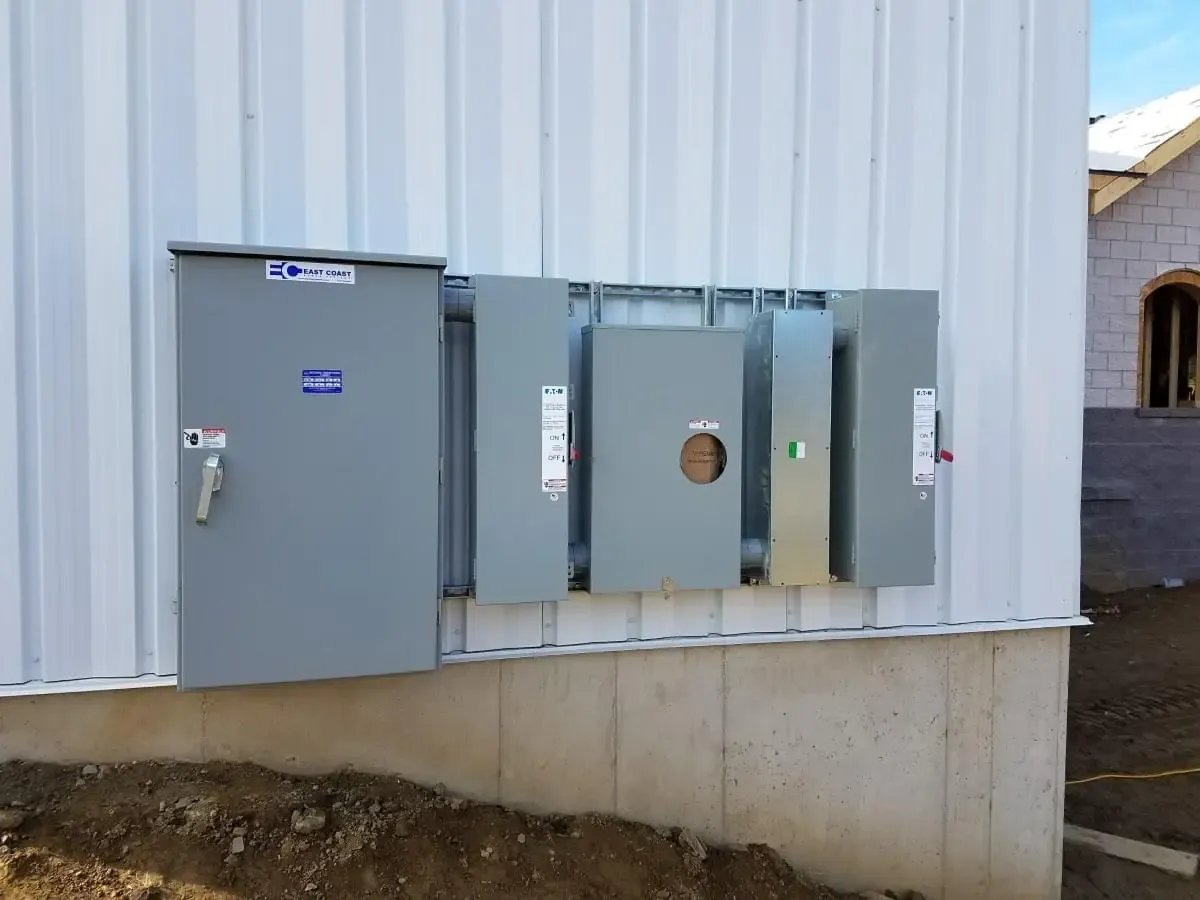

Older homes often have character, history, and features that make them appealing to homeowners. However, the electrical systems inside these properties may not always meet the demands of modern living. Families now depend on numerous appliances, devices, and electrical equipment throughout the day. As these demands increase, an aging electrical system may struggle to provide reliable performance. For homeowners experiencing capacity concerns, safety issues, or frequent electrical problems, a panel upgrade Lancaster PA project may become an important step toward improving the home's electrical capabilities.
Understanding the Importance of an Electrical Panel
The electrical panel serves as the central distribution point for electricity throughout a home. It directs power to different circuits that support lighting, appliances, outlets, and other equipment. Because of its important role, the panel must have sufficient capacity to handle the electrical needs of the household. Older homes may have panels that were designed for a much lower level of electricity use. As homeowners add more modern equipment, the existing system can eventually become less capable of supporting everyday electrical demands safely and efficiently.
How Electrical Needs Have Changed Over Time
Homes built many years ago were designed for lifestyles that required significantly less electricity. Earlier households typically used fewer appliances, electronic devices, and specialized electrical systems. Today, residents may operate computers, televisions, kitchen appliances, charging equipment, heating systems, and many other devices at the same time. This change in electrical usage can place additional pressure on older systems. A panel that once provided sufficient capacity may no longer be suitable for the demands of a modern household without careful evaluation and possible improvements.
Frequent Circuit Breaker Problems
Circuit breakers are designed to protect electrical circuits when problems such as overloads occur. An occasional breaker trip does not always indicate that the electrical panel needs replacement. However, frequent tripping can be a sign that the system is experiencing ongoing problems. When homeowners regularly reset breakers because appliances or devices cause power interruptions, the situation should receive professional attention. Repeated interruptions may indicate that certain circuits are overloaded or that the electrical system requires improvements to better support the property's current electrical needs.
When Circuit Overloads Become Common
Older homes sometimes have fewer circuits than modern households require. As more devices are connected to existing outlets, individual circuits can experience greater demand. Homeowners may notice that using several appliances in the same area causes a breaker to trip repeatedly. Resetting the breaker may temporarily restore power, but it does not always address the underlying cause. A professional electrical evaluation can identify whether the problem involves excessive demand, damaged equipment, insufficient circuits, or another issue that requires a more permanent solution.
Flickering and Dimming Lights
Lights that repeatedly flicker or dim can be frustrating and may also indicate that an electrical system needs attention. These changes can become noticeable when larger appliances or equipment begin operating. Although flickering lights can result from several different issues, repeated or widespread problems should not be ignored. Older electrical systems may struggle to manage changing power demands throughout the home. A professional inspection can help determine whether the panel, wiring, connections, or another electrical component is contributing to the problem and requiring corrective work.
Paying Attention to Electrical Warning Signs
Homeowners should pay close attention to unusual changes in the way their electrical system operates. Flickering lights, inconsistent power, unusual sounds, warm electrical components, and frequently tripped breakers can all deserve further investigation. These signs do not always mean that a complete panel replacement is immediately necessary, but they should not be dismissed without proper evaluation. A qualified professional can examine the electrical system and identify the cause of the problem. Early attention may help homeowners address concerns before they develop into more serious electrical issues.
Limited Space for Additional Circuits
An older electrical panel may have limited space for new circuits. This can become a problem when homeowners plan to add appliances, renovate rooms, or create new functional areas within the property. Modern kitchens, home offices, workshops, and entertainment spaces often require more electrical capacity than the original system was designed to provide. When a panel no longer has sufficient room for additional circuits, homeowners may need to consider an upgrade. Professional planning can help determine the best approach for supporting the property's changing electrical requirements.
Supporting Home Renovation Projects
Renovation projects can significantly increase a home's electrical needs. A kitchen remodel may include additional appliances and lighting, while a finished basement may require multiple new outlets and circuits. Bathroom upgrades, room additions, and outdoor improvements can also create new electrical demands. Before beginning a major renovation, homeowners should consider the capacity of their existing electrical system. Evaluating the panel early in the planning process can help prevent delays and ensure that the upgraded areas have the power needed to support their intended purpose effectively.
Adding Modern Appliances and Technology
Modern households use more electrical equipment than ever before. Large appliances, computers, entertainment systems, smart technology, and charging devices all contribute to a property's overall electrical demand. Older homes may not have been designed with these requirements in mind. Adding several new devices without evaluating the existing system can increase pressure on circuits and the electrical panel. A professional assessment can help homeowners understand whether their current system has sufficient capacity or whether improvements may be necessary to support modern electrical equipment.
Preparing for New Electrical Equipment
Homeowners may also decide to add equipment that requires significant electrical capacity. New heating or cooling systems, advanced appliances, workshop equipment, and electric vehicle charging equipment can all affect the demands placed on a home's electrical system. Before installing these additions, it is important to understand whether the existing panel can safely support them. Professional evaluation can provide valuable information about available capacity and potential limitations. This allows homeowners to make informed decisions before investing in equipment that requires substantial electrical power.
Outdated Electrical Panels and Equipment
The age of an electrical panel does not automatically determine whether it needs replacement. However, older equipment should be evaluated carefully because it may no longer provide the capacity or performance needed by a modern household. Some properties still contain panels that have been in service for many decades. Over time, electrical components can experience wear, damage, or deterioration. A professional inspection can help determine the condition of the panel and whether its current design remains appropriate for the electrical demands of the property.
Evaluating the Condition of an Older System
A thorough electrical evaluation considers more than the visible appearance of the panel. Professionals may examine circuit capacity, electrical connections, available space, grounding, and the condition of important components. They also consider how the household currently uses electricity and whether future changes are planned. This information can provide a clearer understanding of whether the existing system remains suitable. Homeowners should seek professional guidance instead of making assumptions based solely on the age of their property or the appearance of the electrical equipment.
Increased Demand From Modern Lifestyles
The way people use electricity has changed significantly over the years. Homes now contain devices and systems that were uncommon when many older properties were constructed. Multiple family members may use computers, televisions, mobile devices, and other technology at the same time. Appliances have also become more advanced and specialized. These changes can create a higher demand for electrical power throughout the home. A system that was once sufficient may eventually require improvements to maintain reliable performance and support modern household activities.
Planning for Future Electrical Needs
Homeowners should consider future needs when evaluating an older electrical panel. A property may currently have enough capacity, but planned improvements could change that situation. Future renovations, additional appliances, electric vehicles, or new technology may increase electricity usage. Planning ahead can help homeowners avoid repeated electrical modifications and unexpected capacity problems. A panel upgrade may provide additional flexibility for future projects when a professional determines that the existing system is no longer capable of supporting anticipated electrical demands.
Improving Electrical Safety and Reliability
A reliable electrical system is important for the comfort and functionality of every home. An older panel that is overloaded, damaged, or unable to support current electrical demands may require professional attention. Upgrading the system can provide an opportunity to address capacity limitations and improve the organization of electrical circuits. Every property has different requirements, so the decision should be based on a careful evaluation rather than age alone. Professional guidance can help homeowners understand the most appropriate options for improving electrical safety and long term reliability.
The Value of Professional Electrical Work
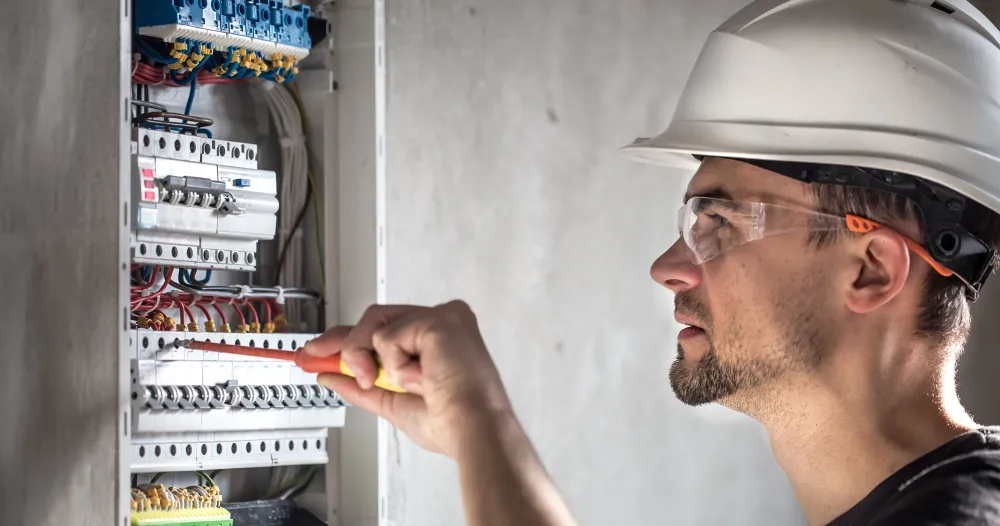
Electrical panel projects involve complex connections that affect the entire home. For this reason, professional knowledge and careful workmanship are essential. A qualified electrical professional can evaluate the property, identify existing concerns, and recommend suitable solutions based on the home's electrical requirements. Proper installation helps ensure that new equipment is connected correctly and designed to support the household's needs. Professional assistance also provides homeowners with greater confidence when making important decisions about the safety, capacity, and future performance of their electrical systems.
Conclusion
An older home should consider a panel upgrade when its existing electrical system shows signs of limited capacity, frequent problems, or difficulty supporting modern equipment. Repeated breaker trips, flickering lights, limited circuit space, outdated components, and planned renovations can all indicate that a professional evaluation is needed. Addressing electrical concerns at the appropriate time can help homeowners prepare their properties for changing demands. For dependable assistance with electrical improvements and professional guidance, Kilgore Electric, Inc. can help homeowners address important electrical needs with care and expertise.

























Sign in to leave a comment.