When Are lifting and rigging solutions Most Valuable for Complex Operations?

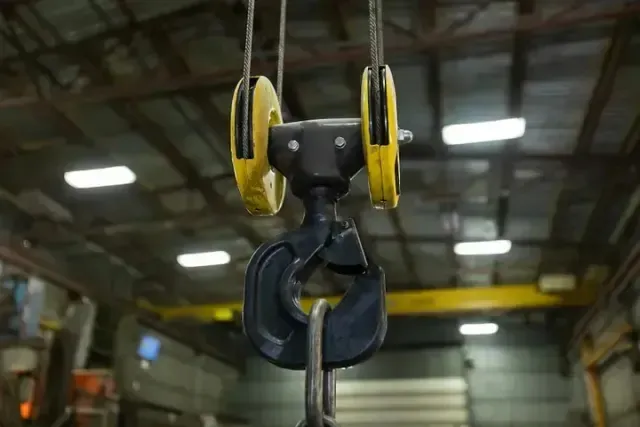
Complex industrial operations often involve heavy, oversized, irregular, or difficult to position loads that require careful planning before movement begins. Such activities can present challenges involving limited workspace, unusual lifting points, changing conditions, and demanding handling requirements. In these situations, lifting and rigging solutions can provide structured approaches for connecting, supporting, positioning, and moving materials safely. Their value becomes especially clear when ordinary handling methods cannot provide sufficient control. Properly selected equipment and carefully planned procedures help organizations manage challenging loads while supporting workplace safety, operational consistency, and greater confidence throughout each stage of material movement.
Understanding Complex Lifting Operations
Complex lifting operations can involve many variables that influence how a load should be handled. Weight alone does not determine the safest lifting method because dimensions, shape, center of gravity, attachment points, and surrounding obstacles also affect the operation. A load may require multiple connection points or specialized equipment to maintain stability during movement. Workers should evaluate these characteristics before beginning any lift. A detailed assessment allows potential challenges to be identified early and helps teams develop an organized approach that considers equipment capabilities, worker responsibilities, environmental conditions, and the intended movement path.
Evaluating Load Characteristics
Load characteristics provide essential information for determining an appropriate lifting arrangement. Heavy machinery, structural components, fabricated assemblies, and irregular materials can each create different demands during movement. Workers should identify the load weight, dimensions, center of gravity, available lifting points, and surface conditions before selecting equipment. Understanding how the load may react when lifted can help prevent unexpected rotation or shifting. Careful assessment also allows workers to determine whether additional protection or specialized components may be necessary. This preparation supports controlled handling and reduces uncertainty during critical stages of the operation.
Managing Difficult Load Configurations
Some loads cannot be handled effectively with simple lifting arrangements because their shapes or dimensions make balance difficult. Long, narrow, uneven, or unusually shaped materials may require careful positioning of connection points to maintain stability. Rigging arrangements should account for how forces will be distributed throughout the load. Workers should avoid relying on assumptions based only on previous tasks because similar looking loads may have different weight distributions. Proper planning allows the lifting arrangement to be adjusted according to the specific load, helping reduce unnecessary movement and supporting more predictable handling.
Working Within Limited Spaces
Restricted work areas can make complex lifting especially challenging. Buildings, machinery, storage racks, walls, overhead structures, and other obstacles may limit the available movement path. Workers need to understand how the load and lifting equipment will move through the area before the operation begins. A restricted environment may require different connection points, additional guidance, or carefully coordinated movements. Planning the complete path helps identify potential interference before lifting starts. By accounting for available space, teams can reduce unexpected contact and create a more controlled process for moving difficult materials.
Selecting Appropriate Equipment
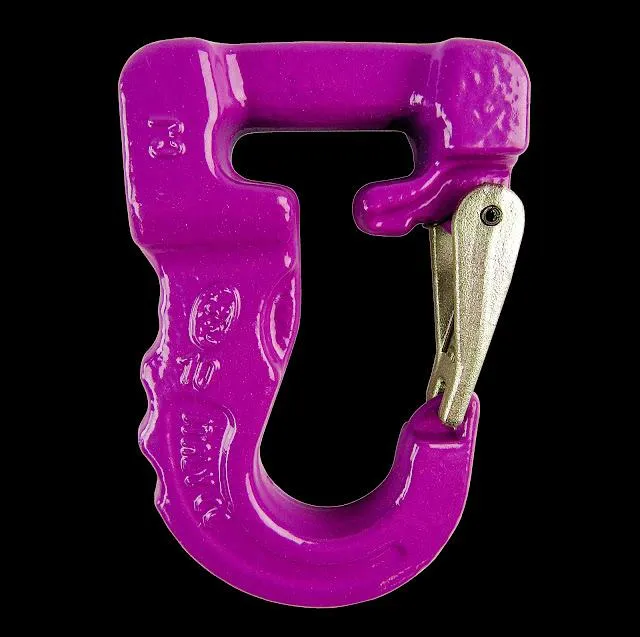
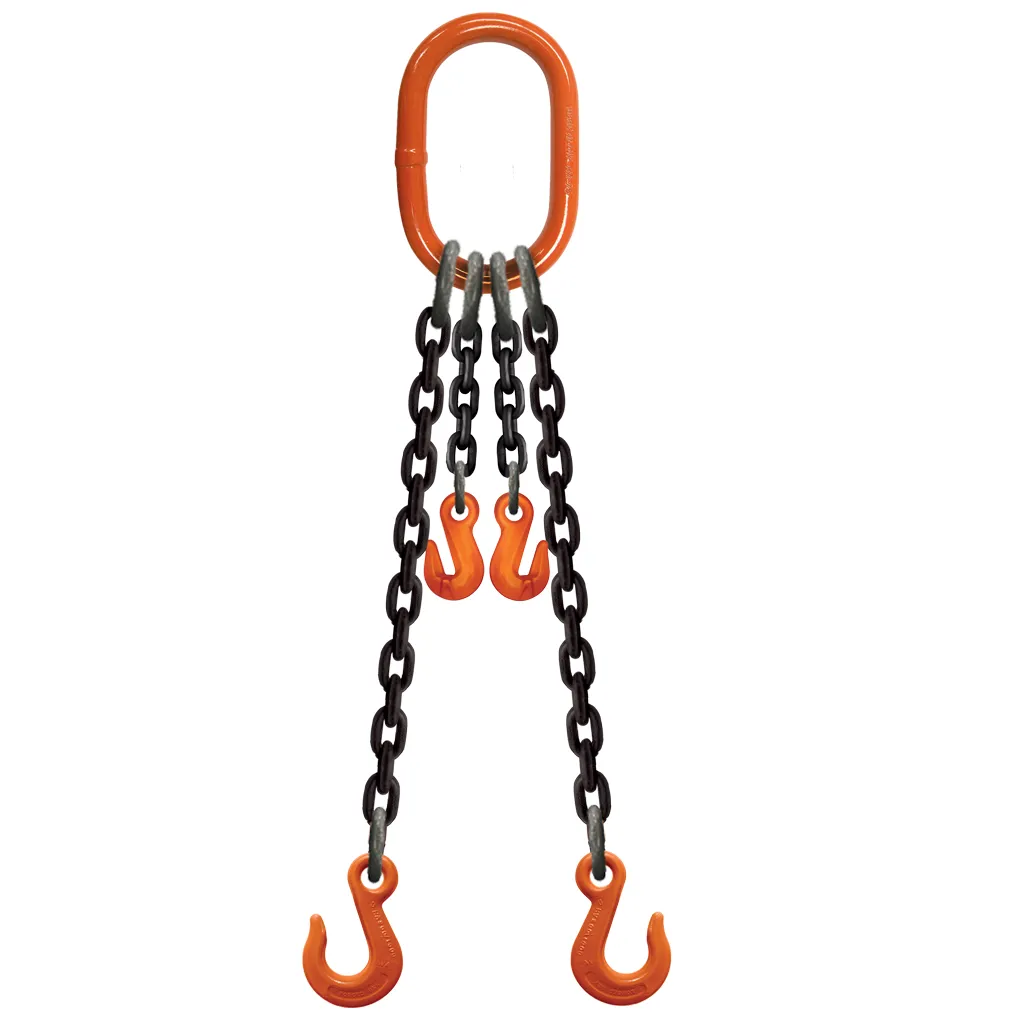
Equipment selection becomes increasingly important when lifting conditions become more complicated. Different slings, chains, hooks, lifting points, and connection components can provide different capabilities. Workers should consider load weight, configuration, environmental exposure, lifting angles, and attachment requirements before choosing components. Equipment should remain within its rated capacity and intended application. Combining components without considering compatibility can create unnecessary risks. A systematic selection process helps ensure that each part of the lifting arrangement contributes appropriately to load control. This approach supports safer operations while reducing the possibility of equipment misuse.
Considering Lifting Angles
Lifting angles can affect the forces placed on rigging components and connection points. As sling angles change, the forces acting within the arrangement may increase, making proper planning essential. Workers should understand the configuration being used and verify applicable capacity information before beginning a lift. Incorrect assumptions about angles can result in unsuitable equipment selection or excessive loading. Clear procedures and appropriate training help workers recognize these considerations during planning. Evaluating angles in advance supports better equipment decisions and helps create a lifting arrangement capable of managing expected forces.
Supporting Load Stability
Load stability is a central concern during complex lifting operations. A load that is not properly balanced may tilt, rotate, or shift when it leaves its supporting surface. These movements can place unexpected forces on equipment and make the load more difficult to control. Workers should identify the center of gravity and position connection points accordingly. Trial lifting may sometimes help confirm stability when conducted under appropriate procedures. Maintaining control from the beginning helps reduce sudden movement and allows workers to respond more effectively if the load behaves differently than expected.
Protecting Contact Areas
Contact between slings and load surfaces can create abrasion, cutting, crushing, or other forms of damage. Sharp corners and rough surfaces are particularly important because they can affect sling condition during tensioning and movement. Protective accessories may help separate sling material from damaging surfaces and distribute contact forces more effectively. Workers should identify vulnerable areas before the lift begins and position protection correctly. This precaution supports equipment longevity while helping maintain the integrity of the lifting arrangement. Protection should always complement, rather than replace, proper equipment selection and inspection.
Planning Communication
Communication becomes increasingly important when several workers participate in a complex lifting operation. Personnel need to understand who is responsible for directing movement, monitoring the load, controlling equipment, and maintaining awareness of surrounding conditions. Clear signals and agreed communication methods help reduce confusion during critical movements. Workers should establish communication procedures before the load is raised, particularly when visibility is limited. Consistent communication supports coordinated actions and allows concerns to be addressed promptly. When everyone understands their role, the lifting process becomes more organized and reduces the likelihood of conflicting instructions.
Coordinating Movement
Complex loads may require slow, controlled movement to avoid contact with structures or other equipment. Workers should coordinate lifting, positioning, traveling, and lowering actions so that the load remains stable throughout the operation. Sudden movements can create additional forces and make control more difficult. The movement path should remain clear, and personnel should stay in appropriate positions away from potential hazards. Coordinated movement helps maintain predictable load behavior. Careful pacing also provides workers with opportunities to stop the operation if unexpected conditions develop during handling.
Considering Environmental Conditions
Environmental conditions can significantly affect complex lifting activities. Outdoor operations may involve wind, rain, uneven surfaces, or changing visibility, while indoor environments may present temperature, moisture, dust, or restricted access concerns. Workers should evaluate these conditions before beginning the task and determine whether they could affect equipment or load stability. Certain conditions may require additional precautions or postponement until the environment becomes suitable. Considering environmental factors as part of planning helps prevent unexpected changes from compromising the lifting arrangement and supports more controlled operations from preparation through completion.
Handling Unexpected Changes
Even carefully planned operations can encounter changing conditions. Equipment availability, weather, load positioning, workspace access, or other factors may differ from initial expectations. Workers should be prepared to stop and reassess the operation rather than continuing with an arrangement that no longer appears suitable. Changes should be communicated clearly to everyone involved. Reassessment provides an opportunity to select different equipment, modify the movement path, or introduce additional protective measures. A flexible approach supports safety because it recognizes that the original plan may need adjustment when actual conditions differ from expectations.
Importance of Equipment Inspection
Inspection is essential before complex lifting activities begin. Workers should examine slings, chains, hooks, shackles, lifting points, and other components for damage or deterioration. Cuts, broken fibers, excessive abrasion, corrosion, deformation, cracks, heat damage, or missing identification can indicate that equipment requires further evaluation. Damaged equipment should be removed from service according to established procedures. Inspection should also confirm that components are compatible with the planned configuration. A careful inspection helps identify problems before equipment is subjected to significant forces and supports greater confidence in the lifting arrangement.
Supporting Equipment Maintenance
Proper maintenance and storage contribute to reliable equipment performance. Lifting components should be protected from unnecessary exposure to chemicals, moisture, extreme temperatures, sharp objects, and other damaging conditions. Organized storage makes equipment easier to inspect and reduces the possibility of accidental damage. Businesses should also establish procedures for identifying and removing equipment that no longer meets acceptable conditions. Regular maintenance supports consistent readiness for complex operations. When equipment is properly cared for, workers can spend less time addressing preventable equipment issues and more time focusing on safe preparation and execution.
Training for Complex Operations
Workers involved in complex lifting activities need appropriate knowledge of equipment, procedures, communication methods, and potential hazards. Training can help personnel understand load assessment, sling configurations, working load limits, inspection requirements, and protective measures. Practical instruction may also help workers recognize situations that require additional planning or qualified assistance. Refresher training can reinforce important practices and address changes in equipment or workplace conditions. Knowledgeable workers are better prepared to identify risks before a lift begins. Training therefore supports both individual awareness and coordinated performance during demanding material handling operations.
Establishing Clear Procedures
Clear procedures help organizations manage complex lifting activities consistently. Written guidance can identify planning requirements, inspection steps, communication methods, equipment selection considerations, and actions required when unexpected conditions arise. Procedures should reflect actual workplace conditions and should be reviewed when operations or equipment change. Workers can use these instructions as a framework while still evaluating the specific characteristics of each load. Consistent procedures reduce uncertainty and help ensure that important preparation steps are not overlooked. They also provide supervisors with a practical basis for reinforcing safe lifting expectations.
Supporting Operational Efficiency
Complex lifting does not necessarily mean inefficient lifting. Careful planning can reduce interruptions caused by equipment changes, unexpected movement, or repeated repositioning. When workers understand the load, equipment, movement path, and communication process before starting, the operation can proceed more smoothly. Efficiency should never involve skipping inspections or rushing preparation. Instead, effective planning allows teams to identify potential problems before they become disruptive. This approach can help organizations complete demanding lifting tasks in a controlled manner while maintaining attention to worker safety and equipment protection throughout the operation.
Reviewing Each Operation
Every complex lifting task should receive an individual assessment, even when similar operations have been completed previously. Small differences in load dimensions, weight distribution, environmental conditions, or workspace layout can affect the appropriate lifting arrangement. Workers should review the current conditions rather than relying entirely on previous experience. This practice encourages continuous awareness and helps prevent routine assumptions from influencing important safety decisions. Reviewing each operation also provides opportunities to improve procedures based on previous observations. Consistent evaluation supports safer planning and helps organizations adapt their practices to changing operational requirements.
Building a Reliable Lifting Strategy
A reliable lifting strategy combines suitable equipment, careful planning, trained workers, effective communication, proper inspection, and attention to environmental conditions. Each element contributes to the overall control of the operation. Removing one element can create weaknesses that affect the entire process. Businesses should therefore view complex lifting as a coordinated activity rather than a simple equipment selection task. A structured strategy helps workers understand what needs to happen before, during, and after a lift. This organized approach supports better decision making and can reduce avoidable risks during challenging material handling operations.
Knowing When Additional Expertise Helps
Some lifting tasks may involve unusual loads, complicated configurations, restricted access, or significant environmental challenges. In such situations, additional technical expertise can provide valuable support during planning. Qualified personnel can help evaluate load characteristics, equipment requirements, connection arrangements, and movement paths. Seeking assistance when conditions exceed routine experience is a responsible approach to risk management. Workers should not improvise solutions when they are uncertain about equipment capabilities or lifting arrangements. Recognizing when additional expertise is appropriate helps organizations address complex requirements more systematically and supports safer operational decisions.
Conclusion
lifting and rigging solutions become especially valuable when industrial operations involve challenging loads, restricted spaces, unusual configurations, demanding environments, or complicated movement requirements. Their effectiveness depends on appropriate equipment selection, load assessment, protection, inspection, communication, worker training, and detailed planning. Organizations that evaluate each operation carefully can improve control while reducing avoidable risks. Complex lifting requires a coordinated approach because every component and procedure contributes to the overall outcome. Lift-All Company, Inc. can support organizations seeking dependable equipment and informed practices for managing demanding lifting activities with greater consistency, preparation, and operational confidence.



Sign in to leave a comment.