

A standard retirement plan may work well during the early stages of a career, but its contribution limits may become restrictive as business income grows. High-earning professionals need to review how their current plan supports long-term retirement goals, tax planning, and annual savings capacity. Understanding plan design, funding requirements, and future benefit obligations helps business owners decide when a different retirement strategy deserves consideration, particularly when evaluating Defined Benefit Plan vs Defined Contribution Plan options.
A growing business often creates new opportunities for its owner, but higher income also brings more complex financial decisions. One of these decisions is whether an existing retirement plan still supports the owner's long-term goals. A traditional 401(k) or other defined contribution arrangement may provide a solid foundation, yet its annual contribution limits can restrict how much an individual sets aside for retirement.
For high earners, the issue is not simply whether they save enough each year. It is whether their retirement plan allows them to accumulate assets at a pace that reflects their income, remaining working years, and retirement expectations. Reviewing the available plan structures, including the differences in a Defined Benefit Plan vs Defined Contribution Plan, helps identify when a more tailored approach may be appropriate.
1. Annual Contribution Limits No Longer Match Retirement Goals
Defined contribution plans, including traditional 401(k) plans, generally limit how much participants can contribute each year. Employer contributions and other plan rules also affect the total amount that may be allocated to an individual's account.
These limits may be sufficient for employees with moderate incomes or people who begin saving early. However, a business owner earning several hundred thousand dollars annually may want to save a much larger share of their income than the plan permits.
Consider a business owner whose annual profits have increased substantially over the past five years. Even if the owner consistently makes the maximum permitted contribution to a 401(k), the amount saved may not reflect their current earnings or retirement timeline.
Before changing plans, business owners should review:
- Current retirement assets and projected growth.
- The number of years remaining until retirement.
- Expected retirement income and spending needs.
- Annual contribution limits under the existing plan.
- Whether another qualified retirement plan structure could support higher contributions.
Contribution limits are only one part of the decision. A suitable plan must also fit the business's financial position and ongoing obligations.
2. A Defined Contribution Plan May Not Provide Enough Funding Capacity
A defined contribution plan determines how much money goes into an individual account through employee contributions, employer contributions, or both. The eventual retirement benefit depends on contributions, investment performance, fees, and the length of time the assets remain invested.
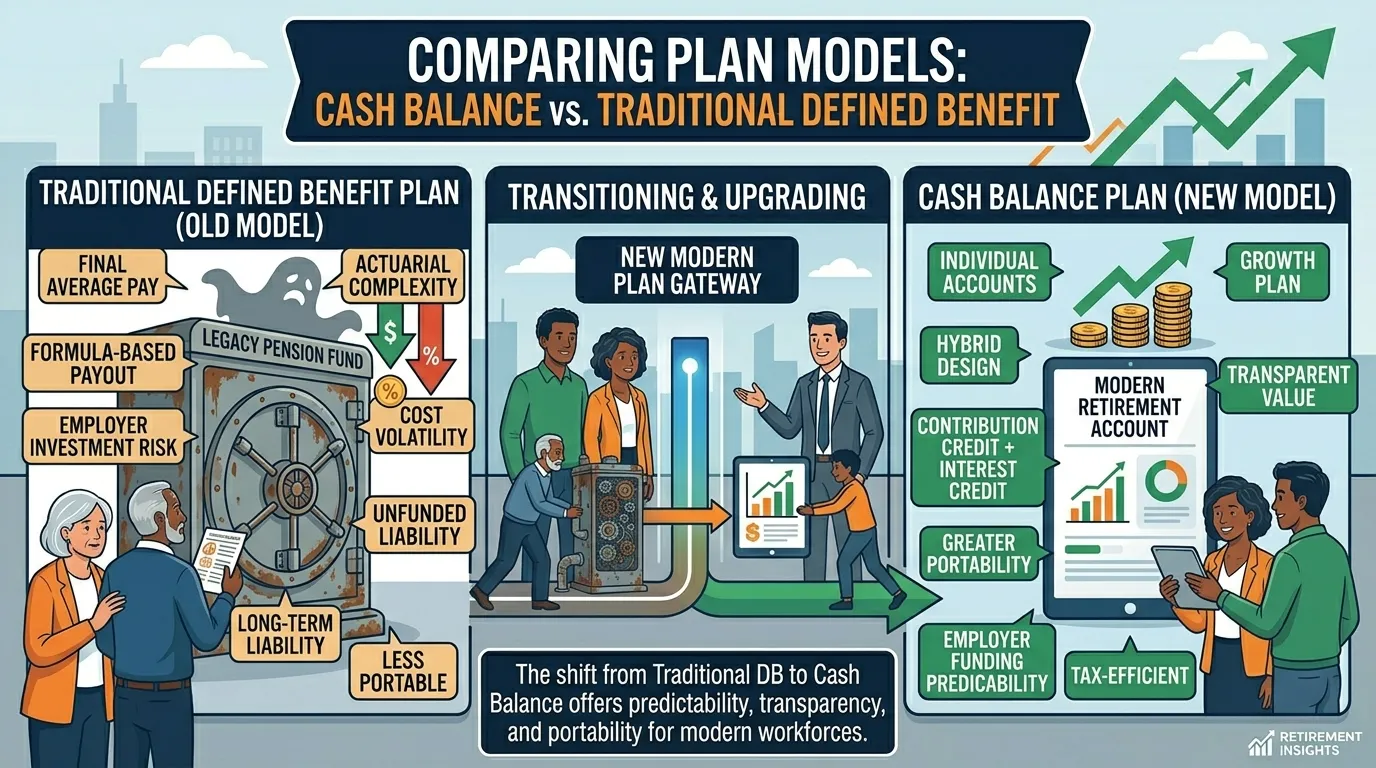
A defined benefit plan works differently. It is designed to provide a retirement benefit based on a formula established by the plan, often involving compensation, age, and service. The employer generally funds the promised benefits, with an actuary calculating the required contributions under applicable rules.
This distinction is central to the Defined Benefit Plan vs Defined Contribution Plan comparison. A defined benefit plan may permit substantially larger deductible contributions for eligible older or higher-income business owners, depending on the benefit formula, compensation, plan terms, and actuarial calculations.
A defined benefit plan is not automatically the better choice. It requires ongoing funding, actuarial oversight, and compliance with applicable pension rules. Business owners should compare the potential contribution capacity against the business's ability to support the plan over time.
3. Tax Planning Becomes More Complex as Income Grows
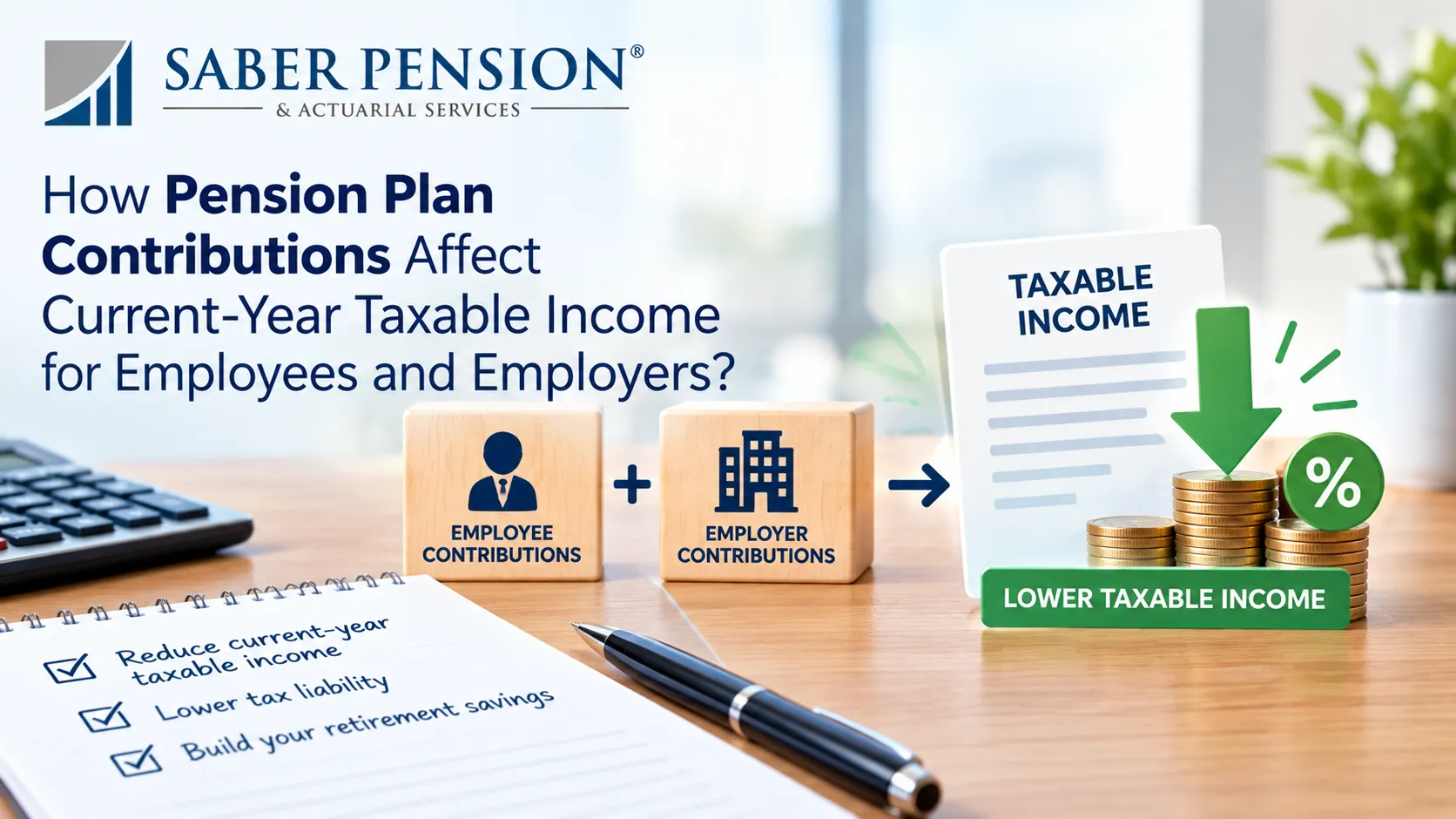
Higher business income may create opportunities to deduct eligible retirement plan contributions, but tax benefits depend on the type of plan, contribution rules, business structure, and the owner's circumstances.
Understanding pension plan taxes involves more than looking at the deduction available in the current year. Business owners should consider how contributions are treated, how investments grow within the plan, and how benefits are taxed when distributed.
For example, contributions to a qualified defined benefit plan are generally subject to applicable deduction and funding rules. Investment earnings inside a qualified plan generally receive tax-deferred treatment. Distributions are typically taxable as ordinary income, although the treatment depends on the type of distribution and the participant's circumstances.
Important questions include:
- How much of the proposed contribution is deductible under applicable rules?
- Does the business have sufficient cash flow to fund the contribution?
- How might future retirement distributions affect taxable income?
- What reporting, filing, and administration costs will the plan create?
- How will the retirement strategy work alongside other tax planning decisions?
A large potential deduction should never be the only reason to establish a pension plan. The contribution must fit a sound retirement funding strategy and comply with the rules governing the plan.
4. Business Profits and Cash Flow Need a More Deliberate Strategy
A retirement plan that works during a period of stable earnings may become less suitable when business profits fluctuate. This is particularly important for self-employed professionals whose income depends on contracts, client demand, seasonal activity, or business performance.
Defined contribution plans may offer flexibility through their contribution structure, subject to plan terms and applicable limits. Defined benefit plans, however, involve funding obligations determined under pension rules and actuarial calculations. Required contributions may vary from year to year, and the business must be prepared to meet its obligations. Business owners should also account for pension plan taxes when assessing the financial impact of contributions and future retirement distributions.
Before establishing or expanding a plan, business owners should assess:
- Whether profits are consistent enough to support the expected contributions?
- How much cash the business needs for payroll, operations, and expansion?
- Whether the owner expects major changes in income or business structure?
- How long the owner intends to continue working?
- Whether the business can maintain the plan through weaker financial years?
A retirement strategy should strengthen the owner's long-term financial position without placing unnecessary pressure on business operations.
5. The Business Owner's Age Changes the Retirement Funding Equation
Time plays an important role in retirement planning. Someone who begins saving in their twenties has several decades for contributions and investment growth to accumulate. A professional who starts building substantial retirement assets later in their career has less time to reach a similar target.
This is one reason a defined benefit plan may deserve consideration for certain high earners approaching retirement. Because contributions are based on actuarial calculations and the benefit promised by the plan, eligible participants may be able to fund retirement benefits at a higher annual level than under a defined contribution arrangement. When evaluating a Defined Benefit Plan vs Defined Contribution Plan, business owners should consider their age, compensation, retirement goals, and the potential tax implications of each option.
However, the permitted benefit and contribution amounts depend on factors such as age, compensation history, plan provisions, existing benefits, and applicable legal limits. An actuary must evaluate the specific circumstances before estimating funding capacity.
Business owners should review their retirement projections regularly instead of relying on a fixed savings target established years earlier.
Conclusion
A standard retirement plan does not necessarily become ineffective as income grows, but it may no longer provide the contribution capacity a high earner needs. Reviewing annual limits, cash flow, retirement timelines, and tax treatment helps business owners identify the right time to consider a different approach.
The decision should rest on more than a potential tax deduction. A well-designed retirement strategy must support long-term benefit goals, comply with pension regulations, and remain financially sustainable for the business. Saber Pension helps business owners evaluate defined benefit plan options and understand their potential retirement funding capacity through actuarial analysis and personalized planning.























Sign in to leave a comment.