When Does Your Car Officially Become Scrap? 7 Signs It’s Time to Let Go


At what point does an old car stop being an old car and become a scrap car?
It’s not always obvious.
A car can be 15 years old and still run perfectly well. Another vehicle can be much newer and already be sitting in a driveway with a dead engine, serious rust and a repair estimate that makes you want to close the garage door and walk away.
There’s no specific age, mileage or date when a car officially becomes scrap. It usually happens when keeping the vehicle on the road no longer makes financial or practical sense.
Sometimes you know immediately. The engine fails. The frame is badly damaged. The repair bill is more than the car is worth.
Other times, it happens slowly. One repair becomes two. Two become five. You stop using the car because you're tired of wondering what will break next.
If your vehicle has started feeling more like a money pit than transportation, these seven signs may tell you it's time to let it go.
1. You’re Spending More on Repairs Than the Car Is Worth
This is usually where the decision starts.
An older car can need repairs without being ready for the scrapyard. Brakes wear out. Batteries die. Tires need replacing. Suspension components eventually give up.
Those repairs are part of owning a car.
The problem is when the repair bills start piling up faster than the car can justify them.
For example, you might have a $3,000 vehicle that needs $2,000 worth of immediate repairs. Then you find out the exhaust needs work, the tires are nearly finished and there is an oil leak that needs attention.
Suddenly, you're looking at several thousand dollars just to get an older vehicle back into decent driving condition.
That doesn't mean you should scrap every car with an expensive repair. A newer vehicle may still be worth fixing.
But if the car is already old, has high mileage and has several other problems, spending thousands to keep it going may not be the best use of your money.
Before approving another repair, look at the vehicle as a whole rather than looking at that one repair in isolation.
2. The Engine Has Failed
An engine problem can change the entire equation.
A vehicle with a bad alternator or worn brake pads can usually be repaired without much debate. A blown engine is different.
Engine replacement can be expensive, especially when labour and other related repairs are included.
Now consider an older car that already has 200,000 or 250,000 kilometres. Maybe the body has rust. Maybe the suspension is worn. Maybe the transmission isn't exactly healthy either.
Putting a new engine into that vehicle could mean spending a substantial amount of money without knowing what problem is coming next.
Sometimes the engine failure isn't really the only problem. It's simply the problem that makes all the other problems impossible to ignore.
If the cost of replacing the engine is close to or greater than the vehicle's realistic value, getting rid of the car may make more sense than rebuilding it.
3. The Transmission Is Failing
Transmission trouble is another major warning sign.
You may notice slipping between gears, delayed engagement, strange noises, difficulty shifting or the vehicle refusing to move properly.
Minor transmission issues can sometimes be repaired. A complete transmission failure is a different story.
If an older vehicle needs a major transmission rebuild or replacement, compare that cost with what the car would actually sell for in its current market.
Don't forget the other expenses either.
If the transmission needs $4,000 worth of work and the vehicle is worth $5,000 when everything is working, that doesn't leave much room for another major repair.
And older cars rarely stop at one problem.
Fixing the transmission doesn't magically make the rust disappear or the suspension new again.
4. Rust Has Started Affecting the Structure
A rusty fender isn't necessarily a reason to scrap a car.
Structural rust is another matter.
Road salt, moisture and years of exposure can take a serious toll on vehicles. Rust can spread underneath the car and affect areas that aren't immediately visible.
If corrosion has reached the frame, suspension mounting areas, brake lines or other important structural components, the vehicle may become expensive or unsafe to repair.
This is also one of those situations where covering the rust doesn't solve the problem.
A little paint can make a rusty panel look better for a while. It doesn't repair metal that has already deteriorated underneath.
If a vehicle requires extensive welding and structural work just to remain roadworthy, it's worth finding out what the car is actually worth before spending the money.
For some older vehicles, the repair bill simply doesn't match the value of the car.
5. It Has Been Sitting for Months or Years
Some cars don't officially get retired.
They just get parked.
You tell yourself you'll fix it when you have time. Then work gets busy. Winter arrives. Spring arrives. Another year goes by.
Eventually, the car has been sitting so long that you're not even sure when you last started it.
Leaving a vehicle unused for long periods can create additional problems. The battery can die, tires can deteriorate, brakes can develop corrosion and mechanical components can suffer from lack of use.
Then there is the space it takes up.
A non-running car sitting in your driveway isn't doing anything useful. It's taking up room while potentially becoming harder and more expensive to deal with.
If you've been saying “I'll fix it” for two years, it's probably worth asking yourself whether you actually intend to fix it.
The answer may tell you more about the car's future than its odometer does.
6. Nobody Wants to Buy It in Its Current Condition
Selling an old car privately can make sense when the vehicle is still reasonably usable.
It becomes much harder when the car doesn't run, has major damage or needs several expensive repairs.
Most buyers looking for a used car want something they can drive home. They don't want to arrange a tow, replace an engine or spend weekends trying to diagnose electrical problems.
You can still advertise a badly damaged or non-running vehicle, but you may spend weeks answering the same questions:
Does it run?
What's wrong with it?
How much will it cost to fix?
Can I take it for a test drive?
And eventually, someone may offer you far less than you expected.
A vehicle that has little appeal to a private buyer can still have value as a scrap vehicle because of its metal, components and other recyclable materials.
That is why comparing a private-sale price with a scrap offer can be useful before deciding what to do.
7. You’re Paying to Keep a Car You Barely Use
This one is easy to overlook.
People often think about the cost of repairing an old car but forget about the money they spend simply keeping it.
There may be insurance, parking, registration, storage, maintenance and occasional repairs.
If the vehicle spends most of its time parked and you're still paying to keep it around, ask whether you're getting anything useful from it.
A car that you drive every day and depend on is one thing.
A car that has been sitting behind the house for a year while you keep paying for it is another.
At some point, getting rid of the vehicle can be more practical than continuing to carry the expense.
Does an Old Car Automatically Become Scrap?
No.
Age by itself doesn't determine whether a vehicle should be scrapped.
There are plenty of older cars on Canadian roads that are still reliable and worth maintaining. Mileage also isn't the only factor. A well-maintained high-mileage vehicle can sometimes be a better choice than a poorly maintained low-mileage one.
What matters is the combination of condition and cost.
Look at the repairs the car needs now.
Then consider what else is likely to need attention soon.
If you're looking at a long list of repairs on a vehicle with little resale value, that's when scrapping starts to become a realistic option.
A Scrap Car Can Still Have Value
One reason people hesitate to scrap an old vehicle is the assumption that it's worthless.
That's not necessarily true.
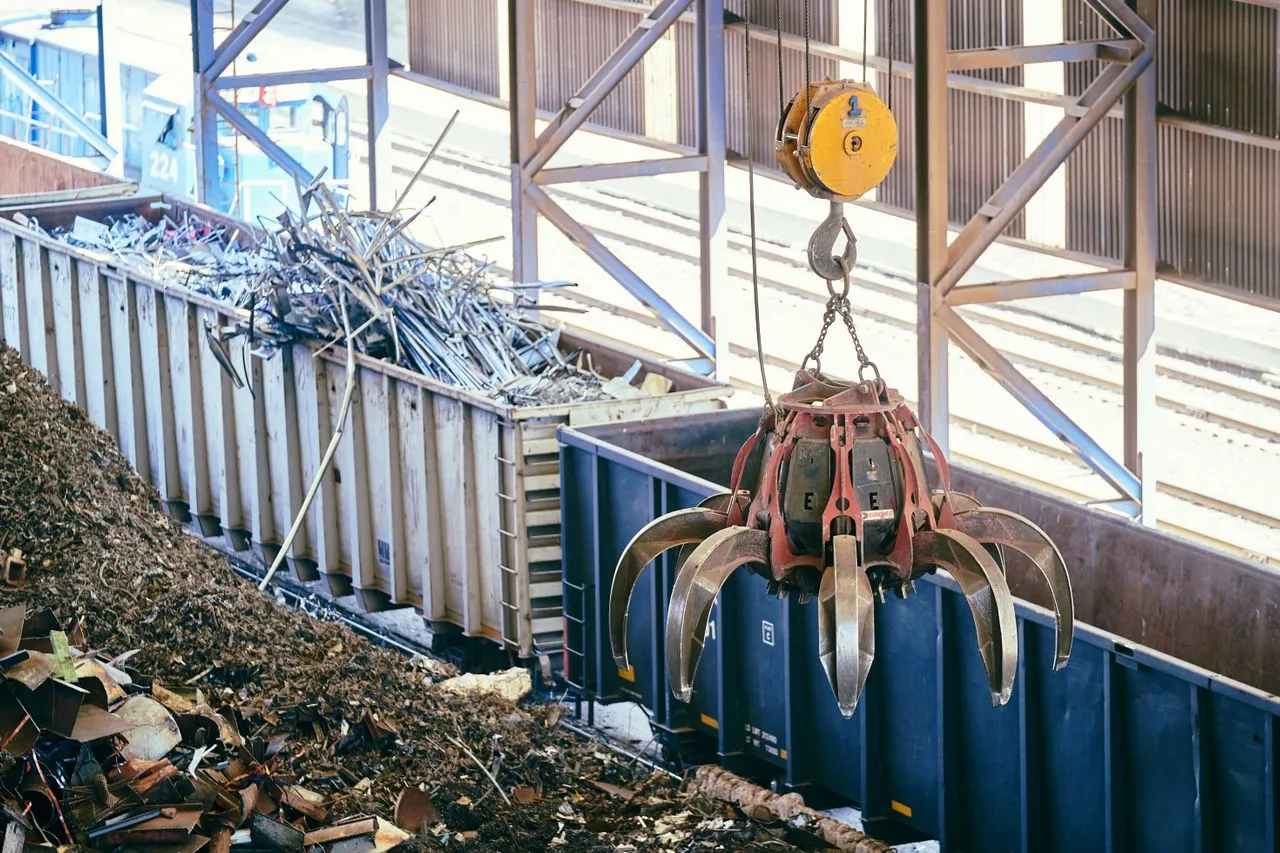
Even when a vehicle is no longer suitable for regular driving, it contains materials that can be recovered and recycled. Steel and aluminum can be processed, while certain components may have value depending on their condition.
The vehicle doesn't have to be beautiful.
It doesn't even have to run.
What matters is what is actually there and the condition of the vehicle.
If you've decided that repairs no longer make sense and you're looking for a straightforward way to clear the vehicle from your property, Scrap Car Buyer Mississauga provides scrap car removal for unwanted, damaged and end-of-life vehicles in the Mississauga area.
The Simple Question to Ask Yourself
Still unsure?
Forget how much you paid for the car.
Forget how long you've owned it.
Forget that you've already spent money fixing it.
Ask yourself one question:
If I didn't already own this car, would I buy it today in its current condition?
If the answer is no, look at why.
Maybe it needs an engine.
Maybe the body is badly rusted.
Maybe you've already spent more on repairs this year than the car is worth.
Maybe it hasn't moved from the driveway since before you can remember.
Those are good reasons to consider your alternatives.
Scrapping a vehicle isn't necessarily about giving up on an old car. Sometimes it's simply recognizing that the cost of keeping it alive has passed the point where it makes sense.
Your car may have had a good run.
It may have taken you to work, survived a few Canadian winters and carried more groceries than the trunk was ever designed to hold.
But if every trip to the mechanic now starts with a deep breath and ends with another expensive repair, it might be time to call it.
Some cars leave the road with a little dignity.
Others leave after one final dashboard warning light.
Either way, there comes a point when letting go is cheaper, easier and far less stressful than trying to keep an old vehicle going forever.




Sign in to leave a comment.