When Is It Time to Bring in Outside Help for Your PPC? A Practical Guide


Paid search looks simple from the outside. You pick keywords, set a budget, write a few ads, and traffic arrives. Then reality sets in. Costs per click climb, conversions flatten, and the monthly ad spend starts to feel like a leak rather than an investment.
At that point, many businesses ask whether they should keep managing campaigns in-house or hand them to specialists. This guide covers the signs that it’s time to get help, what to look for in a partner, and the questions that separate good agencies from average ones.
5 Signs Your PPC Needs Professional Attention
1. Your cost per acquisition keeps rising with no clear reason.
Some increase is normal as competition grows. But if your CPA has crept up for several months while your offer, pricing, and website haven’t changed, the problem is usually in the account: poor match type structure, bloated keyword lists, or weak audience signals.
2. You can’t explain where your budget is going.
If you can’t say which campaigns, keywords, or placements produce revenue and which only produce clicks, you’re optimizing blind. A good setup ties spend to outcomes at every level.
3. Your search term report is full of irrelevant queries.
Negative keyword management is one of the most overlooked parts of PPC. Without regular pruning, a meaningful share of your budget can go to searches that never had a chance of converting.
4. You’re stuck on one platform.
Many advertisers run Google Ads only because it’s the one they know. Meanwhile, Microsoft Advertising, YouTube, Performance Max, or paid social might reach buyers at a lower cost. Specialists can test these channels without you losing months to the learning curve.
5. Nobody has time to manage it properly.
PPC rewards consistency. Bid adjustments, ad testing, audience refinement, and landing page feedback all need regular attention. If campaigns are checked once a month between other tasks, performance will usually reflect that.
In-House vs. Agency: An Honest Comparison
Neither option is always better. It depends on your budget, complexity, and goals.
In-house works well when you have a dedicated, experienced PPC manager, a stable product line, and enough ad spend to justify a full-time salary and tools.
An agency works well when you need a full range of skills (strategy, copywriting, tracking setup, analytics, creative testing) without hiring several people. Agencies also manage many accounts at once, so they see patterns and platform changes sooner than a single in-house marketer usually can.
If you’re leaning toward outside support, it helps to know what a professional engagement covers. When you hire ppc marketing services agency support, you should expect more than basic campaign setup: ongoing optimization, transparent reporting, conversion tracking, and strategy tied to your revenue goals rather than vanity metrics.
What to Look for in a PPC Partner
Transparency over mystery. You should have full access to your own ad accounts and see exactly where your money goes. Be wary of any provider that keeps accounts under their own ownership or buries results in jargon.
Reporting that tracks business results. Impressions and clicks are useful diagnostics, but they aren’t outcomes. Ask how the agency reports on leads, sales, revenue, and return on ad spend.
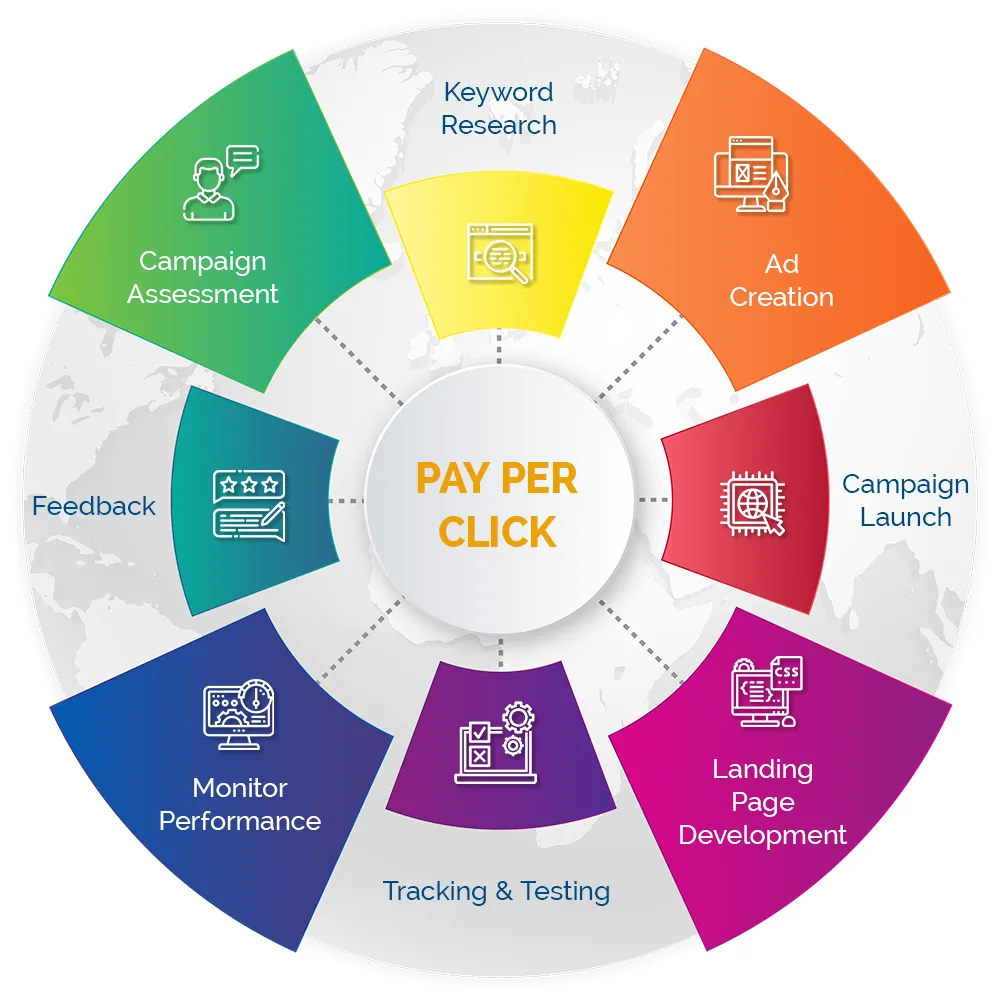
A clear process for the first 90 days. A strong agency can explain how it will audit your account, fix tracking, restructure campaigns, and run tests. Vague promises of “optimization” aren’t a plan.
Relevant experience. Experience in your industry helps, but experience with your type of business model matters more. Lead generation, e-commerce, and local services all need different approaches.
Honest expectations. Be cautious of guaranteed rankings, guaranteed ROAS, or promises of instant results. PPC involves testing, and any credible partner will say so.
Questions to Ask Before You Sign
- Who will actually work on my account day to day?
- How do you structure campaigns and decide where to allocate budget?
- What does your reporting look like, and how often will we talk?
- How do you handle conversion tracking and attribution?
- What are the contract terms, and what happens if we part ways?
- Will I retain full ownership of my accounts and data?
The answers matter, but so does how clearly they’re given. An agency that explains its thinking in plain language is usually one that understands it well.
Setting Up the Relationship for Success
Even the best agency can only work with what you provide. To get the most from the partnership:
- Share your real numbers. Margins, average order value, and lead-to-sale rates let the agency set realistic targets.
- Define success early. Agree on the metrics that matter, whether that’s cost per lead, revenue, or new customer acquisition.
- Keep your website in good shape. Fast, clear landing pages convert clicks into customers. Even great ads can’t rescue a confusing page.
- Give it time. Most accounts need a few weeks of data before meaningful optimization can begin, and a few months to show a real trend.
The Bottom Line
PPC is one of the fastest ways to reach people who are already searching for what you sell, but it’s also one of the easiest ways to waste money without realizing it. If your results have stalled, your reporting feels murky, or your team is stretched thin, bringing in specialists can be a smart move.
Treat the decision like any other investment: define your goals, ask direct questions, and choose a partner who values transparency as much as performance.
A few tips for placing this post:
- Author bio: Most sites let you add a short bio. Keep it brief, and if the site allows, put a second link to your homepage there rather than repeating the keyword anchor.
- Anchor text: The link above uses your exact keyword once. Some editors will swap it for a branded or partial-match anchor, which is fine and looks more natural to search engines.
- Customization: Every host site has its own audience and style guide. I can tailor the post to a specific site, adjust the word count, or write alternate versions with different angles (for example, “PPC mistakes that waste ad budget” or “How to audit your Google Ads account”), so you don’t submit the same article in multiple places.





Sign in to leave a comment.