
Trenchless sewer repair isn't the right solution when a pipe has severely collapsed, when the original pipe slope was installed incorrectly, or when a section of line has shifted significantly out of alignment, since these structural problems typically require traditional excavation to correct properly. If you're dealing with a damaged sewer line, understanding these trenchless sewer repair limitations before scheduling sewer repair in Beverly Hills helps set realistic expectations for what your specific situation actually needs.

What Is Trenchless Sewer Repair, and Why Is It So Popular?
Trenchless sewer repair fixes underground pipes with minimal disruption to a property. Instead of digging a long trench across a yard, a plumber creates one or two small access points, then uses specialized equipment to either line the existing pipe or replace it entirely without removing large sections of soil. Two common trenchless sewer repair methods, pipe lining and pipe bursting, dramatically reduce the need for the kind of digging that used to be standard for every sewer repair job.
Why Doesn't Trenchless Work for Every Sewer Problem?
Trenchless methods repair or reinforce a pipe that's still structurally capable of holding a new liner or accepting a burst-and-pull process. When a pipe's condition goes beyond that, severely collapsed, badly misaligned, or installed with the wrong slope from the start, there's often no functional structure left for a trenchless method to work with. In these situations, traditional excavation becomes the more reliable sewer repair option, even though it's more disruptive to install.
When Trenchless Sewer Repair Is Not Suitable
A Severely Collapsed Pipe
If a section of sewer line has fully collapsed rather than just cracked, there isn't enough intact pipe structure remaining to support a liner or guide a bursting head through. A collapsed section typically needs to be excavated and replaced directly, since trenchless methods depend on having at least a partially intact pipe to work within.
Improper Pipe Slope
Sewer lines rely on gravity to move wastewater, which means they need a precise, consistent downward slope to function correctly. If the original installation got the slope wrong, water and waste pool instead of flowing properly, and this is a structural design issue that trenchless lining can't correct. Fixing the slope itself generally requires digging up and resetting the pipe at the correct angle.
Pipes That Have Shifted Significantly Out of Alignment
Ground movement, tree root pressure, or soil settling can shift sections of pipe enough that they no longer connect properly. When misalignment is severe, a liner or replacement pipe can't be threaded through cleanly, and attempting a trenchless approach on a badly misaligned line risks an incomplete or ineffective repair.
What Other Situations Might Limit Trenchless Options?
How Does Pipe Material Affect the Decision?
While trenchless methods work with many common pipe materials, extremely deteriorated cast iron or clay pipes with extensive fragmentation may not hold together well enough during the process to achieve a reliable result. A camera inspection typically reveals whether the existing pipe has enough structural integrity for this to work.
Does Pipe Diameter or Length Matter?
In some cases, unusually short or narrow access points can make it difficult to maneuver trenchless equipment effectively. While this is less common than the structural issues above, it's still something a plumber evaluates during the initial inspection before recommending a method.
How Do Plumbers Determine Which Repair Method Fits Your Situation?
A camera inspection is typically the first step in figuring out whether trenchless sewer repair is realistic for a specific problem. This inspection shows the exact condition of the pipe, whether it's a manageable crack, root intrusion in an otherwise intact line, or a level of structural damage that calls for traditional digging instead. To learn more about how these two approaches compare, this guide on trenchless options for sewer line problems walks through when digging is avoidable and what alternatives typically exist.
Does This Mean Digging Is Always the Worse Option?
Not necessarily. While trenchless sewer repair offers real advantages, faster completion, less landscape disruption, and often lower overall restoration costs, traditional excavation remains the more appropriate choice when the pipe's condition genuinely calls for it. Weighing your sewer repair options honestly, rather than assuming trenchless is always preferable, is what actually protects your investment. Choosing the wrong sewer line repair method for a severely damaged pipe can mean paying for a fix that doesn't hold, which ultimately costs more than doing the excavation correctly the first time.
Comparing Your Sewer Repair Options Side by Side
Every property owner dealing with a damaged line benefits from understanding both sides clearly. Trenchless repair wins on speed and landscape preservation when the pipe's condition allows for it. Traditional excavation wins on reliability when the underlying structure is too compromised for a liner or burst-and-pull process to succeed. Neither option is universally better, the right choice depends entirely on what the camera inspection reveals about your specific pipe.
What Should You Expect During the Evaluation Process?
A plumber will typically run a camera through the line to assess the pipe's actual condition before recommending anything. This step matters because trying to force a trenchless solution onto a pipe that needs excavation usually results in a repair that fails prematurely, leaving you back where you started, just with less money and more frustration.
Key Takeaways
- Trenchless sewer repair depends on the existing pipe having enough intact structure to support a liner or bursting process
- Severely collapsed pipes, incorrect original slope, and significant misalignment are the most common reasons trenchless methods aren't suitable
- Extremely deteriorated pipe materials can also limit trenchless options in some cases
- A camera inspection is the most reliable way to determine which sewer repair method actually fits your situation
- Choosing traditional excavation when it's genuinely needed prevents paying for a repair that doesn't hold
- Trenchless still offers real advantages for many situations, but it isn't a universal fix for every sewer problem
Conclusion
Trenchless sewer repair has changed what homeowners can expect from a damaged sewer line, but it isn't the right answer for every situation. Severely collapsed pipes, incorrect slope, and significant misalignment are structural problems that generally call for traditional excavation instead, and forcing a trenchless approach onto these situations tends to lead to a repair that doesn't last. A proper camera inspection is what actually determines the right path forward, rather than assuming one method works for every type of damage.
Not Sure Which Sewer Repair Method Your Home Needs?
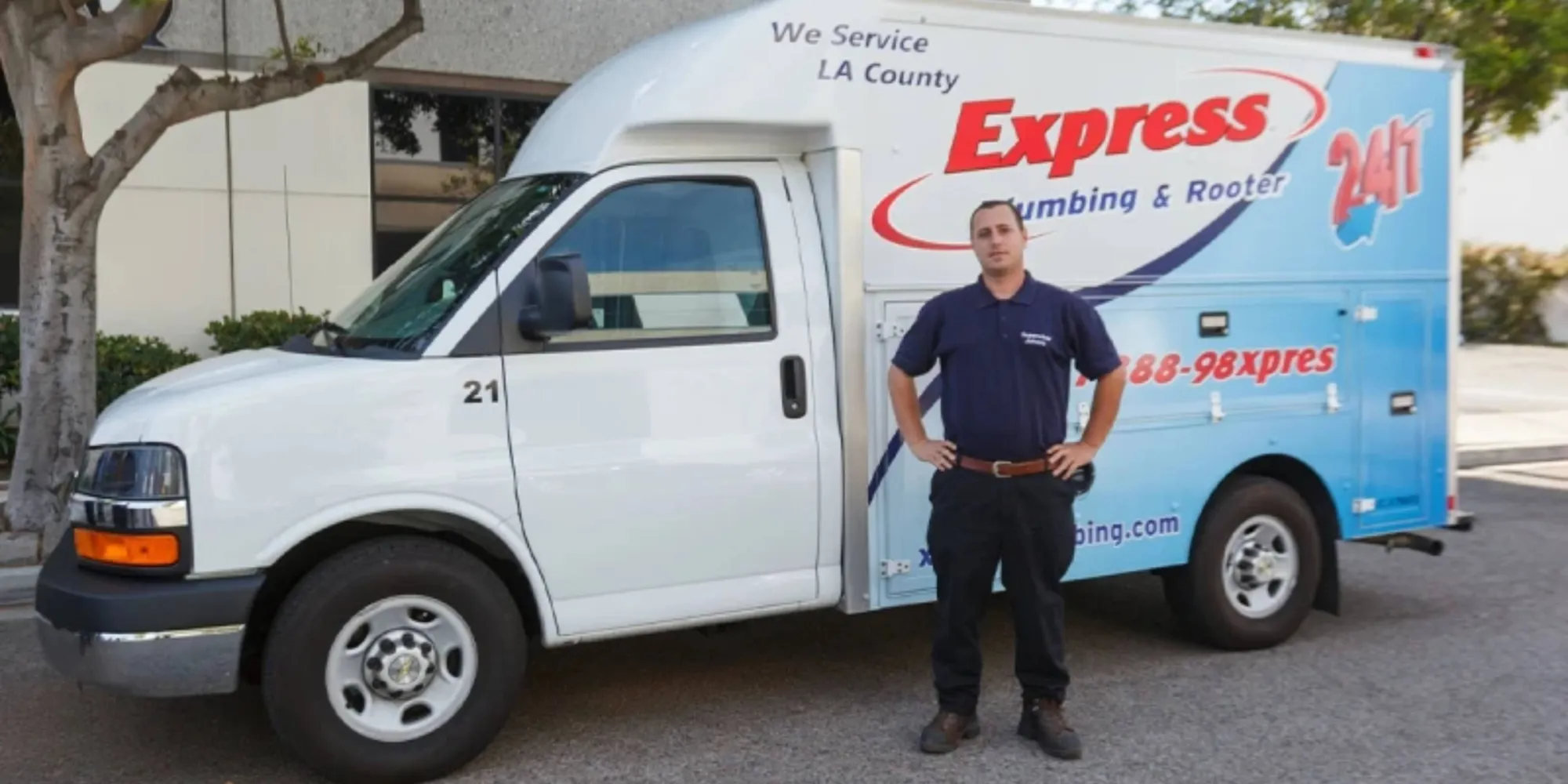
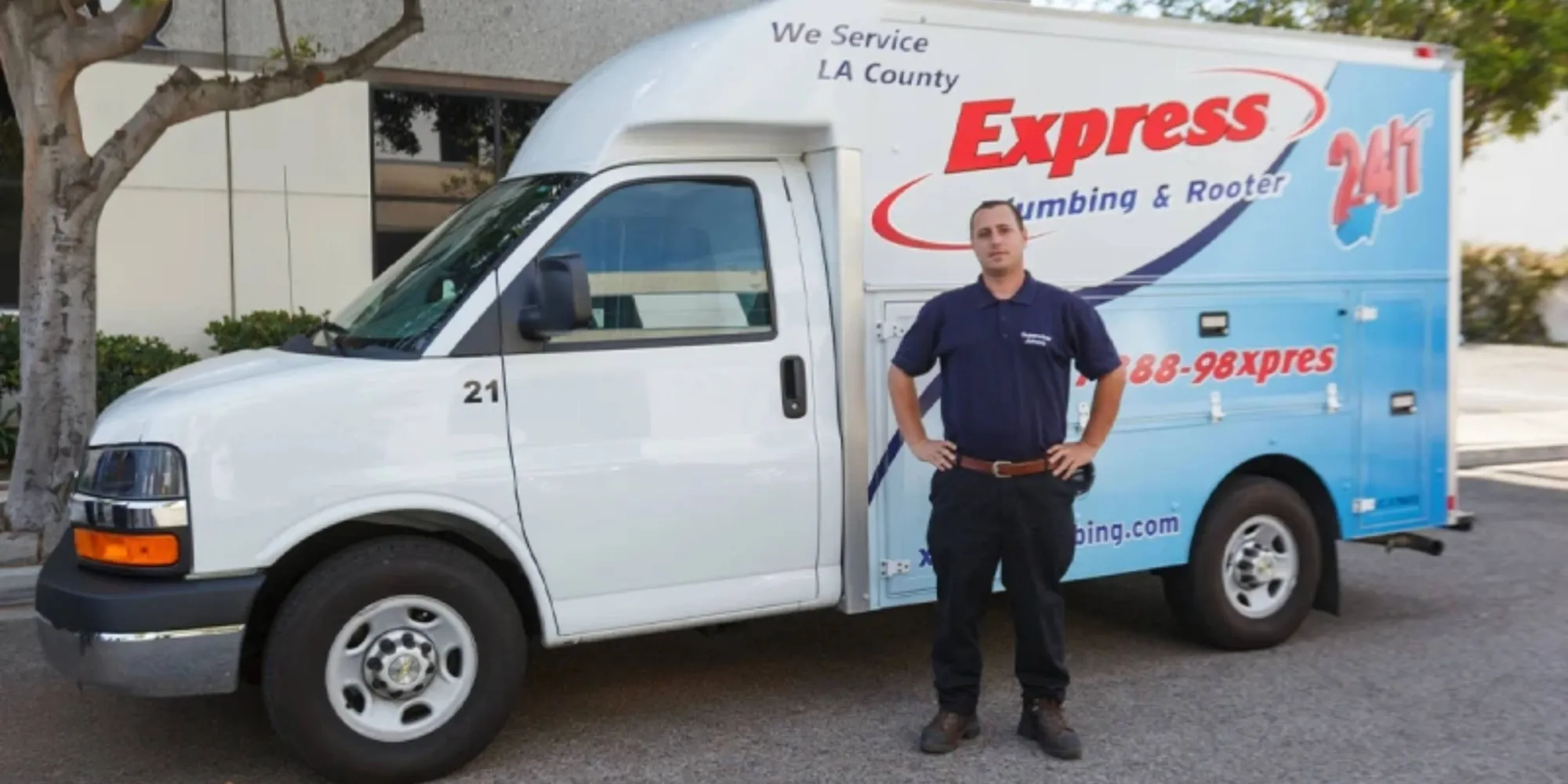
If you're dealing with a damaged sewer line and want an honest assessment of your options, don't guess based on what worked for a neighbor's situation. Express Plumbing and Rooter evaluates each sewer line individually with a camera inspection before recommending trenchless repair, traditional excavation, or another approach that fits your specific pipe condition. Contact Express Plumbing and Rooter today to schedule an inspection or request a quote for your sewer repair.
Frequently Asked Questions
How do I know if my sewer line needs traditional excavation instead of trenchless repair? A camera inspection is the most reliable way to find out, since it reveals whether the pipe has a collapsed section, incorrect slope, or significant misalignment that trenchless methods can't correct.
Is trenchless sewer repair more expensive than traditional digging?
It depends on the situation, but trenchless methods often reduce overall costs by avoiding extensive landscape restoration, even though the per-foot repair cost can sometimes be comparable.
Can a plumber tell which method I need without a camera inspection?
Not reliably. Since the right method depends on the pipe's actual internal condition, a camera inspection is generally necessary before recommending a specific repair approach.
What happens if trenchless repair is attempted on a pipe that needed excavation instead?
The repair is more likely to fail prematurely, since the underlying structural issue, like a collapsed section or misalignment, was never actually corrected.
Does an older sewer line automatically mean I'll need excavation instead of trenchless repair?
Not necessarily. Many older pipes are still good candidates for trenchless methods as long as they haven't collapsed or shifted significantly, which is exactly what a camera inspection helps determine.























Sign in to leave a comment.