
Your heart works continuously to keep blood flowing throughout your body, but many heart problems can develop without obvious warning signs. Regular medical evaluations can help identify potential concerns before they become more serious. One of the most common tests used to evaluate heart activity is an electrocardiogram test, also known as an ECG or EKG.
An electrocardiogram records the electrical activity of the heart and can help healthcare professionals understand how fast the heart is beating, whether the rhythm is regular, and whether there are certain patterns that may indicate a heart problem. The test is quick, noninvasive, and generally painless.
But when should you actually consider having one? Does everyone need an ECG? What symptoms may make an ECG appropriate? Understanding when this test may be recommended can help you make more informed decisions about your heart health.
What Is an Electrocardiogram Test?
An electrocardiogram test is a diagnostic test that records the electrical signals produced by your heart. Every heartbeat is controlled by electrical impulses that coordinate the contraction and relaxation of the heart muscle.
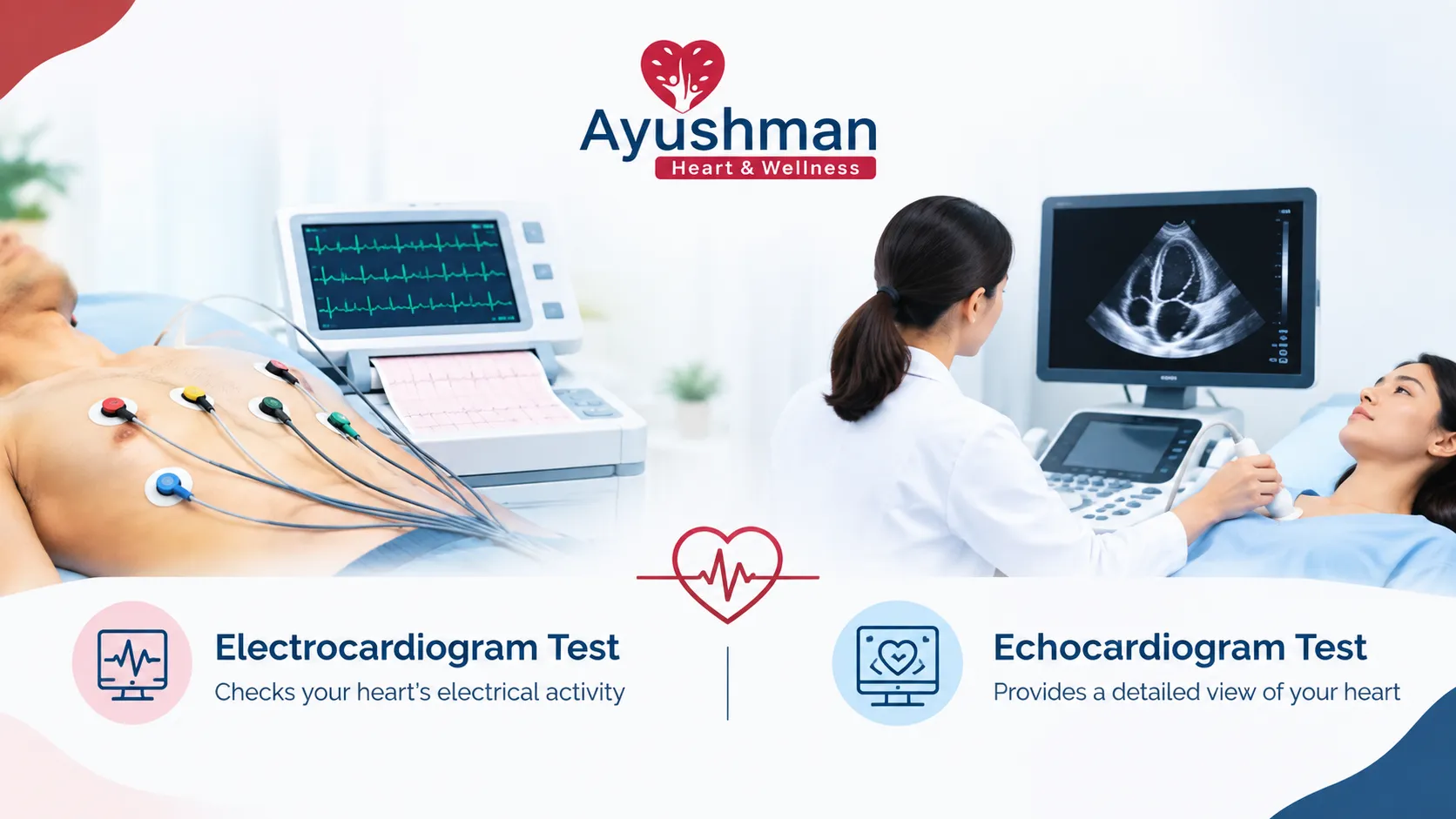
During an ECG, small adhesive sensors called electrodes are placed on specific areas of your chest, arms, and legs. These electrodes detect the heart's electrical signals and transmit them to an ECG machine. The machine creates a visual recording of those signals as waves and lines.
An ECG does not send electricity into your body. Instead, it simply measures the electrical activity that your heart naturally produces.
Because it is fast and noninvasive, an ECG is commonly used in primary care offices, cardiology clinics, hospitals, and emergency departments.
When Should You Consider an Electrocardiogram Test?
There is no single age or situation in which everyone needs an ECG. The decision depends on your symptoms, medical history, risk factors, and healthcare provider's assessment.
An electrocardiogram test may be considered when you experience certain symptoms or when your doctor wants to investigate a possible heart-related concern.
1. When You Experience Chest Pain
Chest pain or pressure is one of the most important reasons a healthcare professional may recommend an ECG.
Chest discomfort can have many possible causes, including conditions unrelated to the heart. However, certain types of chest pain can be associated with reduced blood flow to the heart or a heart attack.
An ECG can provide important information about the heart's electrical activity and may help healthcare professionals determine whether further emergency evaluation is needed.
If chest pain is severe, sudden, persistent, or accompanied by symptoms such as shortness of breath, sweating, nausea, or pain spreading to the arm, jaw, back, or shoulder, seek emergency medical attention immediately.
2. When You Notice an Irregular Heartbeat
An irregular heartbeat may feel like:
- Fluttering in the chest
- A racing heartbeat
- A pounding sensation
- Skipped beats
- A heartbeat that feels unusually slow
- A sensation that the heart is beating unevenly
These sensations are sometimes called palpitations.
An electrocardiogram test can help identify certain abnormal heart rhythms, known as arrhythmias. It records the electrical pattern of your heartbeat, allowing a healthcare professional to look for rhythm abnormalities.
However, some irregular rhythms happen only occasionally. If the abnormal rhythm does not occur during a short ECG, your doctor may recommend longer-term heart monitoring.
3. When You Experience Unexplained Shortness of Breath
Shortness of breath can result from many different conditions, including respiratory problems, physical exertion, anxiety, anemia, and cardiovascular conditions.
If you experience unexplained or recurring shortness of breath, particularly during physical activity or along with chest discomfort or dizziness, your healthcare provider may consider an ECG as part of your evaluation.
The test may help determine whether there are electrical or rhythm-related changes that could contribute to your symptoms.
4. When You Experience Dizziness or Fainting
Dizziness, lightheadedness, or fainting can sometimes be related to an abnormal heart rhythm.
If the heart beats too quickly, too slowly, or irregularly, it may temporarily affect the amount of blood reaching the brain. An ECG can help identify some rhythm-related causes.
Not every episode of dizziness or fainting is caused by a heart problem, but unexplained or recurring episodes deserve medical attention.
5. Before Certain Medical Procedures
An ECG may sometimes be performed before surgery or another medical procedure, particularly when a healthcare professional believes an evaluation of heart function is appropriate.
Whether pre-procedure ECG testing is needed depends on factors such as the type of procedure, your age, existing medical conditions, symptoms, and overall cardiovascular risk.
Your healthcare provider can determine whether an ECG is appropriate before a planned procedure.
6. If You Have a History of Heart Disease
People who have previously been diagnosed with certain cardiovascular conditions may undergo ECG testing as part of ongoing monitoring.
Depending on the condition, an ECG may help healthcare professionals track changes in heart rhythm or electrical activity over time.
The frequency of testing varies from person to person. Some people may need occasional testing, while others may require additional forms of cardiac monitoring.
7. If You Have Risk Factors for Cardiovascular Disease
Certain factors can increase the likelihood of developing heart disease. These may include:
- High blood pressure
- High cholesterol
- Diabetes
- Smoking
- Obesity
- Physical inactivity
- A family history of certain heart conditions
- Increasing age
Having a risk factor does not necessarily mean that you need an ECG. Instead, your healthcare provider can evaluate your overall risk and determine whether testing would be useful.
A broader approach to heart health may include blood pressure measurements, cholesterol testing, blood glucose evaluation, lifestyle assessment, and other tests when appropriate.
8. When Your Doctor Detects an Unusual Heart Sound
During a physical examination, a healthcare professional may listen to your heart with a stethoscope. If an unusual sound or rhythm is detected, additional testing may be recommended.
An ECG can provide information about the heart's electrical activity and rhythm. Depending on what is found, your doctor may also recommend imaging tests to evaluate the heart's structure and function.
What Can an Electrocardiogram Test Detect?
An ECG provides information about the electrical activity of the heart. It may help healthcare professionals identify or evaluate:
- Abnormal heart rhythms
- Heart rate that is unusually fast or slow
- Certain electrical conduction problems
- Some patterns associated with previous heart damage
- Certain changes that may occur during or after a heart attack
- Electrical patterns that may require further investigation
It is important to understand that an ECG cannot detect every heart condition. A normal ECG also does not guarantee that every aspect of your cardiovascular health is normal.
Doctors interpret ECG findings together with symptoms, medical history, physical examination, and other diagnostic information.
How Does an Electrocardiogram Test Work?
A standard resting ECG is relatively simple.
First, you may be asked to lie down and relax. The healthcare professional places electrodes on specific areas of your skin. These electrodes are connected to the ECG machine through wires.
You will generally be asked to remain still and breathe normally while the machine records your heart's electrical activity.
The actual recording typically takes only a few minutes.
Afterward, the electrodes are removed and you can generally return to your normal activities unless another test or procedure is scheduled.
Is an Electrocardiogram Test Safe?
For most people, an electrocardiogram test is considered safe and noninvasive.
The electrodes only detect electrical signals produced by your heart. They do not send electrical currents into your body.
Some people may experience minor skin irritation or discomfort when adhesive electrodes are removed. People with significant chest hair may also experience mild discomfort when electrodes are taken off.
Overall, the test is generally quick and well tolerated.
ECG vs. Echocardiogram: Are They the Same?
No. An ECG and an echocardiogram test are different types of heart examinations.
An ECG focuses primarily on the electrical activity and rhythm of the heart.
An echocardiogram uses ultrasound waves to create moving images of the heart. It can help healthcare professionals evaluate:
- Heart chamber size
- Heart muscle movement
- Heart valve function
- Blood flow
- Pumping ability
- Certain structural abnormalities
These tests can complement each other.
For example, if an ECG identifies an unusual electrical pattern, a healthcare professional may recommend an echocardiogram to look more closely at the heart's structure and function.
The appropriate test depends on your symptoms and the clinical question your doctor is trying to answer.
What Should You Do Before an ECG?
Most standard ECGs do not require complicated preparation.
You can make the process easier by:
- Wearing comfortable clothing.
- Avoiding excessive lotions or oils on the areas where electrodes will be placed.
- Informing your healthcare professional about medications you take.
- Following any instructions provided before the appointment.
- Remaining relaxed during the recording.
If you are undergoing an ECG as part of another procedure or a specialized cardiac evaluation, you may receive additional instructions.
How Often Should You Have an ECG?
There is no universal schedule for ECG testing.
Some people may need an ECG because of specific symptoms, while others may require testing to monitor a known heart condition. In certain circumstances, an ECG may also be included in a broader medical evaluation.
Whether you need repeat testing depends on your health history, symptoms, previous test results, risk factors, and your healthcare professional's recommendations.
Routine ECG testing is not automatically necessary for every healthy person. A healthcare professional can help determine whether the potential benefits of testing apply to your situation.
What Happens if Your ECG Result Is Abnormal?
An abnormal ECG does not necessarily mean you have a serious heart condition.
ECG results can be influenced by several factors, including body position, movement, electrode placement, medications, and normal variations in heart activity.
If an ECG shows an unusual pattern, your healthcare professional may review your symptoms and medical history and decide whether additional testing is needed.
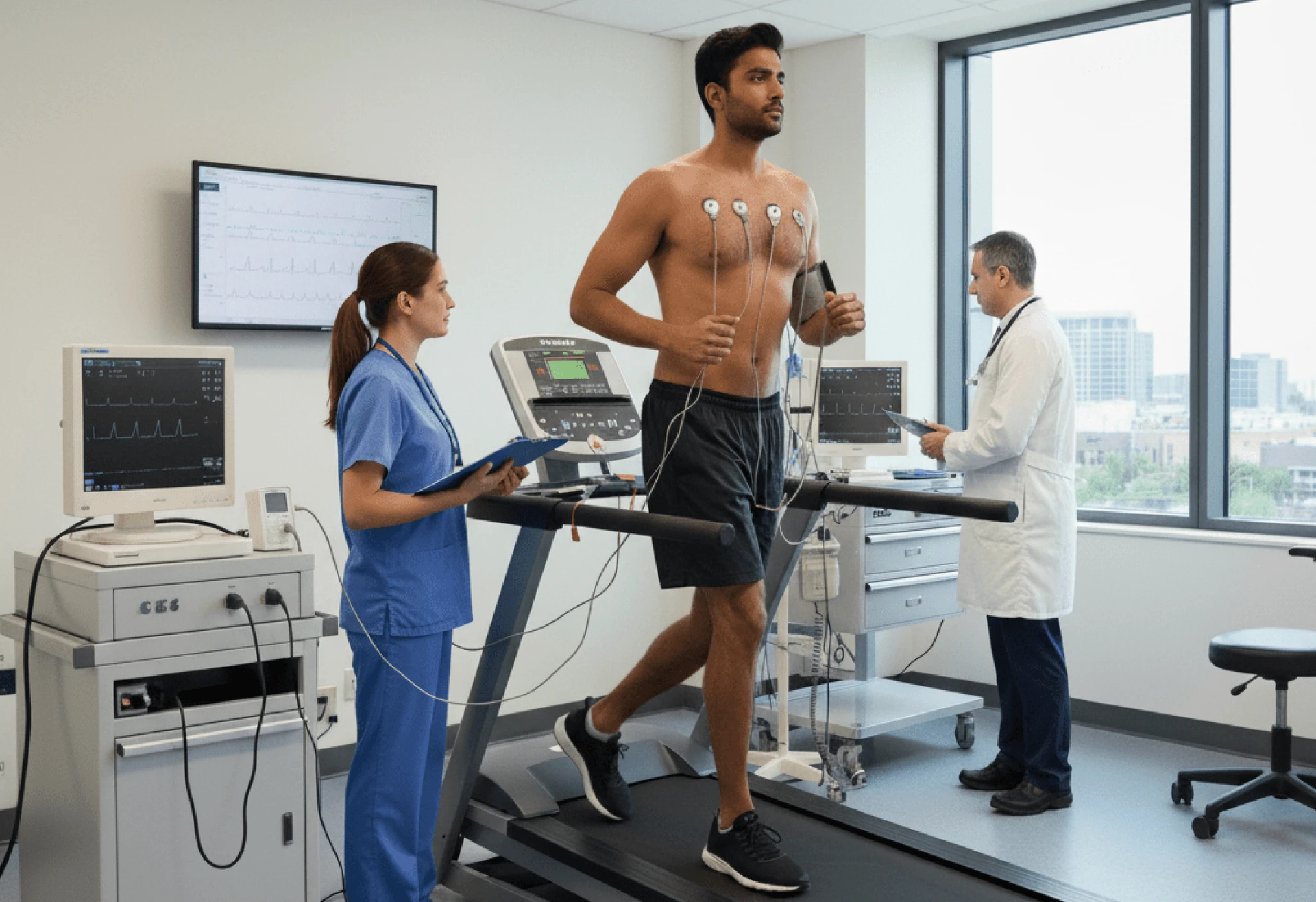
Depending on the findings, further evaluation could involve an echocardiogram test, blood tests, stress testing, ambulatory heart monitoring, or other cardiac examinations.
The important point is that an ECG result should not be interpreted in isolation.
Can You Have a Heart Problem With a Normal ECG?
Yes. A normal ECG does not rule out every possible heart condition.
Some cardiovascular problems may not produce noticeable electrical changes on a standard resting ECG. Certain symptoms may also occur intermittently, meaning they may not be present during the few minutes when the ECG is recorded.
For this reason, healthcare professionals consider the complete clinical picture rather than relying on a single test.
If symptoms continue despite a normal ECG, your doctor may recommend additional evaluation.
When Should You Seek Emergency Care?
Some heart-related symptoms require immediate medical attention.
Seek emergency care if you experience symptoms such as:
- Severe or persistent chest pain or pressure
- Significant difficulty breathing
- Fainting or loss of consciousness
- Sudden severe weakness
- Chest discomfort accompanied by sweating or nausea
- Pain spreading to the arm, jaw, back, or shoulder
- A sudden, severe, or persistent abnormal heartbeat
Do not delay emergency care while trying to arrange a routine ECG appointment. In an emergency, professional medical evaluation should take priority.
Frequently Asked Questions
What is the main purpose of an electrocardiogram test?
The main purpose is to record the heart's electrical activity. It can help healthcare professionals evaluate heart rate, rhythm, and certain electrical patterns that may indicate a cardiovascular problem.
How long does an ECG take?
A standard resting ECG recording usually takes only a few minutes. The total appointment time can vary depending on preparation and whether other examinations are performed.
Is an ECG painful?
An ECG is generally painless. Small adhesive electrodes are placed on the skin to record the heart's electrical signals.
Can an ECG detect a heart attack?
An ECG can show electrical patterns that may indicate an ongoing or previous heart attack. However, doctors may use additional tests and clinical information to make a diagnosis.
Should healthy people get an ECG?
Not everyone needs routine ECG testing. The decision depends on symptoms, health history, risk factors, and a healthcare professional's assessment.
What is better: an ECG or an echocardiogram?
Neither test is universally better because they evaluate different aspects of heart health. An ECG examines electrical activity and rhythm, while an echocardiogram evaluates the heart's structure and function.
Who can help determine whether I need an ECG?
A qualified healthcare professional can review your symptoms, medical history, and risk factors and determine whether an ECG or another cardiac test is appropriate.
Key Takeaways
An electrocardiogram test is a simple and widely used tool for evaluating the heart's electrical activity. You may be advised to have one if you experience chest discomfort, palpitations, dizziness, fainting, shortness of breath, or other symptoms that could be related to your heart.
An ECG may also be useful for monitoring certain existing heart conditions or evaluating cardiovascular health before selected procedures.
However, an ECG is only one part of a complete heart evaluation. It focuses primarily on electrical activity, while tests such as an echocardiogram can provide information about the heart's structure and function.
The most appropriate testing plan depends on your individual circumstances. Rather than relying on online information or trying to interpret an ECG yourself, discuss your symptoms and concerns with a qualified healthcare professional.
Conclusion
Knowing when to consider an electrocardiogram test can help you take a proactive approach to heart health. Although the test is quick and noninvasive, it can provide valuable information about heart rate, rhythm, and electrical activity. If you have concerning symptoms or risk factors for cardiovascular disease, consulting a Best cardiologist can help determine whether an ECG, echocardiogram, or another form of cardiac evaluation is appropriate.
For professional heart evaluation and personalized cardiovascular care, Ayushman Heart & Wellness can be a trusted part of your heart-health journey.



















Sign in to leave a comment.