

Gastrointestinal cancers are among the most commonly missed diagnoses in India, mainly because early symptoms look like everyday digestive trouble. Acidity, bloating, and irregular bowel movements are so common that most people treat them at home with antacids or ignore them entirely. This delay is exactly why so many GI cancers are diagnosed at an advanced stage. Knowing when a symptom has crossed the line from "minor" to "needs specialist attention" can genuinely change treatment outcomes.
What Falls Under GI Cancer
The gastrointestinal tract includes the stomach, colon, and rectum, along with the accessory organs involved in digestion. GI cancer develops when abnormal cells grow in the lining of these organs and, if untreated, spread into deeper tissue, nearby lymph nodes, or distant organs. Stomach cancer and colorectal cancer (cancer of the colon or rectum) are the two major categories seen most often in clinical practice.
Symptoms You Should Not Sit On
Most people wait too long because GI cancer symptoms overlap heavily with common digestive complaints. That overlap is the problem, not a reason for reassurance. See a specialist if you notice any of the following, especially if they persist for more than two to three weeks:
- Persistent abdominal discomfort that doesn't resolve with usual antacids or dietary changes
- A real change in bowel habits, meaning new constipation, new diarrhea, or a change in stool shape that isn't going away
- Blood in the stool, whether visible or picked up on a test
- Indigestion or heartburn that keeps recurring despite medication
- Unexplained weight loss, particularly when you haven't changed your diet or activity levels
- Ongoing fatigue that isn't explained by sleep or workload
- Loss of appetite that lasts more than a couple of weeks
- Difficulty swallowing, even intermittently
None of these symptoms confirm cancer on their own. Plenty of people with these complaints turn out to have nothing serious. But the only way to know that for certain is a proper clinical evaluation, not guesswork or self-medication.
Who Should Be Getting Screened, Not Just Symptomatic Patients
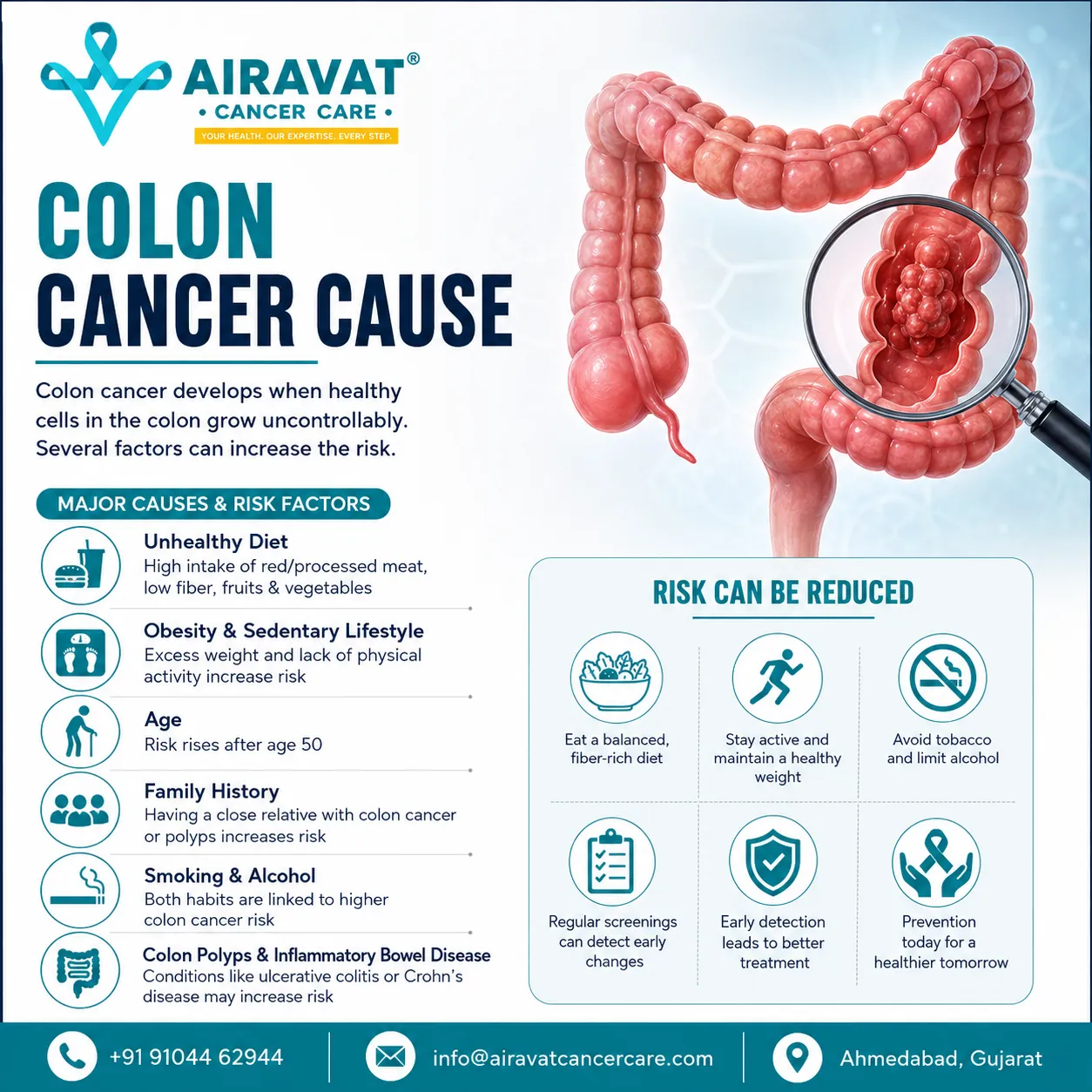
There's a second group of people who should see a GI Cancer Surgeon in Ahmedabad even without obvious symptoms: those with elevated risk. This includes people with unhealthy dietary habits, obesity, a history of smoking or regular alcohol use, and anyone with a family history of digestive tract cancers. If you fall into more than one of these categories, waiting for symptoms to appear is not a safe strategy. Screening tests such as colonoscopy or endoscopy are appropriate for this group even in the absence of complaints.
How Diagnosis Actually Works
A GI cancer diagnosis isn't made from symptoms alone. It requires clinical evaluation combined with imaging, typically a CT scan, along with a colonoscopy or endoscopy to directly examine the digestive tract for abnormal growths. If something suspicious is found, a biopsy confirms whether cancer cells are actually present. Further tests then establish the stage of the disease, which is what actually determines the treatment plan.
Staging generally follows this pattern:
- Stage I: Cancer is confined to the organ where it started
- Stage II: It has spread into deeper tissue layers
- Stage III: It has reached nearby lymph nodes
- Stage IV: It has spread to distant organs
The stage at diagnosis has a direct bearing on how complex the treatment will be and what the likely outcome looks like. This is precisely why symptoms shouldn't be brushed off for weeks or months before seeking a consultation.
Why Timing Changes the Outcome
Early stage GI cancer is, in blunt terms, easier to treat. It usually means fewer treatment lines, a higher chance that surgery alone resolves the issue, and better preservation of normal digestive function afterward. Late stage disease, where the cancer has already reached lymph nodes or spread further, requires more aggressive combinations of surgery, chemotherapy, targeted therapy, or radiation, and the outcomes are less predictable. There's no way to soften that reality. The gap between an early and a late diagnosis is often the gap between a straightforward surgical recovery and a much longer, harder treatment course.
When to Actually Book the Consultation
If you've had any of the symptoms listed above for more than two to three weeks, that's the point to stop waiting. If you have known risk factors, even without symptoms, a discussion about screening is worth having now rather than after something shows up. A GI Cancer Surgeon in Ahmedabad can order the right imaging and endoscopic evaluation, interpret the results properly, and if needed, move quickly to biopsy and staging so treatment isn't delayed further.
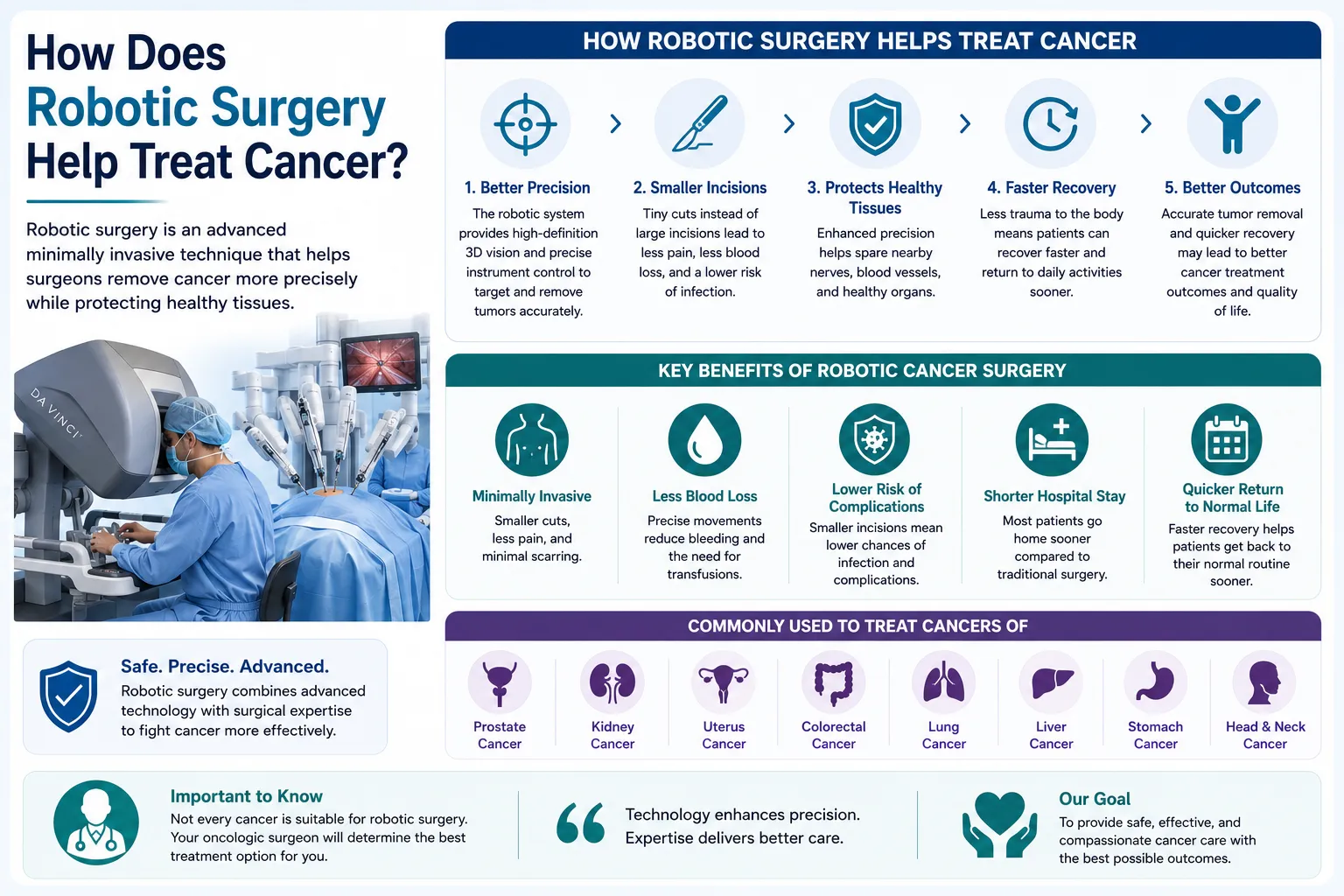
Facilities such as Airavat Cancer Care in Ahmedabad handle this pathway from diagnosis through surgical treatment, including minimally invasive techniques where appropriate, along with follow up care after treatment. Where and who you consult matters, but the bigger factor is simply how early you show up. Digestive symptoms that persist are not something to manage indefinitely on your own. Get them checked, get a clear answer, and if treatment is needed, start it while it's still at its most manageable stage.




















Sign in to leave a comment.