

Healthy gums are easy to overlook. Most people pay attention to their teeth when they hurt, but gum disease can develop gradually without causing obvious pain. By the time symptoms become uncomfortable, the infection may already have affected the tissues and bone supporting the teeth.
A periodontist specializes in the diagnosis, prevention, and treatment of conditions affecting the gums, periodontal tissues, and structures that support your teeth. Knowing when a general dental concern has become a periodontal concern can help you seek the right level of care sooner.
For people in Vancouver, WA, this is especially relevant when routine dental care reveals persistent gum inflammation, bleeding, recession, or changes around existing dental work. Here are seven signs that may indicate it is time to discuss periodontal care with a dental professional.
1. Your Gums Bleed Regularly When You Brush or Floss
Occasional bleeding can happen if you have recently started flossing after a long break. However, gums that consistently bleed during brushing, flossing, or eating should not simply be considered normal.
Bleeding often occurs when gum tissue is inflamed. Plaque buildup along the gumline can trigger this inflammation, and if it continues, bacteria can move beneath the gumline and contribute to periodontal disease.
A useful distinction is frequency. If bleeding keeps happening despite consistent brushing and flossing, it deserves professional attention.
Your dentist may evaluate the gumline, measure periodontal pockets, check for plaque and tartar, and determine whether the problem can be addressed with routine preventive care or requires more specialized periodontal treatment.
2. Your Gums Are Red, Swollen, or Tender
Healthy gums generally fit closely around the teeth and have a firm appearance. Persistent redness, swelling, or tenderness can indicate inflammation.
Gum inflammation does not always mean advanced periodontal disease. Gingivitis, certain medications, inadequate oral hygiene, hormonal changes, and other factors can contribute to gum irritation. The important point is that persistent inflammation should be evaluated rather than ignored.
A periodontal examination can help determine whether inflammation is limited to the gum tissue or whether deeper structures are involved.
3. Your Gums Are Pulling Away From Your Teeth
Gum recession is another sign worth discussing with a dental professional.
When gum tissue gradually moves away from the tooth, more of the tooth root can become exposed. This may cause sensitivity to cold drinks, hot foods, or brushing. It can also make teeth appear longer than they previously did.
Recession can have several causes, including periodontal disease, aggressive brushing, tooth positioning, thin gum tissue, and certain habits.
The appropriate treatment depends on the cause. Simply changing toothpaste may help sensitivity, but it does not necessarily address the underlying reason for gum recession.
If you notice a visible change in your gumline, a professional evaluation can help determine what is happening before the recession progresses.
4. You Have Persistent Bad Breath or a Bad Taste
Everyone experiences bad breath occasionally. Persistent odor or a recurring unpleasant taste, however, can sometimes be associated with bacterial buildup around the gums or within periodontal pockets.
This is particularly important when bad breath occurs alongside:
- Bleeding gums
- Swollen or tender gums
- Gum recession
- Pus around the gums
- Loose teeth
- A persistent bad taste
Mouthwash may temporarily mask an odor, but it does not necessarily eliminate the source. If the problem keeps returning, identifying the underlying cause is more useful than repeatedly covering the symptom.
5. Your Teeth Feel Loose or Your Bite Has Changed
Loose adult teeth should always be evaluated.
Teeth are supported by a combination of gum tissue, periodontal ligaments, and the bone surrounding their roots. Advanced periodontal disease can damage these supporting structures, potentially causing teeth to become mobile.
You may also notice that your teeth seem to come together differently when you bite. A change in your bite does not automatically mean you have periodontal disease, but when it occurs alongside other gum symptoms, it deserves attention.
This is one situation where delaying an examination can be particularly problematic. Treatment decisions are generally easier to make when the condition is identified before significant supporting tissue has been lost.
6. You Have Deep Gum Pockets or a History of Gum Disease
Sometimes the warning signs are discovered during a routine dental examination rather than noticed at home.
During a periodontal evaluation, a dental professional may measure the depth of the spaces between your teeth and gums. These areas are called periodontal pockets.
Healthy gum tissue typically has shallow spaces around the teeth. Deeper pockets can make it more difficult to remove bacteria through normal brushing and flossing and may indicate periodontal disease.
If you have previously been diagnosed with gum disease, regular periodontal monitoring can also be important because periodontal disease can become a long-term condition requiring maintenance rather than a one-time treatment.
7. You Have Risk Factors That Increase Your Chances of Gum Problems
Some people need to pay closer attention to periodontal health because certain factors can increase their risk.
These may include:
- A previous history of periodontal disease
- Smoking or tobacco use
- Diabetes
- Poor oral hygiene
- Certain medications
- Family history of gum disease
- Hormonal changes
- Teeth that are difficult to clean
- Certain dental restorations that make plaque control more challenging
Risk factors do not mean that someone will automatically develop periodontal disease. They simply make regular dental monitoring more important.
For Vancouver, WA residents, maintaining consistent preventive care is also practical because oral health needs to be managed year-round rather than only when a tooth becomes painful.
What Happens During a Periodontal Evaluation?
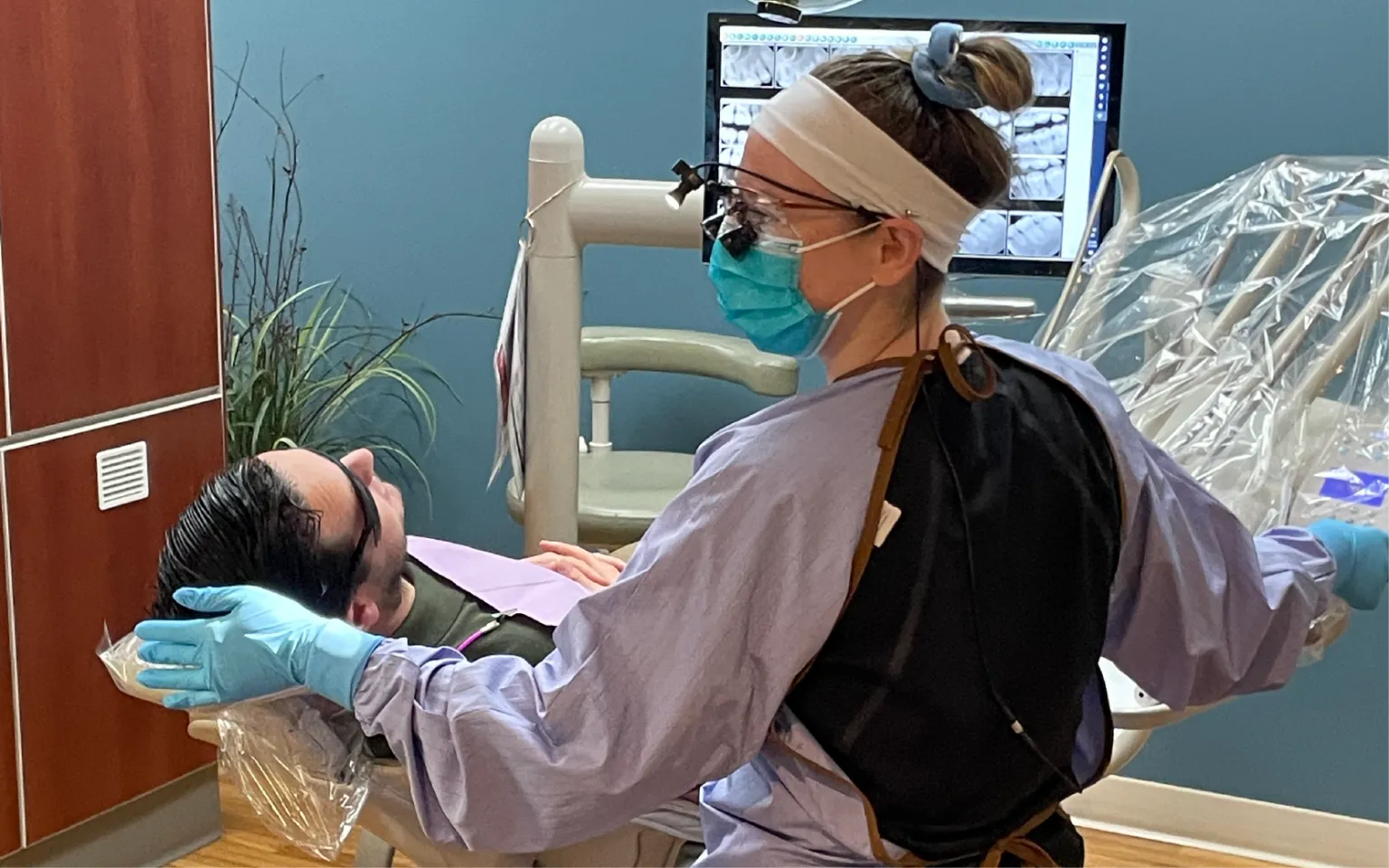
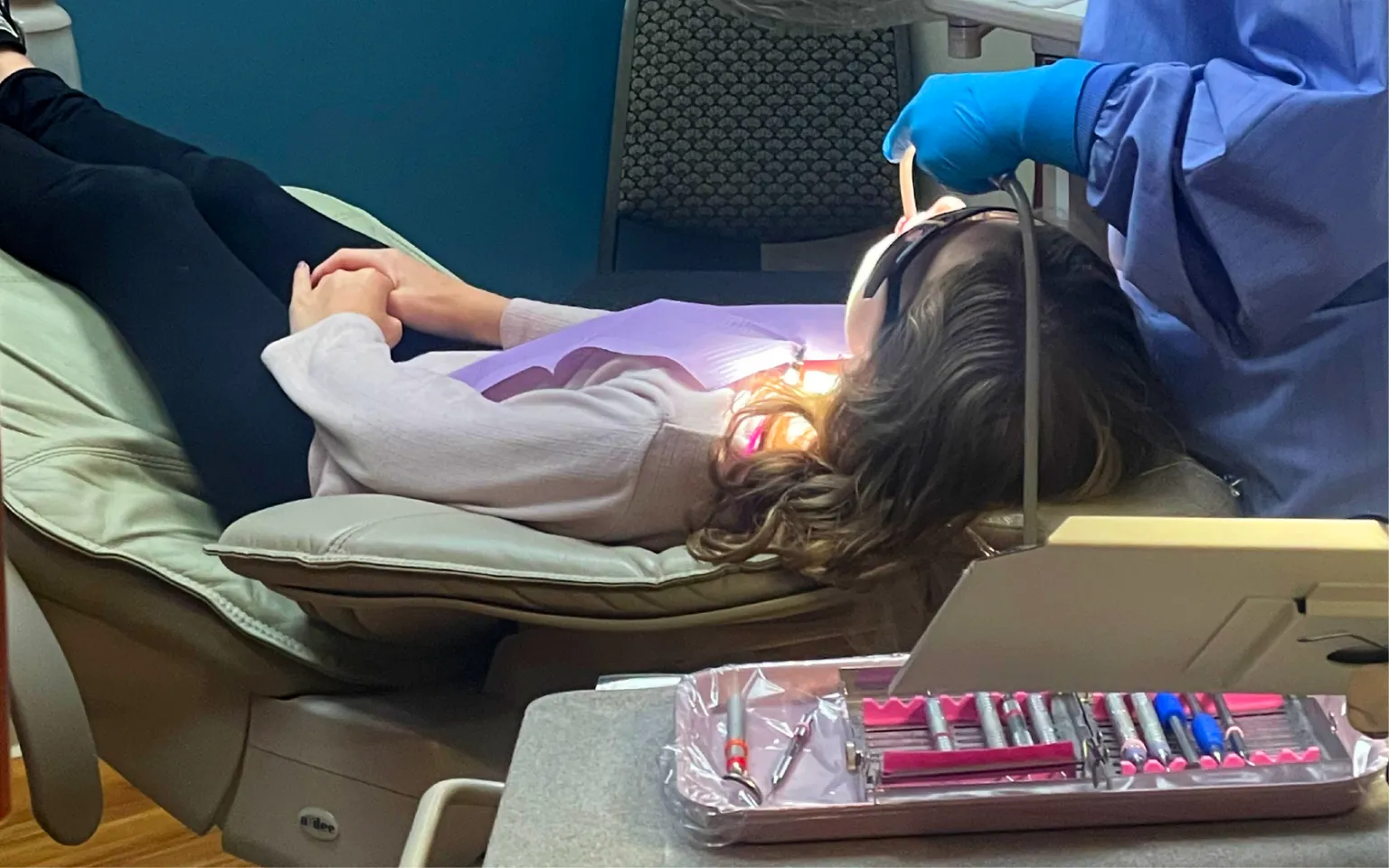
If your dentist recommends seeing a periodontist, the process usually begins with a detailed assessment rather than immediately moving to treatment.
The clinician may review your dental and medical history, examine your gums, measure periodontal pockets, evaluate gum recession, check tooth mobility, and assess the supporting bone using appropriate dental imaging when necessary.
The goal is to answer several important questions:
Is there active gum disease?
How advanced is it?
Which areas are affected?
Is there evidence of bone or tissue loss?
What treatment or maintenance approach is appropriate?
Depending on the findings, treatment may range from improved home care and professional cleanings to more advanced periodontal procedures.
When Is It Appropriate to Start With Your General Dentist?
Not every gum problem requires a specialist.
For mild bleeding or early gum inflammation, your general dentist may be able to diagnose the problem and provide treatment or preventive guidance. A referral to a periodontist may become appropriate when there are signs of more advanced disease, persistent symptoms, significant gum recession, bone loss, complex periodontal concerns, or a need for specialized procedures.
The key is not to wait for severe pain. Periodontal disease can progress without producing the kind of sharp toothache people typically associate with dental problems.
If you are already looking for information about dentist services in Vancouver, WA, understanding the difference between routine preventive dental care and specialized periodontal treatment can help you ask more informed questions at your next appointment.
How to Protect Your Gum Health at Home
Professional treatment is only part of periodontal health. Daily habits have a major role in controlling plaque and protecting the gumline.
A practical routine includes:
- Brush twice a day using proper technique.
- Clean between your teeth every day.
- Avoid treating persistent gum bleeding as normal.
- Attend regular dental examinations and cleanings.
- Follow recommended periodontal maintenance schedules if you have gum disease.
- Tell your dental provider about changes such as recession, sensitivity, swelling, or tooth mobility.
- Discuss tobacco use and other risk factors with your dental professional.
One common mistake is brushing harder when gums bleed. More pressure is not necessarily better. Effective plaque removal depends on consistent technique, adequate coverage, and cleaning between the teeth rather than aggressive force.
Local Dental Care Starts With Paying Attention to Changes
Living in Vancouver, WA means access to routine dental care is relatively straightforward, but recognizing when a routine concern needs additional evaluation is still important. Gum disease is not always dramatic. Sometimes the earliest clues are simply blood on the toothbrush, persistent inflammation, a changing gumline, or a difference in how your teeth feel.
If you notice one isolated symptom, it may not mean you need periodontal treatment. If several symptoms continue or become more noticeable over time, however, it is reasonable to schedule an examination.
For patients seeking comprehensive dental care in the Vancouver area, Padden Dental can be a starting point for discussing ongoing gum concerns and determining whether additional periodontal evaluation may be appropriate.
The Bottom Line
The best time to address periodontal problems is generally before they begin affecting the structures that support your teeth.
The seven signs to watch for are:
- Regular bleeding when brushing or flossing
- Persistent red or swollen gums
- Gum recession
- Ongoing bad breath or an unpleasant taste
- Loose teeth or a changing bite
- Deep periodontal pockets or previous gum disease
- Risk factors that increase susceptibility to periodontal problems
None of these signs alone provides a diagnosis. But they are useful reasons to schedule a dental evaluation and ask whether your gums need more focused attention.
Good periodontal care is ultimately about preserving the foundation around your teeth, not simply treating symptoms after they become uncomfortable.



























Sign in to leave a comment.