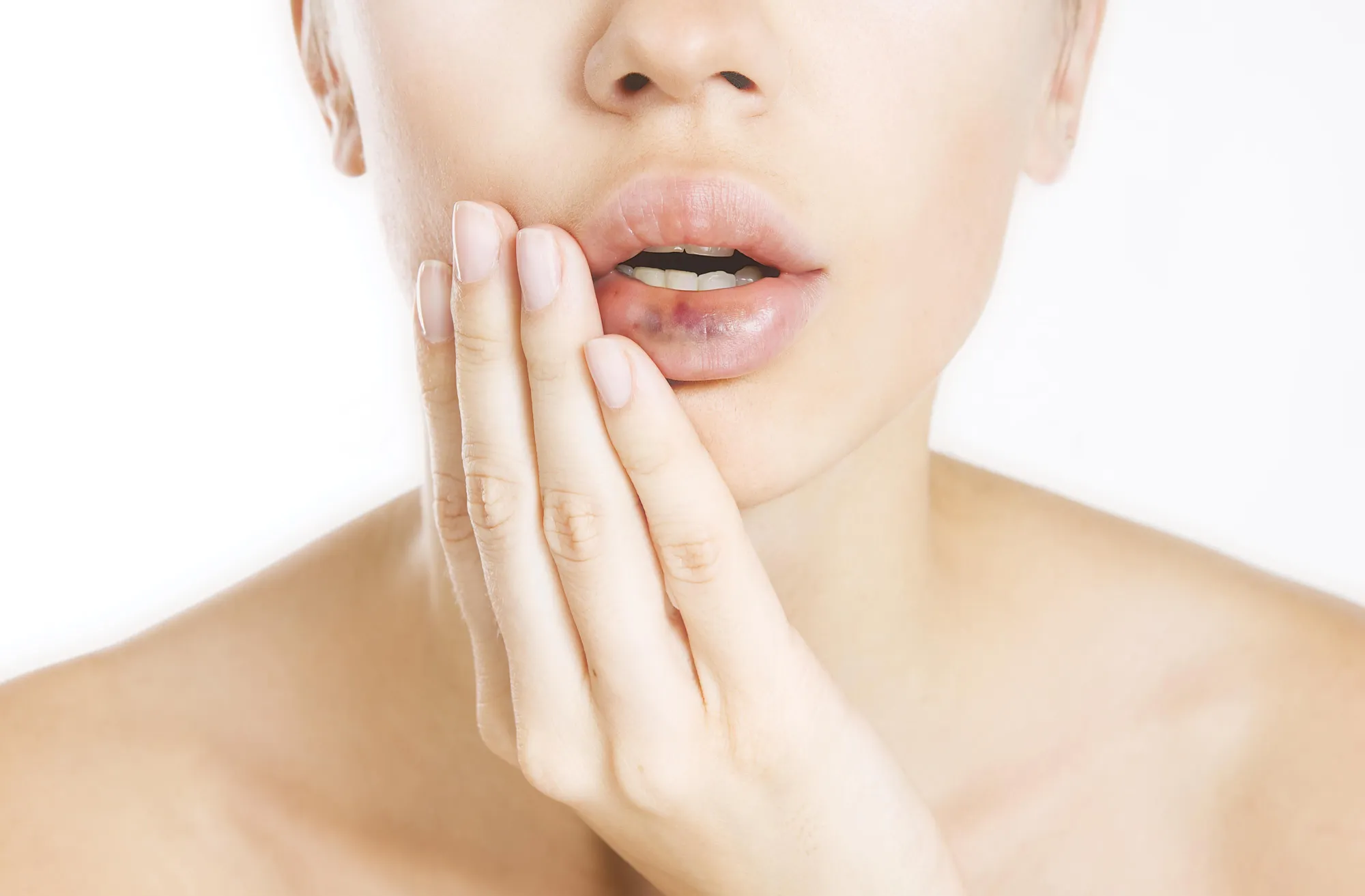

Most aesthetic treatments are carried out safely when they are properly assessed and performed by an appropriately trained medical professional. However, like any medical procedure, injectable and aesthetic treatments can sometimes cause unexpected reactions or complications. Knowing when a problem is part of normal recovery — and when it needs specialist attention — is important.
An aesthetic complications expert can assess problems following treatments such as dermal fillers, anti-wrinkle injections, skin boosters and other injectable procedures. Early assessment can be particularly important when symptoms are unusual, worsening or significantly different from what you were told to expect.
What Is an Aesthetic Complication?
An aesthetic complication is an unwanted or unexpected problem following an aesthetic treatment. It can range from a temporary reaction that settles naturally to a more significant issue requiring medical assessment.
Not every side effect means something has gone wrong. Mild swelling, redness, bruising or tenderness can occur after many treatments and often improve as the area heals.
The important question is whether your symptoms are:
- Mild and improving
- Within the expected recovery period
- Becoming worse rather than better
- Unusual for the treatment you received
- Associated with significant pain or changes in the skin
Understanding this difference can help you decide whether you simply need to monitor your recovery or seek professional advice.
When Is Swelling Normal?
Swelling is one of the most common reactions after injectable treatments, particularly dermal fillers.
Some swelling immediately after treatment is usually not surprising. It can become more noticeable during the first few days before gradually settling.
However, persistent or rapidly increasing swelling should not simply be dismissed as part of the healing process.
The location, severity and timing of the swelling all matter. For example, swelling that continues to worsen rather than settle may require assessment.
If you have recently had filler and are unsure whether your recovery is progressing normally, understanding the typical filler swelling and healing timeline can help you recognise what is expected.
Severe or Increasing Pain Should Be Assessed
Pain following an aesthetic procedure can vary depending on the treatment and area involved.
Some tenderness can be expected, particularly shortly after an injection. Severe, unusual or increasing pain is different.
If pain becomes progressively worse, particularly when accompanied by changes in the skin, swelling or other unusual symptoms, you should seek medical advice rather than simply waiting for it to disappear.
An experienced practitioner can assess the area and determine whether further treatment or monitoring is required.
Changes in Skin Colour Can Be Important
One of the signs that deserves particular attention following an injectable treatment is an unusual change in skin colour.
The skin may appear:
- Unusually pale
- White or patchy
- Bluish or dusky
- Darker than expected
- Markedly different from the surrounding skin
These changes should not automatically be assumed to be ordinary bruising.
The timing of the colour change, its pattern and whether it is associated with pain or other symptoms can help a medical professional determine what is happening.
If you notice an unexpected skin change after treatment, prompt assessment is sensible.
What About Lumps After Dermal Fillers?
Small areas of firmness or unevenness can sometimes occur after dermal filler treatment.
In some cases, these may settle as swelling reduces and the product integrates into the tissue. In others, persistent lumps or nodules may require assessment.
Trying to massage, squeeze or manipulate the area yourself is not always appropriate.
The correct approach depends on the treatment used, where it was injected, how long ago it was performed and what the area currently looks and feels like.
This is why an individual assessment is more useful than trying to diagnose a complication from photographs or general information online.
When Should You Seek Specialist Advice?
You should consider speaking to an aesthetic complications expert if you experience symptoms that are unusual, severe, worsening or outside the recovery information provided by your practitioner.
Examples can include:
- Significant or increasing pain
- Rapidly worsening swelling
- Unexpected skin colour changes
- Persistent or worsening lumps
- Significant asymmetry
- Increasing redness or warmth
- Symptoms that are getting worse rather than better
- Concerns that something is not healing normally
This does not mean that every one of these symptoms represents a serious complication. It means that they deserve appropriate medical assessment rather than being ignored.
You can also read about the early warning signs of aesthetic complications to understand when professional assessment may be appropriate.
Why Early Assessment Matters
One of the biggest mistakes people can make after an aesthetic procedure is waiting too long because they are worried about “overreacting”.
A medical assessment does not necessarily mean that a serious problem has occurred. It can simply provide reassurance or identify an issue that needs monitoring.
Where a genuine complication is present, however, early recognition can be important because some problems are easier to manage when addressed promptly.
This is particularly relevant for injectable treatments, where the underlying cause of a symptom needs to be identified before deciding what should happen next.
Should You Contact the Original Practitioner?
In many situations, your first step should be to contact the practitioner or clinic that performed your treatment.
They should know:
- What product was used
- How much was injected
- Where it was placed
- Which technique was used
- When the procedure took place
- What aftercare you were given
However, if you cannot reach your practitioner, feel uncomfortable with the advice you have received, or need a specialist assessment, seeking an independent medical opinion may be appropriate.
A doctor experienced in managing aesthetic complications can assess the situation based on the symptoms and treatment history rather than simply assuming that everything is part of normal recovery.
What Happens During a Complications Assessment?
An assessment will usually begin with a detailed discussion about the treatment and your symptoms.
You may be asked:
- What treatment did you have?
- When was it performed?
- Which product was used?
- Where was it injected?
- When did your symptoms begin?
- Have they improved or worsened?
- Have you received any treatment for the problem already?
The affected area will then be examined.
Depending on the situation, further assessment may be needed to understand what is happening beneath the surface. The priority is to establish whether the symptoms represent a normal reaction, a delayed issue or a complication requiring intervention.
Can Aesthetic Complications Be Prevented?
No aesthetic treatment is completely free from risk, but appropriate planning can reduce avoidable problems.
Important factors include:
Choosing an appropriately qualified practitioner
The experience and medical training of the person performing the treatment matter, particularly for injectable procedures.
Having a proper consultation
A consultation should consider your medical history, previous treatments, expectations and suitability rather than treating the procedure as a quick appointment.
If you are considering treatment, you may find our guide to your first cosmetic consultation useful before making a decision.
Understanding the risks
You should know what reactions are expected, what aftercare is recommended and which symptoms should prompt you to contact your practitioner.
Having access to appropriate aftercare
A responsible clinic should provide clear information about what to do if you develop concerns following treatment.
What If You Have Had a Previous Complication?
Having experienced a complication does not necessarily mean you can never have aesthetic treatment again.
However, your previous treatment history should be taken seriously.
Before undergoing another procedure, it can be useful to establish:
- What caused the previous problem
- Which product and technique were involved
- How the complication was managed
- Whether there are factors that could increase your future risk
- Whether another treatment is appropriate
A personalised assessment can help you make a more informed decision rather than simply repeating the same treatment approach.
A Medical Approach to Aesthetic Complications
Aesthetic complications require more than simply looking at whether an area appears swollen or uneven.
The timing of symptoms, treatment type, injection site, medical history and progression all contribute to the assessment.
This is why seeking advice from a medically trained professional with experience in aesthetic complications can be valuable when something does not seem right.
For further reading, you can also explore aesthetic complications, their causes and warning signs before or after an aesthetic procedure.
Frequently Asked Questions
How do I know if I have an aesthetic complication?
Not every swelling, bruise or area of tenderness is a complication. Concerns are more significant when symptoms are severe, unusual, worsening or accompanied by unexpected skin changes. When in doubt, seek professional assessment.
Should I wait for swelling to go down?
Mild swelling often improves naturally, but rapidly increasing swelling, significant pain or unusual changes should not simply be ignored. The appropriate response depends on the treatment and symptoms.
Can an aesthetic complication be treated?
Many complications can be managed, but treatment depends entirely on what has caused the problem. An assessment should come before deciding what intervention is appropriate.
Should I see an aesthetic complications expert after filler?
If you are experiencing unusual, severe or worsening symptoms after filler, specialist medical assessment can help determine whether the reaction is part of normal recovery or requires further attention.
Can complications happen after anti-wrinkle injections?
Yes. Although many people experience little more than temporary injection-site reactions, unwanted effects can occur. Understanding anti-wrinkle injection safety and potential risks can help you know what to expect.
Don't Ignore Something That Doesn't Feel Right
Most people recover from aesthetic treatments without major problems. But if your symptoms are unusual or getting worse, you do not need to wait until you are certain that something is wrong before asking for medical advice.
An aesthetic complications expert can assess what is happening, explain whether it falls within normal recovery and recommend the appropriate next step when further management is needed.
The goal is not simply to treat complications. It is to recognise them appropriately, respond to them promptly and make sure patients receive the right medical support throughout their aesthetic treatment journey.
























Sign in to leave a comment.