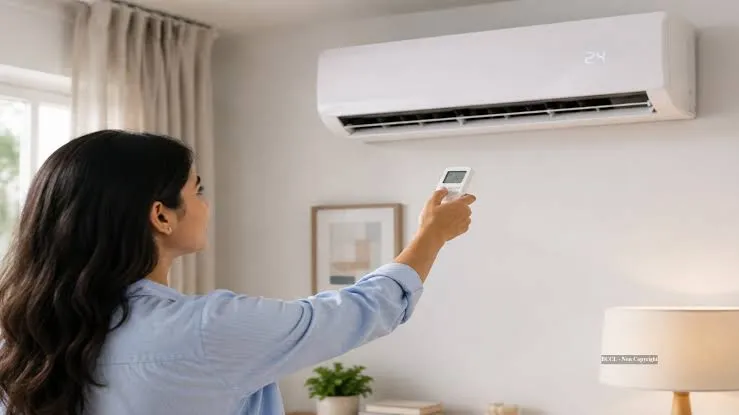

There's rarely a convenient time for an air conditioner to fail. It tends to happen during the hottest stretch of summer, right before guests arrive, or late at night when the temperature inside keeps climbing and sleep feels impossible. In moments like these, knowing how to respond and who to call for emergency AC repair can be the difference between a stressful night and a quick, manageable fix. Understanding what counts as a true emergency, and what steps to take while waiting for help, makes the whole situation far less overwhelming.
What Actually Counts as an Emergency
Not every AC issue requires a same-day call. A slightly warmer house or a minor efficiency drop can often wait until regular business hours. True emergencies usually involve a complete loss of cooling during extreme heat, especially in homes with infants, elderly residents, or anyone with a health condition affected by high temperatures. Burning smells, visible sparks, water pooling near the unit, or a complete electrical shutdown also fall into the category that shouldn't wait, since these situations can pose safety risks beyond simple discomfort.
What to Do While Waiting for Help
Before a technician arrives, there are a few simple steps that can prevent the situation from getting worse. Turning the system off entirely, rather than letting it keep cycling and straining, can prevent further damage. Closing blinds and curtains helps limit heat gain, while fans can keep air moving through the house in the meantime. If a breaker has tripped, resetting it once is reasonable, but if it trips again immediately, it's best to leave it off and wait for a professional rather than risking further electrical strain.
Finding the Right Technician Under Time Pressure
Searching for emergency AC repair while already uncomfortable makes it tempting to call the very first number that appears. A few quick checks still matter, even under pressure. Confirm the company is licensed and available for genuine after-hours calls, not just claiming to be. Ask for a rough estimate of response time and pricing structure before committing, since some providers charge significantly higher rates for nights, weekends, or holidays, and it helps to know that upfront rather than being surprised later.
What Usually Causes a Sudden Breakdown
Most emergency calls trace back to a handful of common culprits: a failed capacitor, a tripped breaker, a refrigerant leak, or a frozen evaporator coil caused by restricted airflow. Aging systems that haven't received regular maintenance are far more prone to sudden failure, particularly during periods of heavy use when the unit is already working at its limit. Recognizing these patterns won't fix the problem on its own, but it helps homeowners describe symptoms clearly when speaking with a technician over the phone.
Reducing the Chances of a Repeat Emergency
Once the system is running again, it's worth taking steps to avoid a repeat scenario. Replacing filters on a regular schedule, keeping the outdoor unit clear of debris, and scheduling a seasonal inspection before peak summer heat all reduce the odds of an unexpected failure. A system that's been checked and cleared ahead of time is far less likely to leave a household searching urgently for help in the middle of a heat wave.
Final Thoughts
A sudden loss of cooling is stressful, but knowing what qualifies as urgent, what to do in the meantime, and how to choose a technician quickly turns a chaotic situation into a manageable one. Keeping a trusted number for emergency AC repair saved ahead of time, rather than searching for one in the middle of a crisis, is a small step that pays off enormously when the temperature starts climbing. With a little preparation and the right response, most households can get through a breakdown safely and get back to comfortable temperatures without unnecessary delay.




























Sign in to leave a comment.