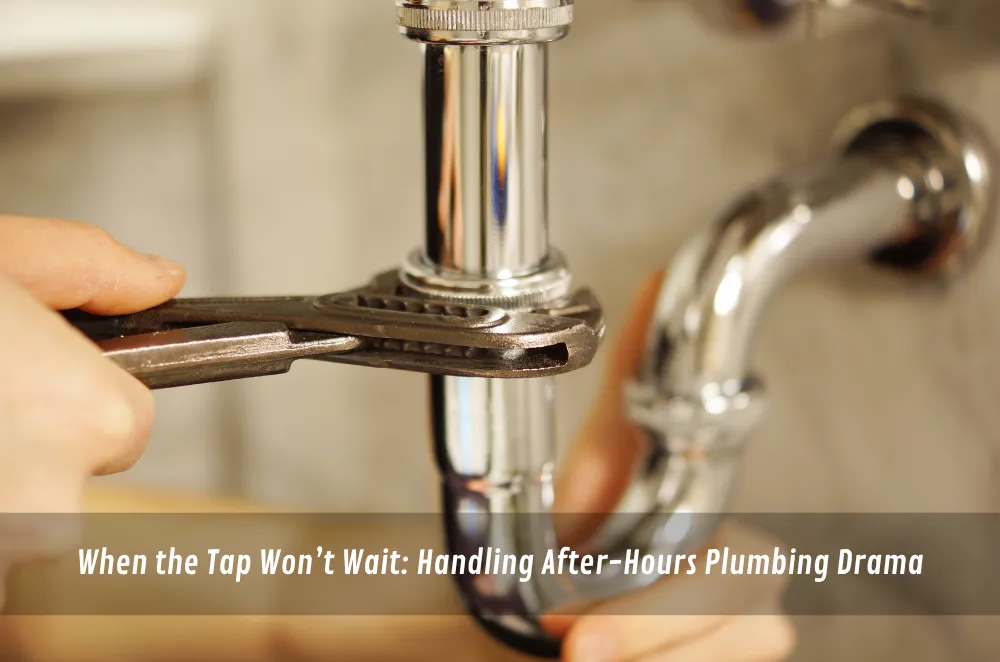

A sudden hiss, a splash, and the unmistakable realisation that water is heading where it definitely shouldn’t. Plumbing mishaps have no respect for business hours, and the moment they happen every minute counts. In the Sutherland Shire and neighbouring suburbs, that urgency is amplified by the coastal climate—pipes cool quickly at night, seals contract, and an ordinary drip can turn into a steady flow before sunrise.
Homeowners often scramble, juggling towels, buckets, and frantic web searches for “quick fixes”. Some damage control is possible, but not every crisis should be a DIY project. Knowing when to step back and bring in professional help can save a soaked carpet turning into a full bathroom renovation.
Common Night-Time Plumbing Surprises
The late-night calls plumbers remember most are rarely glamorous. Overflowing cisterns, split flexi-hoses under kitchen sinks, and hot-water units that decide to burst right as the household falls silent—these are the regulars. While each problem looks different on the surface, they share one trait: the longer they run, the more expensive the eventual clean-up.
Even keen handypeople reach a point where the toolkit isn’t enough. That’s when around-the-clock plumbing services step in. Having a licensed professional on the road after midnight means the shut-off valve gets checked, the issue is diagnosed properly, and you’re not relying on guesswork that might make things worse by morning.
Night-time floods aren’t just about pooling water either. Saturated plasterboard sags and breeds mould, electrical outlets become hazards, and hot water loss can leave family members shower-less before work. Acting quickly keeps those flow-on effects contained.
Why Fast Help Matters More After Dark
Damage accelerates when nobody’s awake to spot it. A cracked pipe that leaks a litre a minute will empty more than sixty litres in an hour—enough to drench floorboards and seep under skirting. Replace “hour” with “entire night” and you’re facing structural moisture, swollen cabinetry, and the prospect of specialised drying equipment.
Timeliness also affects insurance. Many domestic policies require “reasonable steps” to reduce loss. Calling in a licensed emergency plumber documents that you acted responsibly and provides an official report should you need to lodge a claim. That paperwork is much stronger than a couple of phone photos at 3 am.
Not every firm offers genuine 24-hour cover, though. Some outsource to a call centre that queues jobs for the morning. Look for companies that publish their on-call response time and are based locally so travel isn’t half the battle. A team that knows the back streets of Caringbah or Miranda will reach you faster than one navigating from the city fringe.
Mid-article resources help homeowners plan beyond emergencies as well. For water-wise habits that prevent night-time blow-outs later, check this primer on water-saving tips. Small maintenance habits—checking flexi-hose expiry dates, easing pressure valves—can delay those 2 am disasters in the first place.
Temporary Fixes You Can Try Before the Plumber Arrives
Shut-off valves are your best friends. Every sink, toilet, and outdoor tap in modern builds should have an isolation valve on the supply line. Closing it stops the immediate flow, buying you time. If you can’t find the individual valve—or it’s frozen with corrosion—turn off the main at the water meter by the street. It’s usually a quarter-turn tap or a rectangular stop valve.
For hairline cracks in PVC, wrapping with self-fusing silicone tape keeps pressure at bay for a short stint. Don’t rely on standard electrical tape; it loses grip when wet. A bicycle tyre inner tube and a pair of hose clamps can improvise a sturdy patch on copper if you’re confident, but remember these are band-aids, not cures.
When the issue is an overflowing toilet, removing the cistern lid and lifting the float arm will halt water entering the tank. Prop the arm with a piece of timber or a long utensil while you isolate the inlet valve below. That limits both noise and water waste until help arrives.
Good lighting is crucial. Keep a head torch in the laundry cabinet; juggling a phone torch while twisting rusty valves rarely ends well. Protective gloves stop nicks from sharp edges and hold heat if the leak involves hot water.
Choosing a Reliable 24-Hour Service
Trust starts with credentials. In NSW, emergency plumbers must hold a contractor licence and public liability insurance. Don’t be shy about asking for the licence number—it should match what’s listed on Service NSW. Reviews tell part of the story, but focus on responses referencing punctual night visits rather than generic praise.
Local presence matters. A company operating multiple utes south of Botany Bay will reach Loftus or Gymea faster than one despatching from Parramatta. Travel fees for after-hours jobs are standard, yet they stay reasonable when distance is short.
Ask about parts on board. An after-hours call-out that ends with “We’ll be back when the supplier opens” helps no one. Reputable teams carry a stock of common valves, flexi-hoses, washers, and pipe offcuts so most fixes can be completed straight away.
Finally, clarity on pricing keeps tempers cool. Firms that quote a flat attendance fee plus transparent labour and materials stop surprises stacking up after sunrise. Vague “starts from” figures often multiply when specialty fittings appear. Get the rate confirmed while you’re still on the phone.
For flood-related safety guidelines—especially if rising water threatens electrical circuits—see the NSW SES flood safety advice. Their recommendations on power isolation and personal protection apply equally to severe indoor leaks.
A calm, methodical approach backed by an on-call professional turns an overwhelming burst pipe into a problem solved before breakfast. Plumbers work these shifts precisely so households can keep living, sleeping, and showering without days of disruption. The trick is deciding ahead of time who you’ll ring, not scrambling for numbers with wet hands.
FAQs
How can I tell if the leak is serious enough to call an emergency plumber?
If shutting the local valve doesn’t stop the flow, the leak involves hot water under pressure, or the water threatens electrical fittings, treat it as urgent. Continuous dripping overnight can still cause costly damage, so err on the side of caution.
Should I attempt to shut off the mains if the leak is inside a wall?
Yes, turning off the mains limits further saturation. Once the water stops, mark or photograph the damp area so the plumber knows where to open the wall for inspection.
Do after-hours rates always cost more?
Most plumbers charge an attendance surcharge outside standard hours, but rapid intervention can still be cheaper than prolonged water damage. Clarify the call-out fee and hourly rate before confirming.
Will insurance cover my emergency plumbing bill?
Policies vary. Many insurers reimburse reasonable emergency costs if they prevent further loss. Keep the plumber’s invoice and any before-and-after photos as evidence for your claim.



















Sign in to leave a comment.