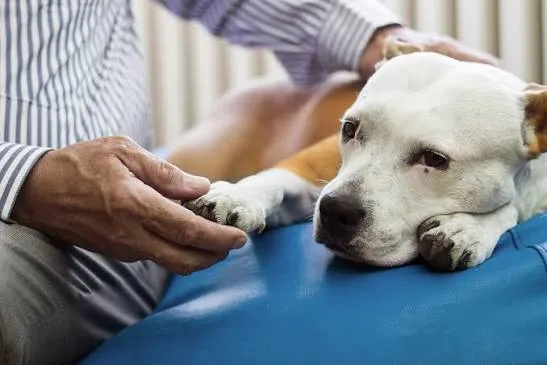

When a beloved pet’s health suddenly worsens, families may need to make decisions quickly. A dog who can no longer stand comfortably, a cat with a serious illness, or an animal whose pain has become difficult to manage can leave their family feeling uncertain about what to do next.
For some families, an in-home veterinary visit can provide a familiar setting for end-of-life care. But finding a same-day appointment depends on the provider’s availability, the pet’s condition, and whether the address is within the service area. It is also important to distinguish a situation that may be suitable for a planned home appointment from a medical emergency that needs immediate veterinary attention.
This guide explains how to explore same-day and affordable pet euthanasia options in Montgomery County, PA, what affects the cost, and how to discuss difficult medical and quality-of-life concerns with a veterinarian.
What Same Day Pet Euthanasia Means
Same-day pet euthanasia refers to an appointment arranged for the day a family contacts a provider. It is not a guarantee that a veterinarian will be available immediately or that every case can safely be handled at home.
Availability depends on the provider’s schedule, travel distance, current demand, and the pet’s medical circumstances. When you call, explain what has changed, describe any signs of distress, and ask about the earliest appropriate appointment.
If your pet is struggling to breathe, collapsing, experiencing severe uncontrolled pain, or having prolonged or repeated seizures, contact an emergency veterinary hospital immediately. Do not wait for a home appointment if your pet needs urgent stabilization.
What to Discuss When You Call
Be prepared to share your pet’s age, diagnosis, current symptoms, medications, mobility, and recent changes. Explain whether your pet can rest comfortably, eat and drink, and move without significant difficulty.
Ask whether the provider serves your town, what appointment times may be possible, what the visit includes, and whether additional fees apply to same-day or after-hours appointments. If you are unsure whether euthanasia is appropriate, say so and ask what veterinary guidance is available before proceeding.
How At-Home Pet Euthanasia Works
An in-home visit allows a veterinarian to assess the situation and provide euthanasia in a familiar environment when it is clinically appropriate. The veterinarian reviews the pet’s condition, explains the procedure, answers questions, and discusses aftercare.
Sedation is commonly used before the final medication, but the exact protocol depends on the pet’s condition and the veterinarian’s judgment. Families can ask the veterinarian to explain each stage and how comfort will be assessed.
After the pet has passed, the veterinarian explains the available aftercare options. These arrangements and their costs vary, so ask about them in advance whenever possible.
Is a Home Visit Right for Every Situation?
A home appointment may be suitable when a pet is nearing the end of life and can remain comfortable while waiting for the veterinarian. It may also help reduce the stress of transport for an elderly or mobility-impaired animal.
However, home euthanasia should not replace emergency treatment when a pet is in acute distress. Difficulty breathing, collapse, severe bleeding, sudden inability to stand, or prolonged seizures require urgent veterinary advice. A veterinarian can help determine the safest and most humane next step.
Confirming Pet Euthanasia Service Areas in Montgomery County
Paws at Peace provides in-home pet euthanasia throughout Delaware County and in selected communities in Chester and Montgomery counties. Service is not automatically available at every address in Montgomery County, so confirm your town or ZIP code before scheduling.
Review the Paws at Peace Pennsylvania service-area page to learn more about the service and request an appointment. Ask about current availability, the total fee, and whether travel or timing charges may apply.
When searching for mobile pet euthanasia in Montgomery County, avoid assuming that a provider serves the entire county simply because it appears in local search results. Exact coverage matters, especially when an appointment is needed quickly.
Understanding the Cost of Pet Euthanasia
The cost of an in-home appointment depends on the provider and the circumstances. Travel distance, time of day, pet size, and aftercare choices may affect the final amount. Same-day or after-hours appointments may carry additional fees, depending on the service.
What to Ask About Pricing
| Cost factor | What to confirm |
| Appointment fee | Does it include the veterinarian’s visit, sedation, and final medication? |
| Travel | Is your address within the standard service area? |
| Same-day timing | Are urgent, evening, or weekend visits priced differently? |
| Pet size | Are additional charges applied for larger pets? |
| Aftercare | Are cremation arrangements separate from the visit fee? |
| Memorial options | Are keepsakes included or charged separately? |
Ask for an itemized estimate before confirming the appointment. If you are comparing providers, check that each quote covers comparable services and that you understand any additional fees.
Finding More Affordable Options
If cost is a concern, explain your circumstances to your regular veterinarian and ask whether reduced-cost referrals or financial assistance may be available. Local animal welfare organizations and shelters may also know of support programs, although assistance is not guaranteed and eligibility varies.
You can ask a provider whether payment options or referrals are available. If your pet is stable and your veterinarian agrees that waiting is appropriate, ask whether a regular-hours appointment may be less expensive than an urgent visit. Do not delay urgent veterinary care solely to reduce costs.
Never attempt to euthanize a pet yourself or use unverified methods. If your pet is suffering and cost is a barrier to care, contact a licensed veterinary professional or emergency clinic and explain the situation.
Assessing Your Pet’s Quality of Life
Deciding whether euthanasia is appropriate often involves looking at the whole pattern of your pet’s health rather than focusing on one symptom. Pain, appetite, hydration, breathing, mobility, sleep, hygiene, and interest in daily life can all help inform the conversation.
Keep notes about good and difficult days. Record whether your pet eats, drinks, rests, moves, and interacts comfortably. Share these observations with your veterinarian and ask which changes are most important for your pet’s condition.
A quality-of-life scale can help organize what you observe, but it is not a diagnosis or a decision-making rule by itself. Your veterinarian can discuss treatment, palliative care, hospice, and euthanasia based on the pet’s medical needs.
You may find the Paws at Peace guide to pet quality-of-life scales and end-of-life decisions helpful when preparing for that conversation.
Dog Seizures and When to Discuss Euthanasia
Seizures in dogs can have different causes and vary in severity. Some dogs recover quickly after an episode, while others may experience repeated seizures, prolonged disorientation, or complications that require urgent care.
If your dog has a seizure, keep the surrounding area clear to reduce the risk of injury. Do not put your hands or objects in the dog’s mouth. Time the episode if possible and contact your veterinarian for advice, particularly if it is the first seizure or the pattern changes.
When Seizures Need Emergency Care
A prolonged seizure, repeated seizures without normal recovery between them, or difficulty breathing afterward can be an emergency. Contact an emergency veterinarian immediately if this occurs. Do not wait for a planned home euthanasia appointment.
The question of when to put down a dog with seizures depends on the cause, frequency and severity of episodes, response to treatment, recovery between seizures, and overall quality of life. Some dogs can be managed with medication, while others may have a poor prognosis or symptoms that remain difficult to control.
Ask your veterinarian what treatment options remain, what level of recovery is realistic, and how to assess comfort over time. Euthanasia should be considered through an individualized veterinary discussion, not on the basis of a seizure diagnosis alone.
For further background, read the Paws at Peace guide to seizures in dogs and quality-of-life considerations.
Pleural Effusion in Cats and the Need for Urgent Assessment
Pleural effusion occurs when fluid collects in the space around a cat’s lungs, making it harder for the lungs to expand. Signs can include rapid or labored breathing, weakness, unusual posture, hiding, or open-mouth breathing.
Breathing difficulty in a cat is a veterinary emergency. Do not assume that pleural effusion automatically means euthanasia is necessary, and do not wait for a scheduled home appointment if your cat is struggling to breathe.
The cause of the fluid can vary. A veterinarian may need to stabilize the cat, relieve respiratory distress, and investigate the underlying condition. Depending on the diagnosis and severity, treatment or temporary relief may be possible. In other cases, the prognosis may be poor, and the veterinarian may discuss comfort-focused care and humane options with the family.
The decision should be based on the cat’s medical condition, response to treatment, likely prognosis, and ability to remain comfortable. The immediate priority is urgent veterinary assessment and relief of breathing distress.
Read the Paws at Peace guide to pleural effusion in cats for background to discuss with your veterinary team.
Behavioral Euthanasia and Difficult Safety Decisions
Behavioral euthanasia is considered in some cases where serious behavior creates significant safety risks and cannot be managed sufficiently. It is an emotionally difficult decision and requires careful, individualized assessment.
Before making a decision, discuss the pet’s history, triggers, environment, possible medical contributors, and previous interventions with appropriate professionals. Depending on the case, a veterinarian or qualified behavior professional may be able to assess whether treatment, medication, management, or environmental changes could reduce the risk.
Not every situation can be made safe, and not every intervention is appropriate for every animal. A single incident should not automatically determine the outcome without considering the circumstances and available professional guidance.
Paws at Peace’s behavioral euthanasia service is for eligible pets located within New York City’s five boroughs, rather than a general Montgomery County service. Families in Pennsylvania should contact their veterinarian for local guidance and appropriate referrals. You can read the Paws at Peace behavioral euthanasia information page for details about its New York service.
If there is an immediate safety concern, prioritize separation and professional help. Do not put yourself or others at risk by testing the pet’s behavior or attempting unsafe handling.
Preparing for an In-Home Appointment
If you and your veterinarian decide that a home visit is appropriate, choose a quiet and comfortable place where your pet can rest. A favorite bed or blanket may help. Reduce noise and unnecessary activity if that makes your pet more comfortable.
Ask what will happen during the visit, how the veterinarian will maintain comfort, and what aftercare arrangements are available. Follow all veterinary instructions about medication, food, and handling. Do not give human medication or change a prescribed dose unless your veterinarian specifically instructs you to do so.
Decide who wants to be present and whether children or other household pets should be nearby. Write down any remaining questions about timing, fees, the procedure, and what to do if your pet’s condition changes before the appointment.
Making a Timely and Compassionate Decision
When a pet’s condition worsens, families need clear information rather than pressure. Same-day appointments may be possible, but availability must be confirmed directly. Equally important is understanding whether the pet needs emergency treatment, whether symptoms can be relieved, and whether a planned home visit is appropriate.
Paws at Peace provides in-home pet euthanasia throughout Delaware County and in selected communities in Chester and Montgomery counties. If you live in Montgomery County, check the Pennsylvania service-area page and confirm coverage, current pricing, and availability directly. If your pet is in acute distress, seek urgent veterinary care first.
Frequently Asked Questions
Q: Can I arrange same-day pet euthanasia in Montgomery County, PA?
A: Same-day appointments may be available, but they depend on the provider’s schedule, your address, and current demand. Contact the provider directly, explain your pet’s condition, and ask about the earliest appropriate visit. Seek emergency care if your pet is in acute distress.
Q: Does Paws at Peace cover all of Montgomery County?
A: No. Paws at Peace serves all of Delaware County and selected communities in Chester and Montgomery counties. Contact the provider with your town or ZIP code to confirm whether your address is covered and whether an appointment is available.
Q: When should a dog with seizures be considered for euthanasia?
A: The decision depends on seizure severity and frequency, the underlying cause, response to treatment, recovery, and overall quality of life. Prolonged or repeated seizures without recovery require emergency care. Discuss prognosis and comfort with your veterinarian before making end-of-life decisions.
Q: Is pleural effusion in cats always a reason for euthanasia?
A: No. The cause and severity vary, and some cats may receive treatment or temporary relief. Labored or open-mouth breathing is an emergency. Seek immediate veterinary assessment so your cat can be stabilized before prognosis and end-of-life options are discussed.
Q: What can I do if I cannot afford pet euthanasia?
A: Explain your situation to your regular veterinarian and ask about reduced-cost referrals or assistance. Local animal welfare organizations may know of programs, but availability and eligibility vary. If your pet is suffering, contact a veterinary professional promptly rather than attempting an unsafe home method.

















Sign in to leave a comment.