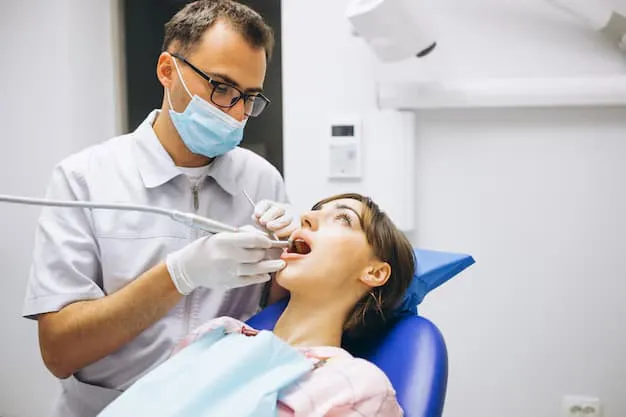

Dental problems can sometimes appear suddenly and cause significant discomfort, making it difficult to know whether immediate attention is required. While some issues can wait for a routine appointment, others may need prompt assessment to prevent further complications. When searching for an emergency dentist near me, patients should understand which symptoms may require urgent dental care and what steps can be taken while waiting for an appointment. Recognising warning signs early can help patients respond appropriately and avoid leaving potentially serious dental problems untreated.
Understanding Dental Emergencies
A dental emergency generally involves pain, injury, infection, or another problem that requires prompt professional assessment. Severe toothache, a knocked out tooth, significant swelling, or damage caused by an accident can all require urgent attention. Not every dental concern needs immediate treatment, but persistent or worsening symptoms should not be ignored. Patients should consider the severity of the problem, how quickly it developed, and whether normal activities such as eating or sleeping have become difficult. When in doubt, professional advice can help determine the appropriate next step.
Severe or Persistent Toothache
A sudden or intense toothache can have several possible causes, including decay, infection, damage, or irritation affecting the inner part of a tooth. Pain that remains severe despite ordinary measures should be assessed by a dental professional. Patients should avoid relying on temporary relief for an extended period because the underlying cause may continue to develop. If toothache is accompanied by swelling, fever, or difficulty opening the mouth, the need for prompt assessment may become more important. Early professional attention can help identify the cause and determine suitable treatment.
Dental Injuries and Broken Teeth
Accidents can cause teeth to chip, crack, fracture, loosen, or become displaced. Sports injuries, falls, and impacts to the face are common situations in which dental damage can occur. A damaged tooth should be assessed as soon as reasonably possible, particularly if there is pain, bleeding, or sensitivity. Patients should avoid chewing on the affected area and should not attempt to reposition a damaged tooth themselves. Prompt dental assessment can help determine the extent of the injury and whether the tooth can be protected or restored.
A Knocked Out Tooth
A completely knocked out permanent tooth requires prompt attention because timely care may affect the available treatment options. The tooth should be handled carefully by the crown rather than the root whenever possible. If it is dirty, gentle rinsing may be appropriate, but vigorous scrubbing should be avoided. Patients should seek urgent professional dental advice rather than waiting for a routine appointment. Children with knocked out baby teeth require different management, so parents should seek professional guidance rather than attempting to replace a baby tooth themselves.
Swelling Around the Mouth or Jaw
Swelling affecting the gums, cheek, face, or jaw can sometimes be associated with a dental infection. When swelling develops alongside severe pain, fever, difficulty swallowing, or difficulty breathing, urgent medical attention may be necessary. Dental infections should not be ignored because they can sometimes progress beyond the original area. Patients experiencing noticeable swelling should seek professional advice promptly to determine the appropriate response. A dental professional can assess the possible cause and advise whether urgent treatment is required or whether additional medical care may be appropriate.
Signs of Possible Infection
Dental infections can cause symptoms such as persistent pain, swelling, sensitivity, an unpleasant taste, or discharge around an affected tooth. Some patients may also experience fever or feel generally unwell. These symptoms should be taken seriously, particularly when they develop quickly or become progressively worse. Antibiotics are not always the main treatment for a dental infection because the underlying dental cause may still need to be addressed. Professional assessment can help determine the source of the problem and identify the most suitable treatment.
Bleeding After a Dental Injury
Bleeding can occur after an injury to the mouth, particularly when the gums, lips, or tongue have been damaged. Minor bleeding may settle with gentle pressure using clean gauze or a clean cloth. However, heavy or persistent bleeding requires professional assessment. Patients should seek urgent help if bleeding does not stop or if there are other serious symptoms following an accident. Dental injuries can sometimes involve damage that is not immediately visible, so professional evaluation may be useful even when the initial discomfort appears manageable.
Lost Fillings or Dental Restorations
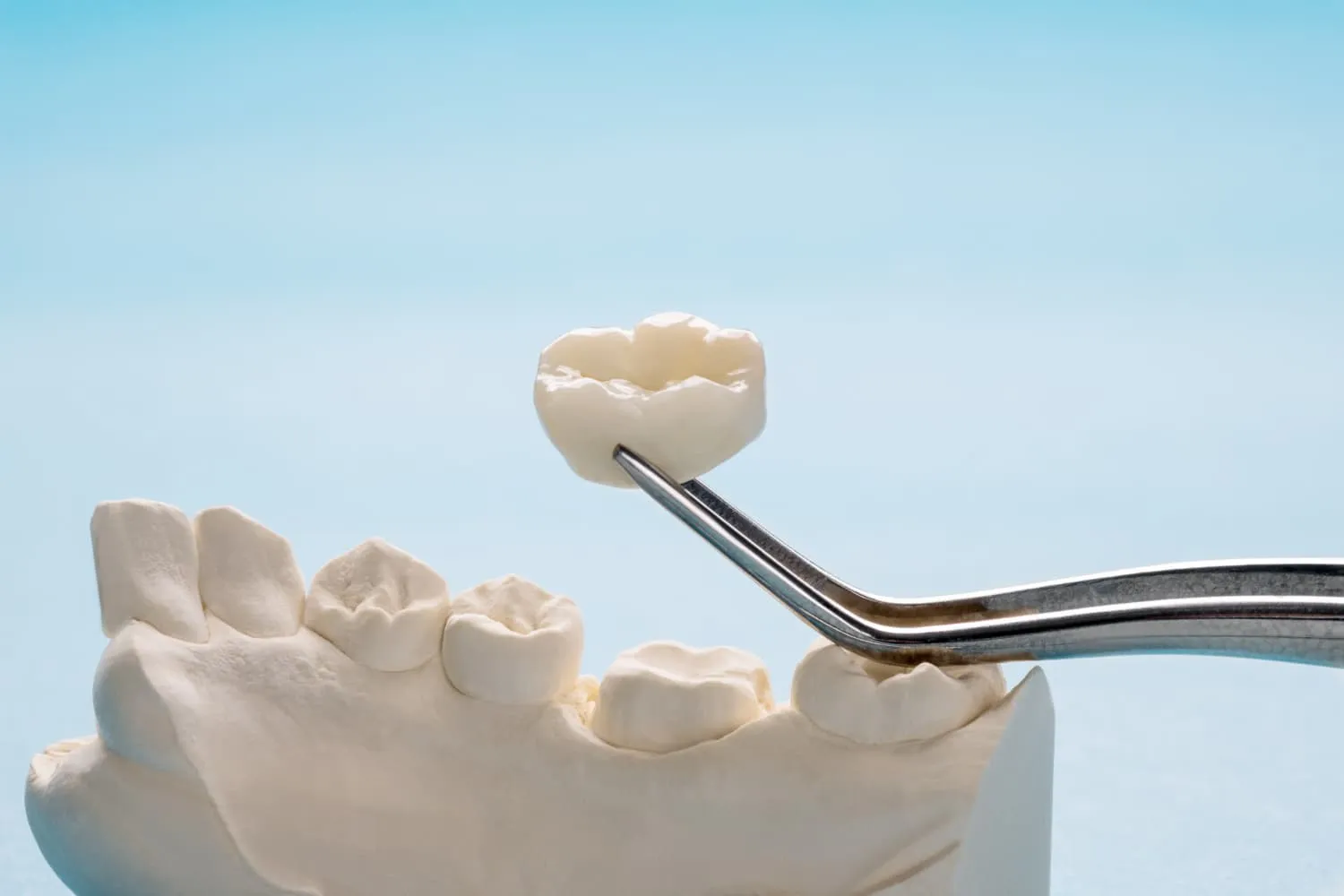
A filling, crown, bridge, or other restoration can sometimes become loose or fall out unexpectedly. Although this may not always constitute a serious emergency, exposed tooth structure can become sensitive and vulnerable to further damage. Patients should contact a dental professional for advice and arrange an appointment when appropriate. The affected area should be kept clean, and patients should avoid chewing hard foods on that side of the mouth. Prompt attention can help protect the tooth while a suitable repair or replacement is considered.
What to Do Before an Emergency Appointment
While waiting for professional advice, patients should avoid actions that could worsen the problem. A damaged tooth should not be repeatedly touched or tested, and extremely hot or cold foods may be uncomfortable when sensitivity is present. Gentle cleaning can help keep the mouth reasonably clean, provided it does not cause additional pain. Patients should also provide clear information about the symptoms, when they began, and whether the problem followed an injury. This information can help the dental team understand the urgency and prepare for the appointment.
Knowing When Medical Help Is Needed
Some dental emergencies may also require urgent medical attention. Difficulty breathing or swallowing, rapidly increasing facial swelling, serious facial injuries, uncontrolled bleeding, or signs of a severe infection should not be managed solely through a routine dental appointment. In such situations, patients should seek appropriate emergency medical assistance. Understanding this distinction is important because certain symptoms can indicate a problem extending beyond the teeth and gums. Professional advice can help determine whether dental treatment, medical treatment, or both are needed.
Preventing Future Dental Emergencies
Not every dental emergency can be prevented, but regular oral care can reduce the risk of some problems. Routine dental examinations can help identify decay, weakened teeth, gum problems, and failing restorations before they cause sudden symptoms. Good brushing and interdental cleaning can also support healthier teeth and gums. Patients involved in contact sports may benefit from suitable mouth protection. Avoiding habits such as biting hard objects can further reduce the risk of chips and fractures. Consistent preventive care can therefore play an important role in protecting oral health.
Final Thoughts
Knowing when to seek urgent dental attention can help patients respond more confidently when unexpected problems occur. Severe pain, dental injuries, swelling, infection symptoms, persistent bleeding, and damaged restorations may all require prompt professional assessment depending on their severity. Patients should avoid delaying care when symptoms are worsening or accompanied by serious warning signs. For those requiring professional support with urgent dental concerns, Cyncoed Dental Practice can provide appropriate guidance and help patients understand the next steps for protecting their oral health.



















Sign in to leave a comment.