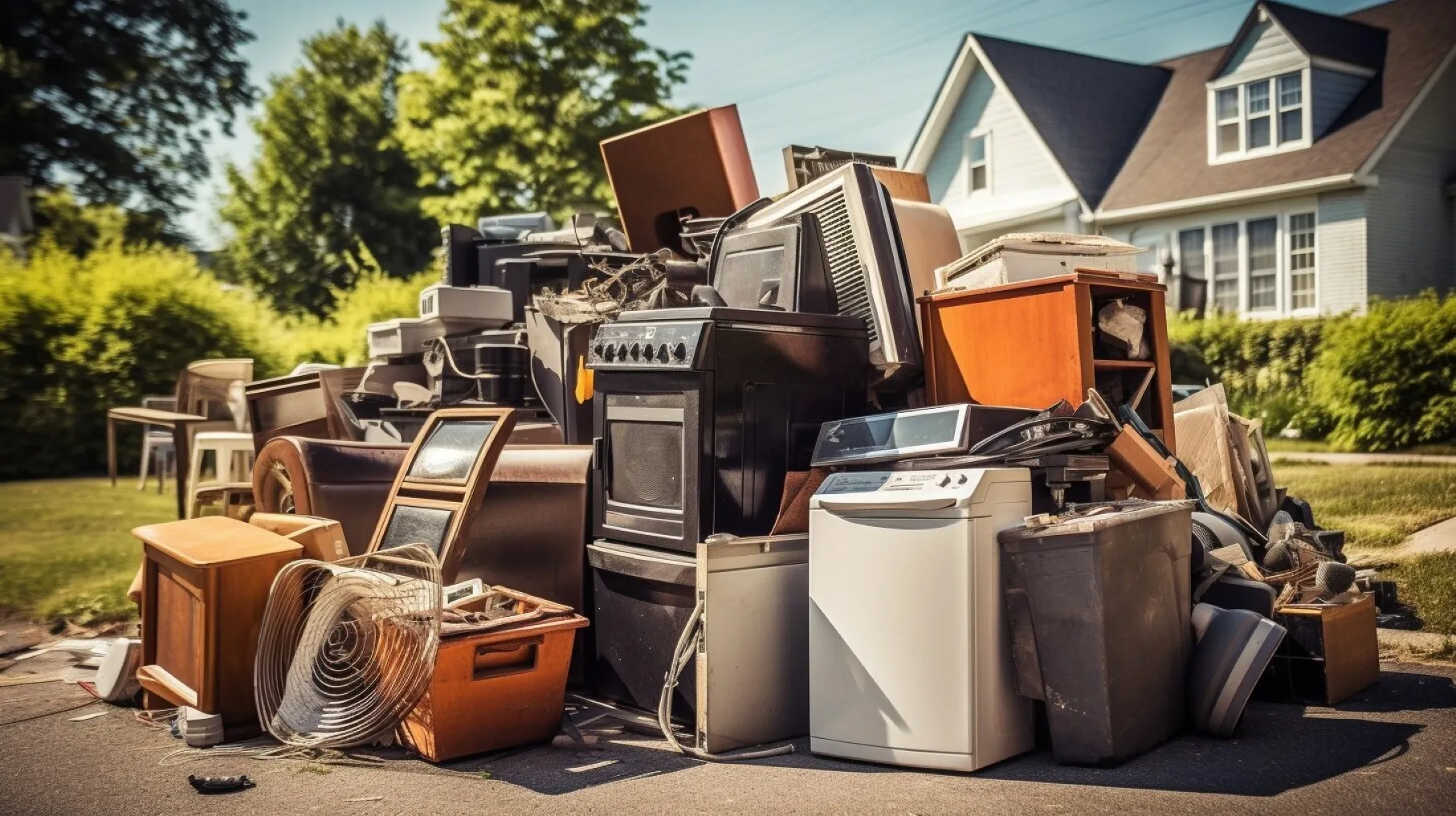

Getting rid of bulky household items can be challenging when they no longer fit your space. If you need junk removal in Toronto, you have several options for donating, selling, recycling, or responsibly disposing of old furniture and appliances.
Instead of leaving unwanted items on the curb without checking local requirements, consider whether they can still benefit someone else. A little planning can help you clear your home while reducing unnecessary waste.
Sell Furniture and Appliances That Still Work
Old does not always mean unusable. Furniture with a solid structure, working appliances, and household items in reasonable condition may still have value.
Selling these items can be a practical first step before considering disposal. You can create a classified ad with clear details about the item's condition, size, age, features, and asking price.
Platforms such as MarketLister.ca allow people to post classified ads and browse listings based on their needs. This can help connect homeowners who want to clear unwanted items with local buyers searching for affordable furniture or appliances.
When creating a listing, include:
- Clear, recent photos
- Accurate measurements
- Brand and model information for appliances
- Any visible damage or wear
- Whether the item works properly
- Pickup details and general location
- A reasonable asking price
Honest descriptions make it easier for potential buyers to decide whether the item suits their needs.
Donate Usable Household Items
Donation is another option when furniture or appliances are still in usable condition but you no longer need them. Charitable organizations, community groups, and reuse programs may accept certain household items.
However, acceptance rules vary. Some organizations may only accept specific furniture types, while others may have requirements concerning cleanliness, age, size, or working condition.
Before arranging a drop-off, contact the organization and confirm that it accepts your particular item. For large furniture, also ask whether pickup services are available.
Look for Local Reuse Opportunities
Sometimes the easiest way to keep an item out of the waste stream is to give it away directly. A table, bookshelf, dresser, chair, or working appliance may be useful to another household.
A local classified platform can make this process easier. Instead of throwing something away immediately, you can post a listing describing the item as free or available for pickup.
MarketLister.ca provides a place to post ads and find listings according to different needs. This makes classified advertising useful for people who want to pass along household items without going through a traditional retail process.
Recycle Old Appliances Properly
Some appliances contain materials that should be handled through appropriate recycling channels. Refrigerators, freezers, air conditioners, washing machines, dryers, and other large appliances may require special handling.
Before taking an appliance somewhere, check the current requirements of the recycling facility or collection service. Certain appliances may need to be prepared before collection, while others may qualify for specific municipal programs.
Recycling can help recover materials such as metal, glass, and certain components instead of sending the entire appliance to a landfill.
Check Toronto Collection and Disposal Options
Toronto residents have access to municipal waste and recycling services, but collection rules can differ depending on the type and size of the item.
For large furniture or appliances, check the city's current guidelines before putting anything outside for collection. Some items may qualify for scheduled collection, while others may require a different disposal method.
Pay attention to requirements for oversized items, appliances, mattresses, electronics, and materials that need special handling. Following the correct process can prevent missed collection and unnecessary dumping.
Hire a Junk Removal Service
When furniture and appliances are too large, heavy, damaged, or numerous to handle yourself, professional removal may be more convenient.
A junk removal company can typically collect unwanted items from your property and handle transportation. This can save time when clearing a basement, garage, apartment, office, or entire home.
If you are considering junk removal, compare services carefully. Ask about pricing, item restrictions, pickup procedures, and whether recycling or donation is included.
Getting a clear quote before scheduling service can also help you avoid unexpected costs.
Prepare Items Before Removal
Whichever disposal method you choose, preparing your items can make the process easier.
For furniture, remove loose objects and detachable parts where practical. Clean surfaces and take accurate measurements if you plan to sell or donate them.
For appliances, remove food, liquids, and personal belongings. Follow manufacturer or service-provider instructions for disconnecting appliances, particularly those connected to gas, water, or electrical systems.
If an appliance contains refrigerant or other regulated components, do not attempt to dismantle it yourself unless you have the appropriate knowledge and authorization.
Use Classified Ads Before Throwing Items Away
One of the simplest ways to reduce household clutter is to see whether someone else wants the item first.
A classified listing can work especially well for furniture and appliances that remain functional. You can reach people looking for lower-cost alternatives while potentially recovering some money from items you no longer use.
MarketLister.ca gives sellers a convenient way to create listings and gives buyers a place to search for available items. Whether you want to sell an old dresser, give away a table, or list a working appliance, classified advertising can be worth considering before disposal.
Final Thoughts
Old furniture and appliances do not always need to go straight to the landfill. Depending on their condition, you can sell, donate, give away, recycle, use municipal collection services, or arrange professional removal.
Start by checking whether the item still has practical value. If it does, consider creating a classified listing on MarketLister.ca. For items that are damaged, oversized, or difficult to handle, junk removal in Toronto may provide a more convenient solution.
The right choice depends on the item's condition, size, disposal requirements, and your available time. A little research can help you clear unwanted household items responsibly and efficiently.
FAQs
1. Can I sell old furniture instead of throwing it away?
Yes. If the furniture is functional and in reasonable condition, you can create a classified listing with photos, measurements, condition details, and your asking price.
2. Where can I donate old appliances?
Donation options vary by organization and appliance type. Contact local charities or reuse organizations before visiting to confirm whether they accept the specific appliance and whether pickup is available.
3. Can large furniture be recycled?
Some furniture contains recyclable materials, but recycling options depend on its construction and local facilities. Check the available municipal or private recycling programs before disposal.
4. What should I do with a broken appliance?
Check whether the appliance qualifies for a municipal collection or recycling program. For large or difficult-to-handle items, a professional removal service may also be an option.
5. Is it better to sell, donate, or remove old furniture?
It depends on the item's condition and your priorities. Usable items may be sold or donated, while heavily damaged or unsafe items may require appropriate disposal or removal.






















Sign in to leave a comment.