

Walk into a showroom selling used office furniture and you might wonder: Where did all this furniture actually come from?
The desks, chairs, filing cabinets, meeting tables and storage units haven't appeared out of nowhere. In many cases, they have recently been sitting in offices across the UK, offices that have downsized, relocated, changed their layout or simply reached the end of a lease.
There is a surprisingly organised journey between an office deciding it no longer needs its furniture and another business buying that furniture at a lower price.
Understanding that journey also explains why buying used furniture can be a practical alternative to purchasing everything new and why the first step is often an efficient office furniture clearance.
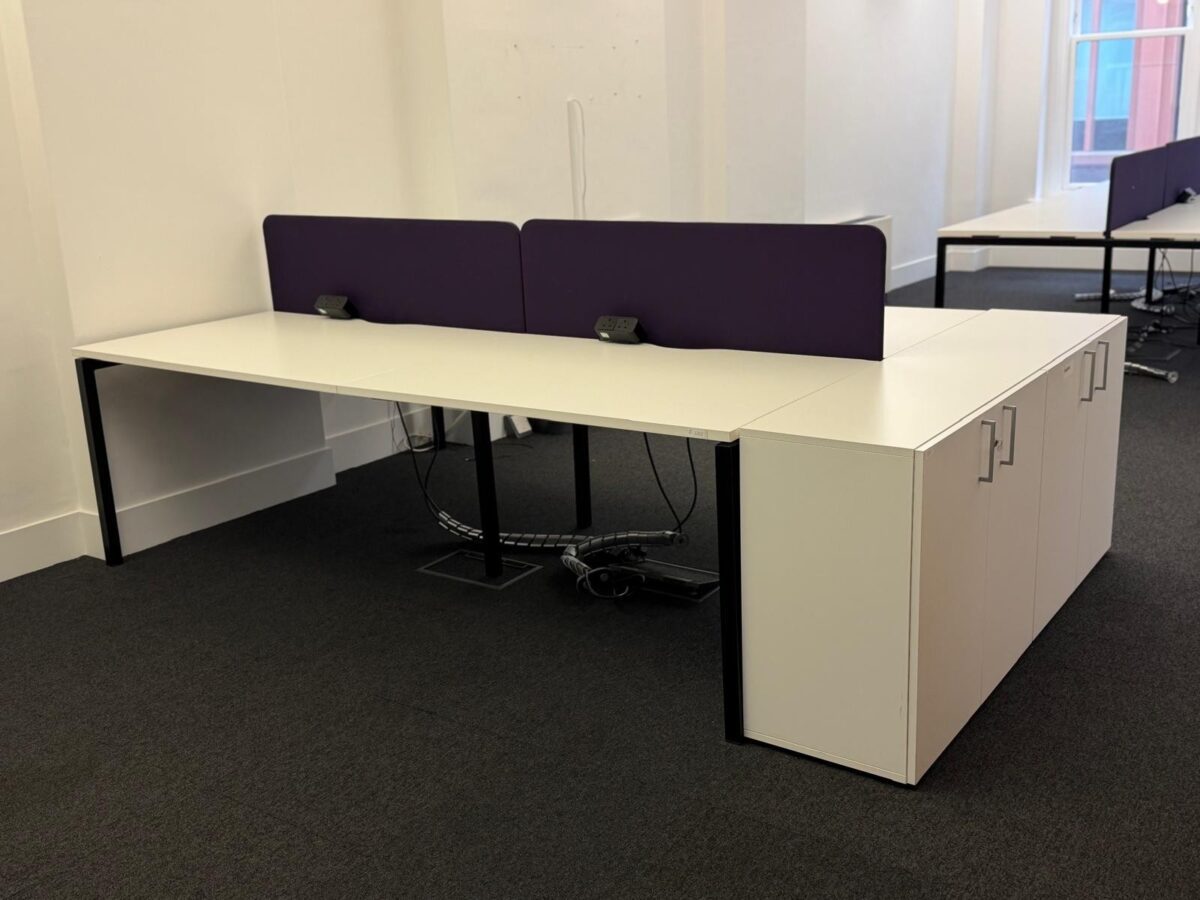
Where Does Used Office Furniture Come From?
There isn't one single source.
Used office furniture typically enters the resale market when businesses no longer have a practical reason to keep it.
The most common situations include:
Corporate Downsizing
A company may reduce its workforce without replacing its furniture.
For example, an office designed for 150 employees may suddenly need to accommodate only 80. Keeping 70 unused desks and chairs in storage isn't particularly useful, especially when commercial space is expensive.
Rather than disposing of everything, the company may arrange for suitable furniture to be collected for reuse.
Office Relocations
Moving premises creates another common source of used furniture.
A business might move from a large traditional office into a smaller or more flexible workspace. Existing desks may not fit the new floor plan, or the company may decide to change its furniture style completely.
Some furniture therefore becomes surplus even though it remains perfectly functional.
Lease-End Clearances
Commercial leases often bring a deadline with them.
When a tenant leaves a property, the office may need to be cleared before handing the space back to the landlord. Furniture that cannot move to the company's next premises has to go somewhere.
This is where professional clearance can make the process considerably easier.
Instead of employees trying to dismantle desks, move cabinets and find separate disposal routes, a clearance team can assess what can be removed, reused, recycled or disposed of appropriately.
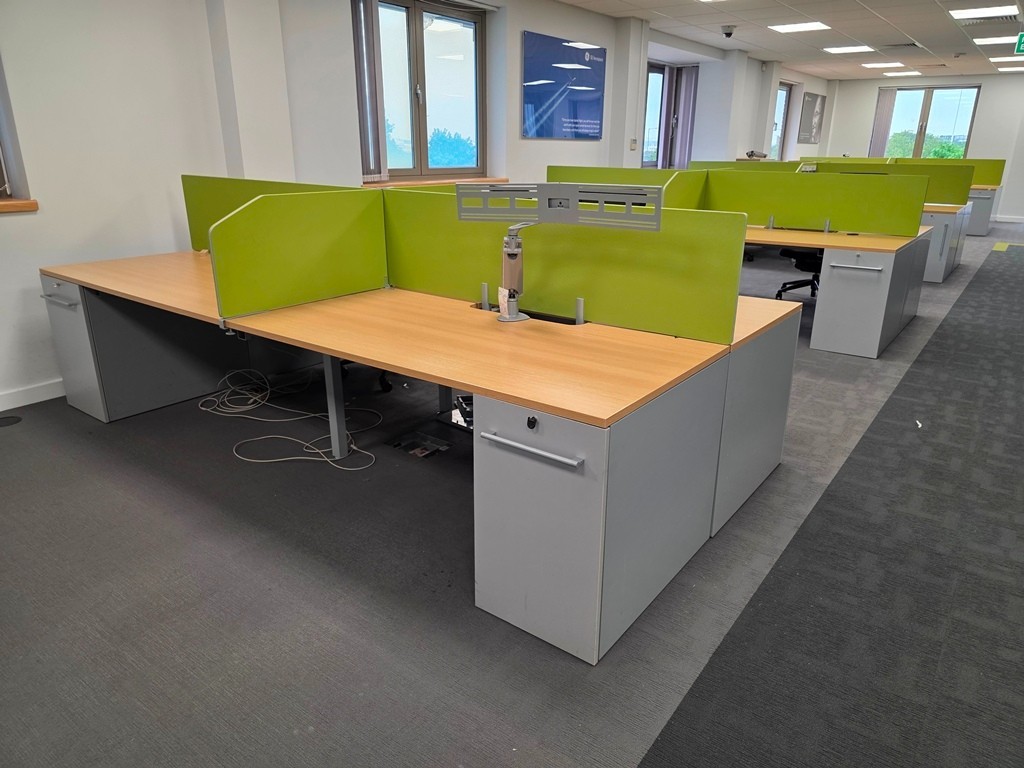
What Happens During Office Clearance?
The process isn't necessarily as simple as “take everything away.”
A typical clearance begins with an assessment of what is actually there.
Furniture may be separated into categories such as:
- Suitable for resale
- Suitable for reuse or donation
- Suitable for recycling
- Damaged or unsuitable for further use
Condition matters.
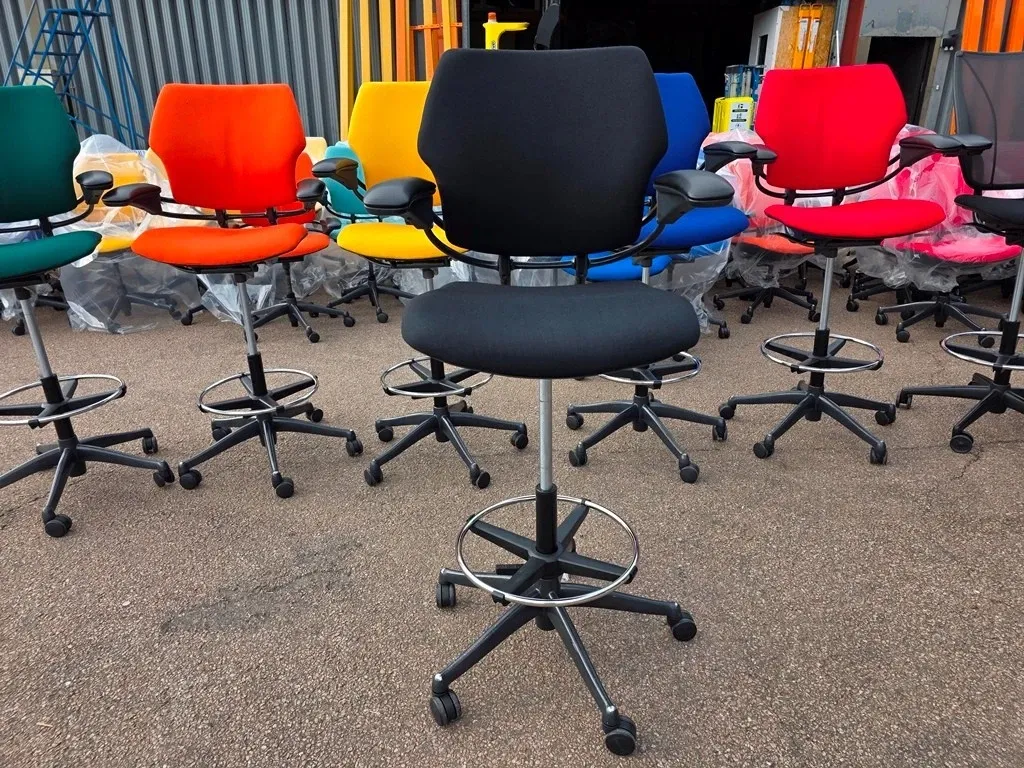
A lightly used ergonomic office chair may have considerable resale value. A heavily damaged desk with broken components probably doesn't.
The objective is to avoid treating every item as waste.
This is one of the important differences between clearance and simply throwing furniture away.
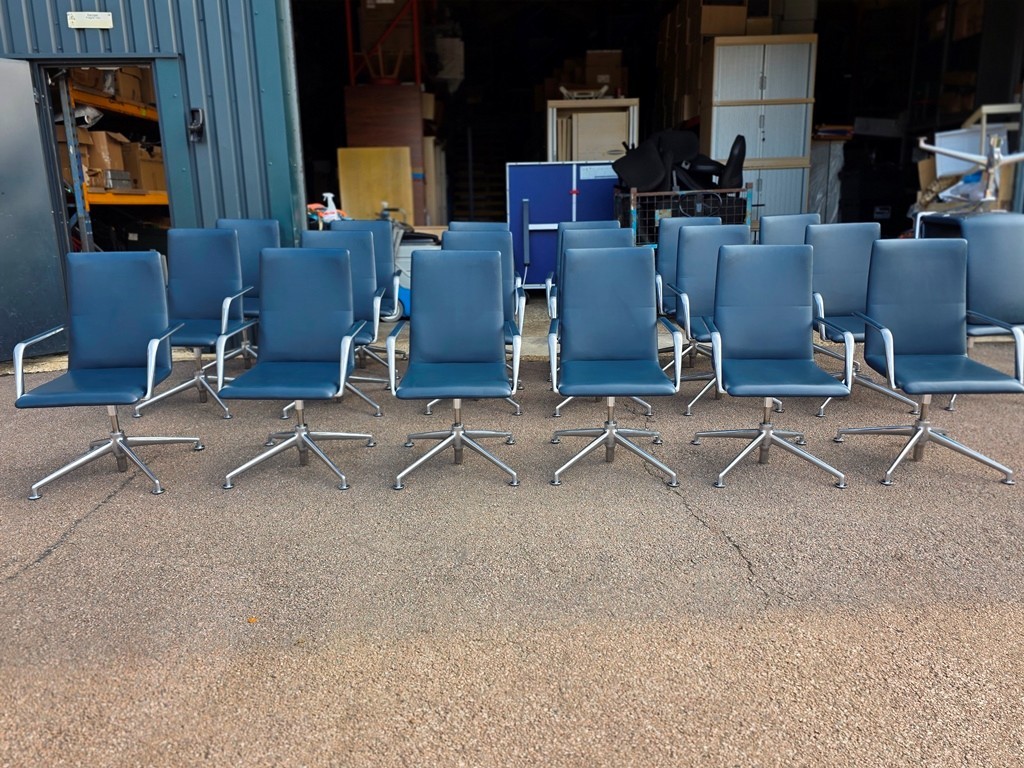
What Happens to Furniture That Can Be Resold?
Once suitable furniture has been removed, it may go through several stages before reaching another buyer.
The process can include:
Clearance → Collection → Inspection → Cleaning → Repair or refurbishment → Storage → Resale
Not every item goes through every stage.
A good-condition desk might need little more than cleaning and inspection. A chair may require replacement parts or refurbishment before it is ready for another workplace.
Furniture is then photographed, catalogued and offered to buyers through the appropriate resale channels.
This is how one company's unwanted furniture can become another company's affordable office fit-out.
Does “Used” Mean Poor Quality?
Not necessarily.
Office furniture can become surplus for reasons that have nothing to do with its condition.
A company may replace its entire workspace because of:
- A change in office design
- A relocation
- Downsizing
- A change in working arrangements
- Lease expiry
- Corporate rebranding
The furniture may still have years of useful life left.
That is one reason the used office furniture market exists in the first place.
Of course, buyers should still inspect furniture carefully. Check the condition of chairs, desk mechanisms, drawer runners, electrical components and other moving parts before purchasing.
“Used” describes the furniture's history, not automatically its quality.
Why Businesses Sell Rather Than Store It
Storage can seem like the obvious answer when furniture is no longer needed.
But storing hundreds of desks and chairs creates its own costs.
Businesses have to consider:
- Storage space
- Transport
- Handling
- Insurance
- Future demand
- Staff time
- The possibility that the furniture will eventually become obsolete
For a company undergoing a relocation or downsizing exercise, clearing surplus furniture can be more practical than keeping it “just in case.”
This is where a well-organised used office furniture clearance process can become part of a wider property or workplace transition rather than an afterthought.
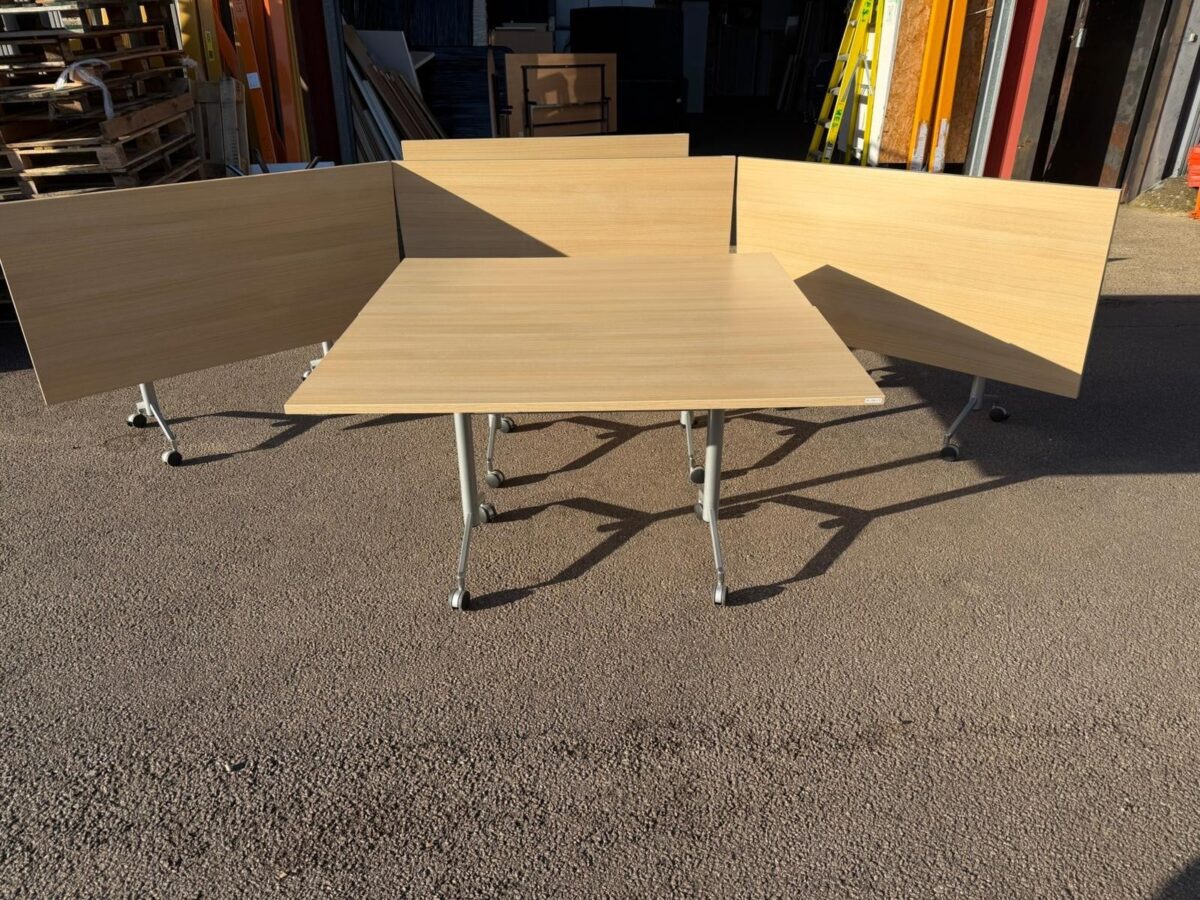
What Happens to Furniture That Can't Be Resold?
Not everything makes it into the resale market.
Furniture that's broken, unsafe, heavily damaged or uneconomical to refurbish may need a different route.
Depending on the material and condition, components can potentially be separated for recycling.
Metal, wood, plastics and other materials may have recycling options, while some items may require appropriate disposal.
This is important because a responsible clearance process isn't simply about finding someone willing to take the furniture.
It is about deciding where each item should go.
The ideal outcome is to keep usable furniture in circulation for as long as practical and send unsuitable materials through appropriate waste or recycling channels.
Who Buys Used Office Furniture?
The resale market isn't limited to large corporations.
Used office furniture can appeal to:
- Start-ups
- Small businesses
- Home-office users
- Charities
- Community organisations
- Flexible workspaces
- Schools and training centres
- Businesses fitting out temporary offices
For a smaller organisation, buying quality used furniture can make it possible to furnish a workplace without paying the cost of purchasing everything new.
It can also shorten the time needed to complete a fit-out when suitable stock is already available.
The Circular Journey of an Office Desk
Consider a typical desk.
It starts in Company A's office.
Five years later, Company A relocates. The desk doesn't fit the new workspace, so it is included in the clearance.
The desk is collected, inspected and cleaned. If it is still structurally sound, it enters the resale market.
Company B is setting up a new office and needs 20 desks. Rather than buying new, it purchases refurbished or used desks.
The same desk now has a second working life.
Eventually, when it is no longer usable, its materials may be recycled.
That is the basic principle behind the clearance-to-resale pipeline:
One business's surplus can become another business's resource.

What Should a Business Do With Furniture It No Longer Needs?
If you're planning a relocation, downsizing or lease-end clearance, don't wait until the final few days to decide what happens to the furniture.
Start by creating an inventory.
Identify:
- What needs to move?
- What is surplus?
- What is in good enough condition for reuse or resale?
- What needs repair?
- What is beyond practical reuse?
- When does the building need to be cleared?
Getting these answers early makes the process much easier to manage.
It also gives clearance providers enough time to plan access, dismantling, transport and appropriate routes for the furniture.
The Bigger Picture
The used office furniture market isn't simply a collection of unwanted desks being sold cheaply.
There is a chain behind it.
Businesses downsize. Offices relocate. Leases end. Furniture becomes surplus. Clearance teams remove and sort it. Suitable pieces are cleaned, repaired or refurbished. Resellers put them back into the market. Another business gives them a second life.
And that process starts with a simple decision:
Does this furniture really need to become waste?
For businesses facing an office move or closure, that question is worth asking before everything is loaded into a skip. With the right planning, surplus furniture can be cleared efficiently while giving usable items another opportunity to serve a workplace.



















Sign in to leave a comment.