

Japan is known for ancient temples, peaceful gardens, and centuries-old traditions, but it is also one of the world's leading destinations for contemporary art and innovative architecture. Across the country, you'll discover museums designed by world-famous architects, futuristic cityscapes, minimalist galleries, and islands transformed into open-air art experiences.
Whether you're passionate about modern design or simply looking for unforgettable cultural attractions, Japan offers countless opportunities to explore creativity in every form. From Tokyo's cutting-edge buildings to peaceful art islands in the Seto Inland Sea, every destination tells a unique story about Japanese culture, innovation, and craftsmanship.
This guide highlights some of the most remarkable design destinations in Japan, helping travelers discover both iconic landmarks and hidden artistic treasures while providing a practical guide to Japan's architecture.
Tokyo: A Living Museum of Contemporary Design
Tokyo perfectly blends futuristic architecture with traditional Japanese aesthetics. Every neighborhood has its own personality, making the city one of the most exciting places for architecture enthusiasts.
In Omotesando, elegant boutiques designed by internationally acclaimed architects line the tree-covered boulevard. Buildings by Tadao Ando, Toyo Ito, and Herzog & de Meuron transform ordinary shopping into an architectural experience.
Nearby, the Mori Art Museum combines contemporary exhibitions with panoramic views of the Tokyo skyline. The surrounding Roppongi Hills complex itself demonstrates how architecture can shape an entire urban environment.
Another must-visit is the National Art Center Tokyo. Rather than maintaining a permanent collection, the museum hosts rotating exhibitions inside one of Japan's most recognizable buildings. Its sweeping glass façade and flowing interior spaces make the building just as impressive as the artwork it houses.
For travelers interested in modern cities, Tokyo serves as an outstanding introduction to the country's evolving architectural identity.
Naoshima: Japan's World-Famous Art Island
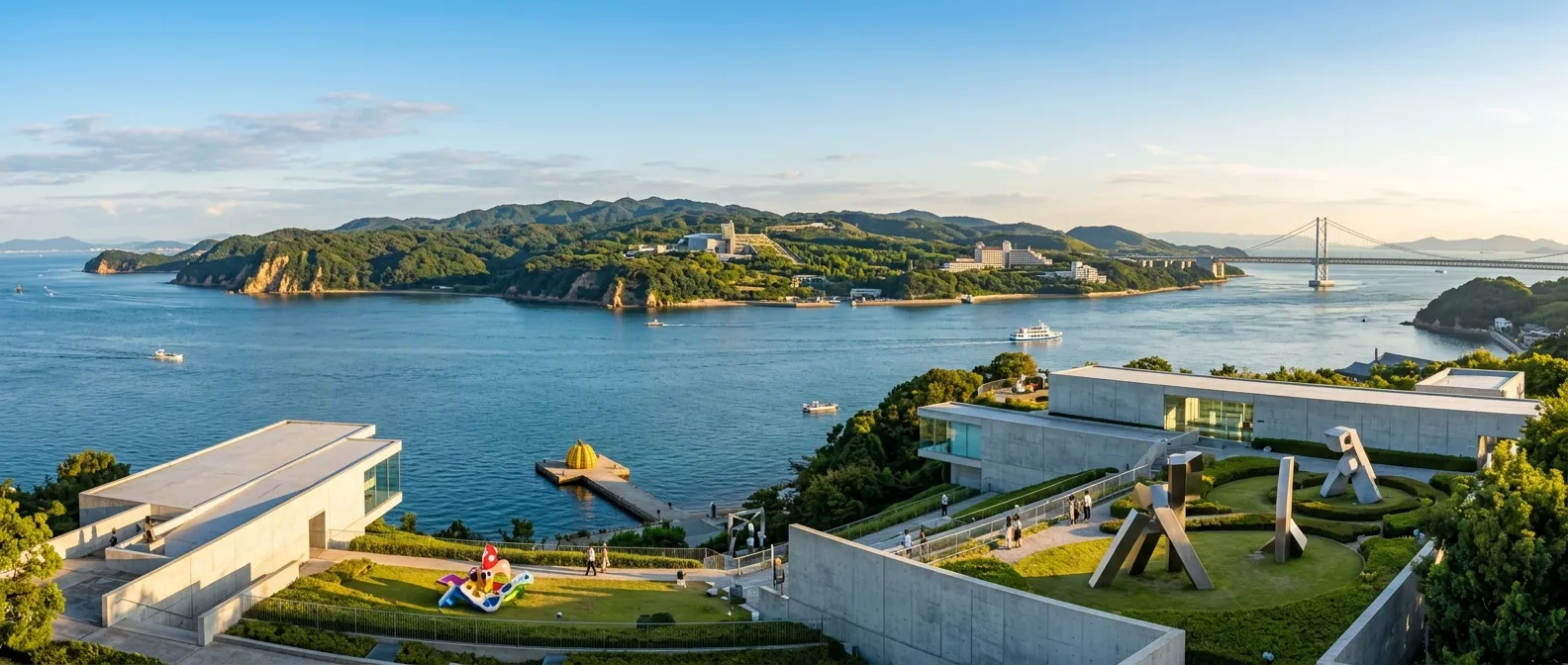
Few places represent the relationship between art, architecture, and nature as beautifully as Naoshima. Located in the Seto Inland Sea, this quiet island has become one of the world's most celebrated iconic art spaces in Japan.
The Benesse House Museum, designed by renowned architect Tadao Ando, seamlessly integrates galleries, accommodation, and surrounding landscapes. Visitors can admire world-class contemporary artworks while enjoying stunning sea views.
Outside, large-scale installations—including Yayoi Kusama's famous pumpkin sculptures—have become symbols of modern Japanese art.
The Chichu Art Museum offers an entirely different experience. Built mostly underground, natural sunlight becomes part of every exhibition, changing how visitors experience each artwork throughout the day.
Rather than separating architecture from nature, Naoshima demonstrates how thoughtful design can enhance the surrounding environment while encouraging slow, meaningful exploration.
Kanazawa: Where Traditional Craft Meets Modern Creativity
Kanazawa is often celebrated for preserving Japan's historic atmosphere, yet it also embraces contemporary architecture and artistic innovation.
The 21st Century Museum of Contemporary Art stands at the heart of the city. Its circular glass design creates an open, welcoming atmosphere where visitors can move freely between indoor and outdoor spaces.
One of its most famous installations, Leandro Erlich's "Swimming Pool," creates a playful illusion that continues to attract visitors from around the world.
Beyond the museum, Kanazawa's traditional craft districts showcase how centuries-old techniques continue to influence modern Japanese design. Gold leaf artisans, ceramic studios, and lacquerware workshops demonstrate that innovation often grows from respecting tradition.
This balance between heritage and creativity makes Kanazawa one of the finest design destinations in Japan.
Osaka and Kyoto: Contrasting Architectural Experiences
While Kyoto is famous for its temples, it also offers impressive examples of modern architecture that respect historical surroundings.
The Kyoto Station Building surprises many first-time visitors with its enormous steel-and-glass structure. Despite standing beside centuries-old temples, the station has become one of Japan's most celebrated examples of contemporary urban design.
Nearby, the Kyoto International Conference Center combines natural surroundings with clean geometric forms, reflecting Japanese architectural principles of harmony and simplicity.
Osaka provides a striking contrast. Here, bold skyscrapers and ambitious engineering projects dominate the skyline.
The Umeda Sky Building remains one of Japan's most recognizable modern structures. Its floating observation deck offers panoramic city views while showcasing innovative engineering rarely seen elsewhere.
Together, Kyoto and Osaka reveal how modern architecture can either complement history or confidently redefine an urban landscape.
Hidden Artistic Destinations Beyond Major Cities
Some of Japan's most memorable artistic experiences are found outside the country's biggest cities.
Teshima Art Museum offers one of the world's most unique museum experiences. Rather than filling rooms with paintings, the building itself becomes the artwork. Natural light, water droplets, and silence encourage visitors to reflect on the relationship between people and nature.
In Towada, the Towada Art Center transforms an entire city into a contemporary art destination with outdoor sculptures and immersive installations scattered throughout public spaces.
Meanwhile, Hakone combines impressive museums with beautiful mountain scenery. The Hakone Open-Air Museum displays sculptures among gardens while allowing visitors to appreciate art against spectacular natural landscapes.
Exploring these lesser-known locations rewards travelers with quieter experiences and a deeper understanding of Japan's commitment to public art and thoughtful design.
Tips for Planning an Art and Architecture Journey Across Japan
Creating an itinerary focused on art and architecture allows travelers to experience Japan from a different perspective.
Spring and autumn offer comfortable weather for exploring outdoor sculptures, architectural walking tours, and museum districts. Many museums also host seasonal exhibitions, making repeat visits worthwhile.
Japan's extensive rail network makes it easy to connect major cultural destinations. Travelers can combine Tokyo, Kanazawa, Kyoto, Osaka, and Naoshima into a rewarding itinerary while discovering regional artistic traditions along the way.
When visiting museums, allow extra time simply to appreciate the buildings themselves. In Japan, architecture is rarely just a container for art—it often becomes part of the exhibition.
Finally, don't overlook smaller galleries, local design shops, and community art spaces. These hidden gems often provide authentic insights into Japan's evolving creative culture beyond internationally famous attractions.
Conclusion
Japan's artistic landscape extends far beyond museum walls. Across bustling cities, peaceful islands, and historic towns, architecture and contemporary art work together to create unforgettable travel experiences.
From Tokyo's innovative skyline to Naoshima's tranquil galleries, every destination reveals another chapter in Japan's creative story. Whether you're fascinated by minimalist buildings, immersive installations, or traditional craftsmanship reimagined for modern audiences, these iconic art spaces in Japan showcase the country's remarkable ability to blend innovation with cultural heritage.
For travelers seeking inspiring design destinations in Japan, exploring these remarkable locations offers much more than sightseeing—it provides a deeper appreciation for how art, architecture, and everyday life come together across the country. This guide to Japan's architecture is only the beginning of an unforgettable cultural journey.





















Sign in to leave a comment.