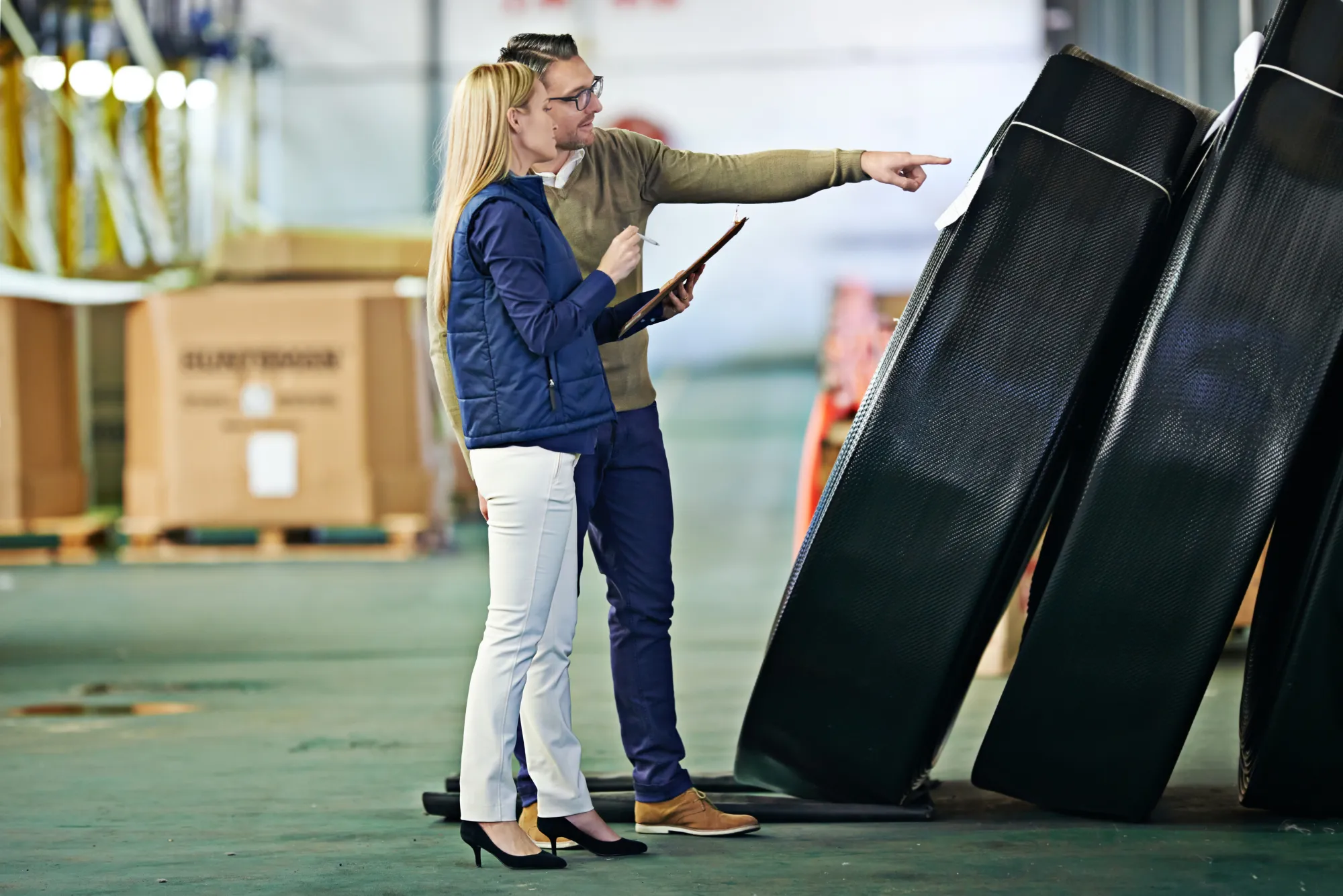

Finding the right supplier for lifting equipment is an important step for businesses that rely on safe and efficient material handling every day. Industrial operations require dependable products that meet demanding performance standards while supporting workplace safety. Find a Lawless Group Lift-All distributor offers a practical way to locate trusted sources for quality lifting products that match specific operational needs. Choosing the right distributor helps organizations gain access to reliable equipment, knowledgeable guidance, and dependable customer support throughout the purchasing process.
Why Choosing the Right Distributor Matters
Selecting the right distributor is about much more than purchasing lifting products. A dependable supplier helps customers understand product options, proper applications, and maintenance requirements while ensuring that equipment meets industry expectations. Working with an experienced distributor also reduces uncertainty during the buying process because customers receive accurate recommendations based on their lifting challenges. This level of professional support contributes to safer operations, improved productivity, and better long term value for businesses across many industries.
Reliable Product Availability
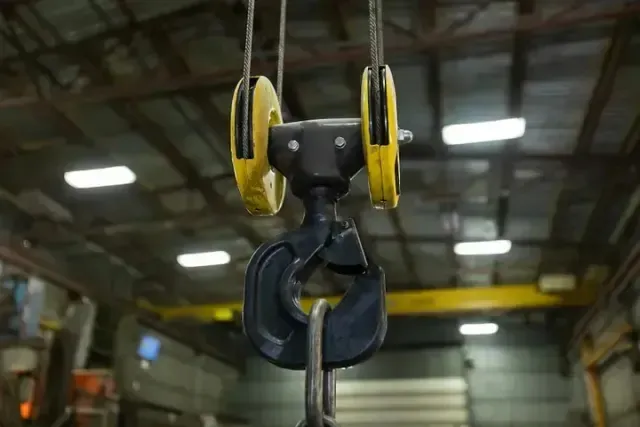
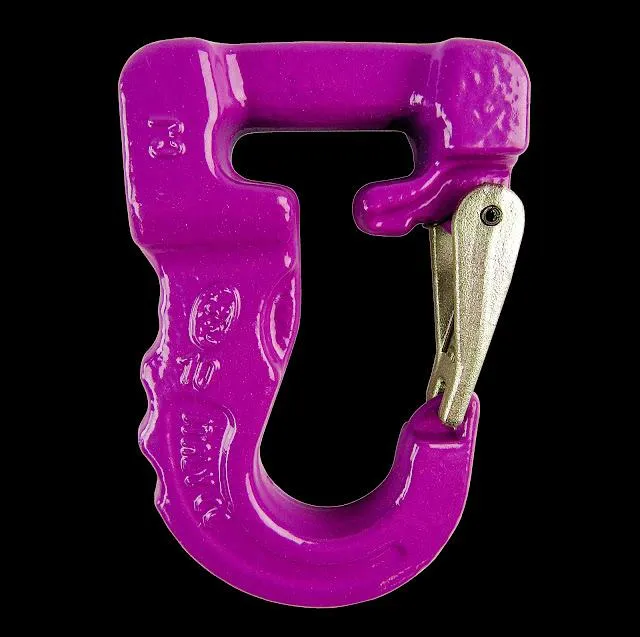
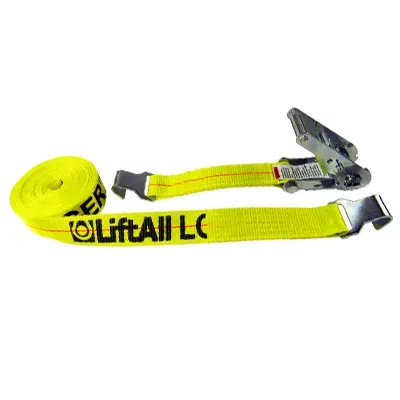
A trusted distributor maintains access to a broad selection of lifting equipment suitable for different industries and applications. Whether a customer needs synthetic slings, chain assemblies, wire rope products, or lifting accessories, product availability plays a major role in minimizing delays. Reliable inventory allows businesses to replace worn equipment quickly, helping projects stay on schedule without compromising workplace safety. Consistent product availability also makes future purchasing easier by creating a dependable source for ongoing operational requirements.
Professional Product Knowledge
Knowledgeable distributors understand lifting equipment and its intended applications. They assist customers in selecting products with appropriate load capacities, materials, and configurations based on the specific lifting environment. Their expertise helps reduce the possibility of selecting unsuitable equipment that may create unnecessary risks or operational inefficiencies. Access to professional guidance provides confidence throughout the purchasing process and supports informed decision making for organizations with varying lifting requirements.
Understanding Industrial Lifting Product Requirements
Every lifting operation presents unique challenges depending on the type of load, work environment, and equipment involved. Understanding these factors before purchasing lifting products helps organizations choose suitable solutions that support safe handling practices. Careful planning also reduces unnecessary costs associated with incorrect product selection, premature replacement, or equipment incompatibility. Evaluating operational needs before contacting a distributor creates a smoother purchasing experience and improves long term satisfaction.
Load Weight and Capacity
One of the first considerations involves accurately determining the weight of the load being lifted. Selecting products with appropriate working load limits helps maintain safe lifting practices while supporting efficient operations. Choosing equipment without considering load capacity may increase operational risks and shorten product lifespan. Proper load assessment remains one of the most important steps before purchasing any lifting equipment from an authorized distributor.
Environmental Conditions
Industrial environments differ significantly from one workplace to another. Some operations involve exposure to moisture, chemicals, high temperatures, or outdoor conditions that influence product performance. Understanding environmental factors helps customers choose materials that perform reliably within their specific applications. Selecting equipment designed for actual workplace conditions contributes to longer service life, reduced maintenance, and improved operational reliability throughout daily lifting activities.
Steps to Find the Right Distributor
Finding a dependable distributor becomes easier when organizations follow a structured approach. Rather than making decisions based solely on convenience or pricing, customers should evaluate several important factors before selecting a supplier. Careful research helps identify distributors capable of providing quality products, technical assistance, and dependable customer service that supports both immediate purchases and future operational needs.
Verify Authorized Distribution
Purchasing lifting products through authorized distribution channels helps ensure product authenticity and quality. Authorized distributors receive products through established supply networks, giving customers greater confidence in the equipment they purchase. This reduces the possibility of receiving unsuitable or unverified products while supporting compliance with recognized quality expectations. Verification of distributor authorization remains an important step before placing any significant equipment order.
Evaluate Industry Experience
Experience often reflects a distributor's ability to understand customer requirements and recommend appropriate lifting solutions. Organizations serving industrial customers over many years typically develop practical knowledge across various lifting applications. This experience allows them to provide useful recommendations while helping customers avoid common purchasing mistakes. Experienced distributors often build long lasting relationships by consistently delivering dependable service and practical guidance.
Review Customer Support Services
Excellent customer support extends beyond completing a sales transaction. Reliable distributors assist customers with product selection, documentation, replacement recommendations, and ongoing service questions. Responsive communication helps organizations resolve issues efficiently while maintaining uninterrupted operations. Strong customer support demonstrates a commitment to long term business relationships rather than focusing only on individual product sales.
Qualities of a Dependable Lifting Equipment Distributor
Not every supplier offers the same level of service or expertise. Identifying important qualities allows customers to distinguish dependable distributors from less qualified alternatives. Focusing on professionalism, product knowledge, and customer commitment helps organizations establish relationships with suppliers capable of supporting future growth and changing operational requirements.
Wide Product Selection
A distributor offering a comprehensive selection of lifting equipment simplifies purchasing by providing multiple solutions through one reliable source. Customers benefit from comparing products that suit different lifting applications while reducing the need to coordinate purchases across multiple suppliers. Broad product availability also supports future expansion as operational requirements evolve over time.
Commitment to Safety
Safety remains a priority throughout every lifting operation. Dependable distributors emphasize proper product selection, safe usage practices, and routine equipment inspection. Their recommendations encourage customers to follow recognized lifting procedures while selecting products appropriate for intended applications. This commitment supports workplace safety initiatives and contributes to reducing unnecessary operational risks.
Responsive Communication
Clear communication improves every stage of the purchasing process. Customers appreciate timely responses regarding product availability, specifications, pricing, and delivery schedules. Reliable distributors understand the importance of maintaining consistent communication while helping customers make informed purchasing decisions. Strong communication also builds confidence and encourages long term professional relationships.
Benefits of Working with an Experienced Distributor
Organizations that establish relationships with experienced distributors often gain advantages extending beyond product purchases. Reliable suppliers contribute valuable industry knowledge, dependable service, and consistent product quality that support efficient daily operations. These benefits become increasingly important as businesses expand their lifting requirements over time.
Better Purchasing Confidence
Working with knowledgeable professionals reduces uncertainty during product selection. Customers receive recommendations based on practical experience rather than guesswork, allowing them to choose lifting equipment that matches operational needs. Improved purchasing confidence reduces costly mistakes while supporting safer and more productive lifting operations across different industries.
Long Term Equipment Support
Reliable distributors continue assisting customers after products have been delivered. They provide information regarding inspections, maintenance considerations, and replacement planning that helps maximize equipment performance throughout its service life. Ongoing support strengthens customer relationships while encouraging responsible equipment management practices that benefit workplace safety.
Common Mistakes to Avoid When Choosing a Distributor
Businesses occasionally make purchasing decisions based only on price without considering product quality or supplier reliability. Although competitive pricing remains important, selecting the lowest cost option without evaluating distributor qualifications may result in reduced product performance or inadequate customer support. Balancing cost with quality, expertise, and service helps organizations achieve better long term value from their investments.
Another common mistake involves overlooking future business needs when selecting a distributor. Organizations often benefit from establishing relationships with suppliers capable of supporting ongoing equipment requirements rather than focusing solely on immediate purchases. Choosing a distributor with broad product availability, technical knowledge, and responsive service creates a dependable partnership that supports future operational growth while simplifying future procurement processes.
Maintaining Safe Lifting Practices After Purchase
Purchasing quality lifting products represents only one part of maintaining safe operations. Organizations should implement regular inspection schedules, provide employee training, and replace worn equipment before performance becomes compromised. Consistent maintenance practices improve product longevity while supporting safe workplace environments. Employees who understand proper lifting procedures contribute significantly to reducing avoidable incidents and maintaining operational efficiency.
Documentation also plays an important role in ongoing equipment management. Maintaining inspection records, maintenance schedules, and replacement histories helps organizations monitor product condition over time. Well organized documentation supports compliance efforts while providing valuable information for future purchasing decisions. These practices strengthen overall lifting safety and improve equipment management across industrial operations.
Conclusion
Finding a dependable distributor is an essential step toward maintaining safe, efficient, and productive lifting operations. Careful evaluation of distributor experience, product availability, customer support, and industry knowledge helps organizations make informed purchasing decisions that provide long term value. Businesses that invest time in selecting the right supplier benefit from reliable equipment, professional guidance, and dependable service that supports daily operations and future growth. For trusted lifting solutions and dependable industry expertise, Lift-All Company, Inc. remains a recognized choice for quality lifting products and customer focused support.



























Sign in to leave a comment.