Buying a dollhouse is rarely a small decision. The market is full of flimsy plastic options that look nice in a photo but fall apart within a year. If you're searching for premium classic doll houses for sale, you're likely looking for something built to be handled, displayed, and passed down rather than tossed aside after a season.
This guide covers what separates a well-made dollhouse from a disappointing one, why wooden dollhouses remain the top pick among collectors and parents, and how buyers in Vermont, United States, can shop smart for a new hobby or an existing collection.
What Makes a Dollhouse "Premium" and "Classic"?
Not every dollhouse marketed as "classic" deserves the label. A genuinely classic dollhouse reflects a real architectural style from a specific era, built at a consistent scale so furniture and dolls fit properly.
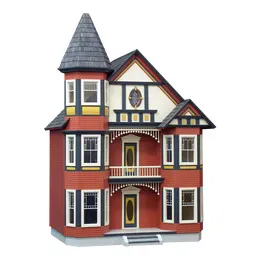
Styles like the Queen Anne, the Painted Lady, and the New Haven design pull directly from American residential architecture. These aren't invented shapes; they're miniature versions of houses people actually lived in during the 1800s and early 1900s.
Premium classic dollhouses typically share a few traits:
- Solid wood or high-grade MDF construction instead of thin plastic
- A true 1-inch scale (1 inch equals 1 foot), which keeps furniture and miniatures proportional
- Detailed trim work such as porches, gables, and shutters
- A kit or finished build that can be expanded later with additions
When a dollhouse checks these boxes, it holds up for years of play, display, or hobby work — not just a few months.

Why Do Wooden Dollhouses Outlast Plastic Ones?
This comes down to materials, not marketing. Wood and MDF (medium-density fiberboard) hold paint, wallpaper, and glue far better than plastic surfaces do. Plastic dollhouses also tend to warp under weight or heat, while a solid wooden dollhouse keeps its shape for decades.
There's also a practical reason hobbyists prefer wood: it's workable. You can drill it, sand it, repaint it, or add small decorative pieces without damaging the structure. Try doing that with a molded plastic shell, and you'll usually crack it.
For families in Vermont and across New England, where dollhouse collecting has deep roots as a craft hobby, wood remains the material of choice.
How Do You Choose Between a Kit and a Finished Dollhouse?
This is one of the most common questions from first-time buyers, and the honest answer is: it depends on who's using it.
Pick a kit if you or your child enjoy hands-on building, want to personalize paint and wallpaper, and don't mind following step-by-step instructions. Pick a finished option if you want the house ready to play with immediately, it's a gift for a young child, or you'd rather skip assembly altogether.
Unfinished 1-inch scale kits like the Queen Anne, Country Church, or Classic Bungalow styles are popular precisely because they let the buyer control the finishing details, right down to the smallest trim pieces, window boxes, and shingles.
What Should You Look for Before Buying a Classic Dollhouse Online?
Before adding any dollhouse to your cart, run through this short checklist:
- Confirm the scale. Most use 1-inch scale, but some use 1/2-inch, and mixing scales means furniture won't fit.
- Check if it's a kit or assembled, since shipping cost and assembly time differ.
- Look at the wood type. Milled MDF and solid wood both work well but finish differently.
- Ask about expansion options. Some designs, like the New Haven, offer add-on kits such as porches later.
- Read the manufacturer's history. A Vermont-based maker with decades in the trade tends to offer steadier quality control.
Are Historical Dollhouse Styles Worth the Higher Price?
Generally, yes. Historical styles like the Queen Anne or Painted Lady require more detailed trim, more complex rooflines, and additional finishing work compared to simple box-style houses, and that labor is reflected in the price.
There's a sentimental value angle too. A well-built historical dollhouse can become a family heirloom, kept and restored rather than discarded. Comparing a $50 plastic playhouse to a $400 wooden historical kit, the wooden option is usually the better long-term investment for a serious collector or a family that plans to keep it.
Where Can Vermont Residents Shop for Quality Dollhouse Kits Locally and Online?
Vermont has a strong, longstanding connection to dollhouse and miniature building. Several small workshops in the state have built wood dollhouse kits domestically for decades, and many of these brands sell both in-state and nationwide through online stores.
If you live in Vermont and want to see finish quality before buying, check craft fairs in towns like Montpelier, Burlington, or Barre, local hobby shops that stock 1-inch scale kits, and manufacturer websites that ship directly with assembly guides.
Buying directly from a Vermont-based maker also means shorter shipping distances within New England, which can reduce delivery time and damage risk compared to overseas plastic toy shipments.
What Are the Best Wooden Dollhouse Decoration Accessories to Add?
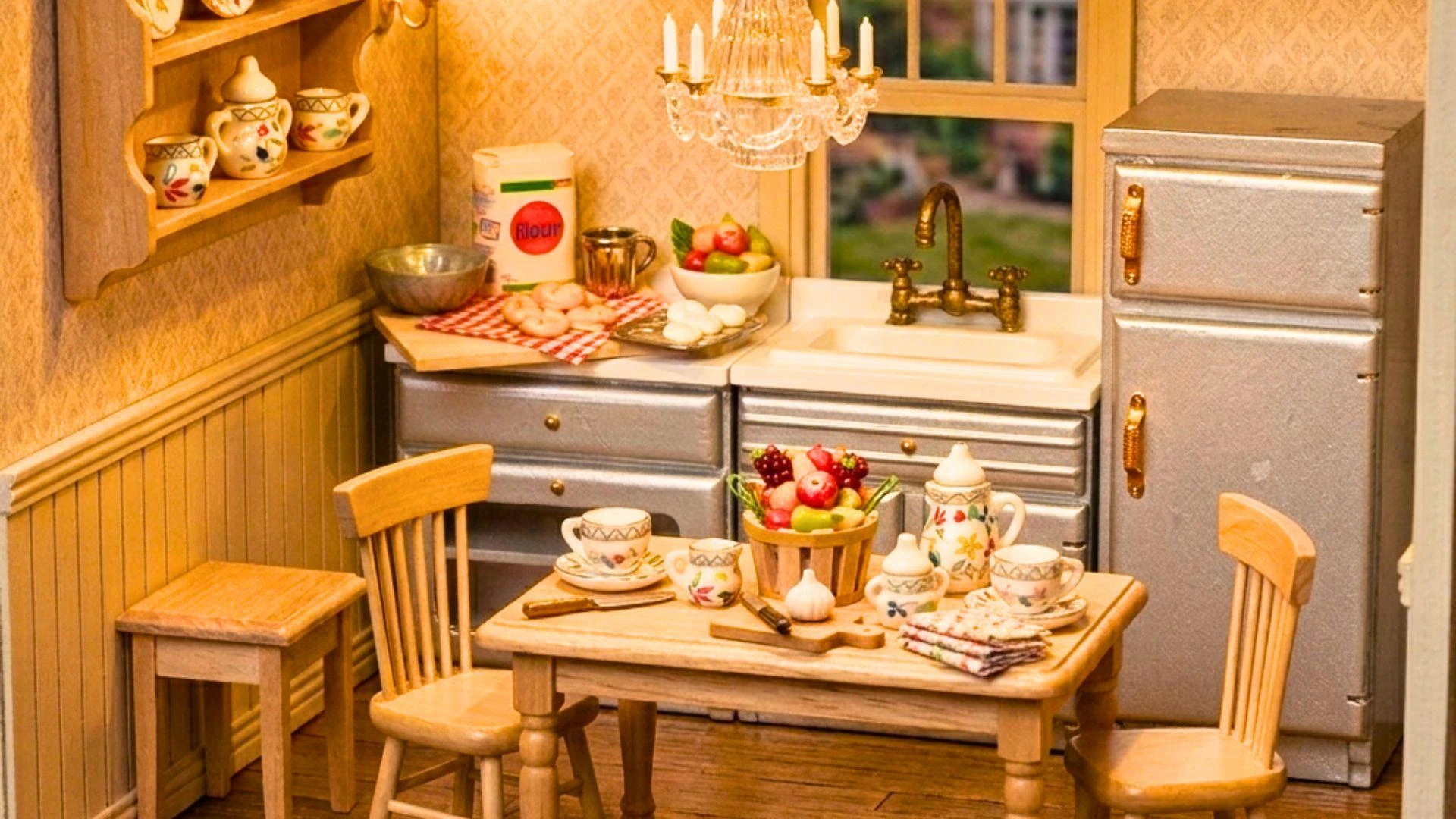
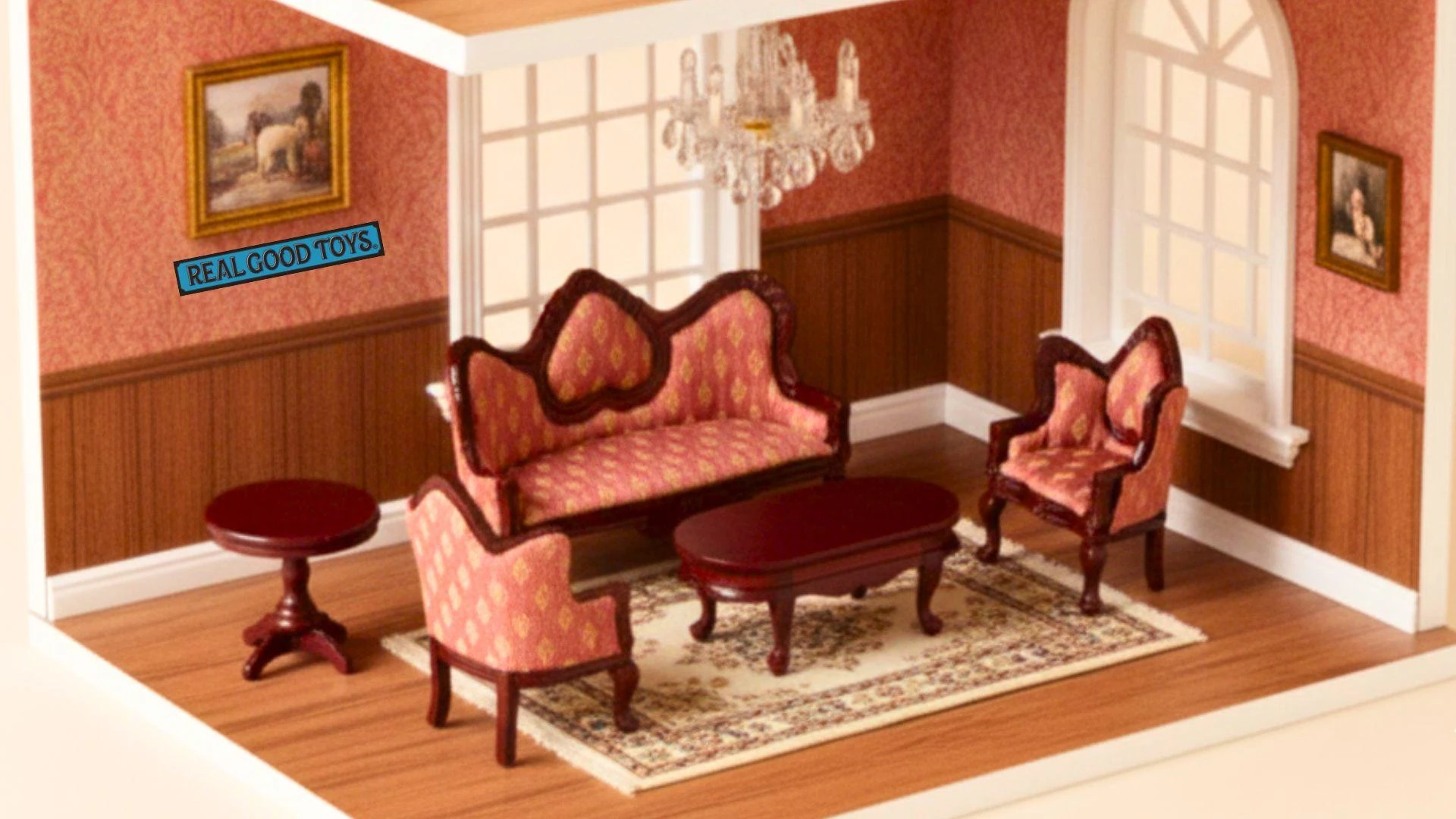
Once the main structure is built or purchased, most collectors move on to detailing. This is where the hobby becomes genuinely enjoyable. Popular add-ons include miniature wallpaper sets and flooring panels, battery-operated LED lighting for a realistic room glow, small-scale furniture for kitchens and living rooms, shutters and window boxes, fireplace or stove miniatures, and doors, knobs, and stair railings matched to the house style.
Adding these details gradually, rather than all at once, is a common approach among hobbyists it keeps the project ongoing and lets the budget spread out over months instead of a single large purchase.
How Much Should You Budget for a Premium Wooden Dollhouse?
Pricing varies based on size and complexity. As a general guide:
- Small kits and additions: $50–$150
- Mid-size historical or bungalow-style kits: $300–$450
- Larger multi-room historical designs with extras: $500 and up
- Decoration accessories (lighting, furniture, trim): $10–$60 per item, depending on detail
Buyers should budget not just for the house but for finishing materials paint, wallpaper, and small furniture since these add up over a build.
Is It Better to Buy a Dollhouse as a Gift or Build One Together?
Both approaches work, but they serve different goals. A finished, ready-to-play dollhouse suits younger children who want to start playing right away. An unfinished kit works better as a shared project for older kids, teens, or adults who enjoy the process as much as the result.
Many families treat dollhouse building as a recurring holiday or weekend activity, adding one room or accessory at a time rather than finishing everything in one sitting.
Final Thoughts on Buying a Classic Dollhouse
Finding genuine premium classic doll houses for sale means looking past surface-level marketing and checking scale accuracy, wood quality, and manufacturer history. Wooden kits styled after real historical American homes tend to outlast trend-driven plastic alternatives by decades rather than months. Whether you're in Vermont or shopping online from anywhere in the United States, comparing materials, scale, and finishing options will get you a dollhouse worth keeping for years.
Frequently Asked Questions
1. Where can I find premium classic doll houses for sale in Vermont?
Several Vermont-based makers sell unfinished and finished wood kits directly online, plus local hobby shops and seasonal craft fairs across the state.
2. What is the standard scale for a classic wooden dollhouse?
Most collector-grade dollhouses use 1-inch scale, meaning 1 inch equals 1 foot, so furniture and miniatures stay proportional.
3. Are wooden dollhouses better than plastic ones for long-term use?
Yes. Wood and MDF hold paint and glue better, resist warping, and can be repaired or repainted, while plastic tends to crack or fade.
4. How long does it take to assemble a wooden dollhouse kit?
Assembly time depends on size and detail, but most 1-inch scale historical kits take several weekends, including painting and finishing.
5. What decoration accessories should a beginner start with on a wooden dollhouse?
Beginners usually start with basic flooring, wallpaper, and a small furniture set before adding lighting or trim.
6. Can I buy dollhouse additions later to expand a starter kit?
Yes. Many historical-style kits, including porch and two-story additions, are designed to attach to an existing base house.
7. Are unfinished dollhouse kits harder to build than pre-assembled ones?
Unfinished kits require basic assembly skills and patience, but most come with step-by-step instructions for beginners.
8. What is the price range for a quality wooden dollhouse kit in the United States?
Prices generally run from around $50 for small additions to $500 or more for large, detailed historical designs.
9. Do Vermont hobby stores carry 1-inch scale historical dollhouse kits?
Many hobby and craft retailers across Vermont and New England stock or special-order these kits, and most manufacturers also ship directly.
10. Is a wooden dollhouse a good gift for a first-time collector?
Yes. A finished dollhouse suits younger children who want to play right away, while an unfinished kit suits older kids or adults who enjoy building over time.






















Sign in to leave a comment.