

Most advice about where to live in Tbilisi starts with a list of neighborhood names and a few adjectives. Vake is upscale, Vera is charming, Saburtalo is practical, Sololaki is atmospheric. None of that is wrong, but none of it tells you what your Tuesday morning will actually feel like.
In Tbilisi, daily convenience is decided at a much finer scale. Two apartments in the same well-known district can offer completely different lives: one sits on a flat street five minutes from a metro entrance and a supermarket, the other is a steep climb above a busy road, with the nearest bus stop down a staircase that turns slippery in winter. On a map, they look like neighbors. In practice, they are not.
This is a city of river valley and hillsides, of Soviet blocks beside nineteenth-century townhouses, of metro lines that serve some areas generously and skip others entirely. For those planning to buy property in Tbilisi or moving there for a few months—or even years—the specific address, the slope of the terrain where the building stands, and the route of daily walks are just as important as the neighborhood name listed in the ad.
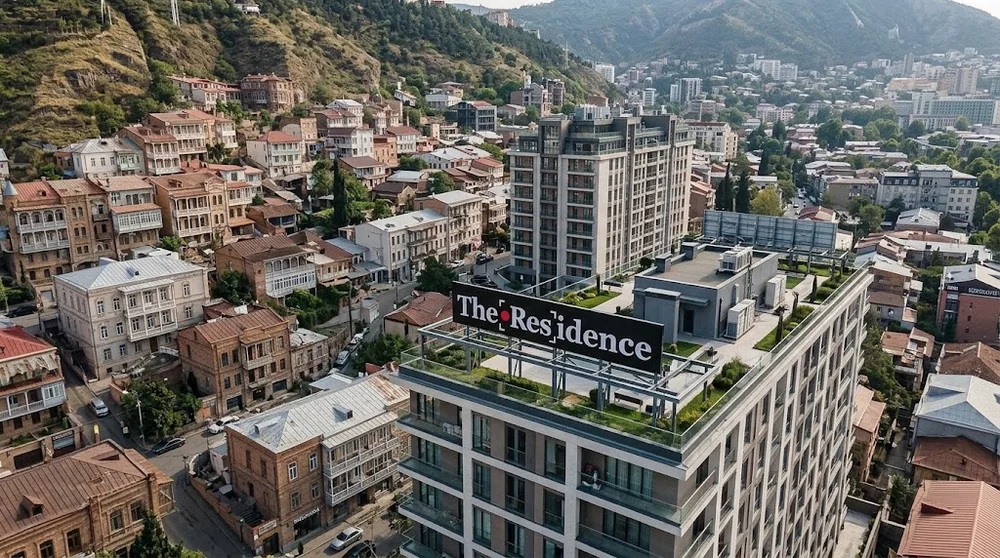
Why Tbilisi Works Differently on a Map
Tbilisi grew along the Mtkvari River, and its shape still reflects that. The city stretches in a long, narrow band through the valley, with neighborhoods spilling up the slopes on either side. The main transport corridors follow the flatter ground near the river and along a few major avenues, while much of the residential fabric climbs away from them.
That structure makes physical distance a poor guide to real effort. A flat 800-meter walk along Rustaveli Avenue is easy. The same 800 meters from a metro station up into the higher streets of Vera or Mtatsminda can mean a sustained climb, broken pavement and a few flights of steps. Reverse the direction and it feels effortless, which is exactly why visitors often misjudge an area after a pleasant downhill stroll.
"Central" is equally slippery. Being close to Freedom Square is ideal for a week of sightseeing, but long-term living depends on groceries, pharmacies, quiet evenings, a reliable commute and somewhere to walk without dodging tour groups. The tourist version of Tbilisi and the working-week version overlap only partially.
In Tbilisi, you are not really choosing a neighborhood. You are choosing a daily route, and the neighborhood is only part of it.
Once you start thinking in routes rather than districts, the city becomes much easier to read. The question shifts from "Which area is best?" to "What does my ordinary day require, and which addresses make that day easy?"
Metro Access Matters, but Not Everywhere
The Tbilisi metro is the backbone of fast movement across the city. It has two lines: the longer Akhmeteli–Varketili line, which follows the river valley through the center and out to the eastern and northern districts, and the Saburtalo line, which branches west from Station Square into Saburtalo. For anyone who commutes regularly between the center and the outer districts, a station within easy walking distance can remove a lot of friction, especially at rush hour when surface traffic slows.
This is where Saburtalo has a genuine advantage for certain routines. Stations such as Delisi, Vazha-Pshavela, Medical University and State University put a large residential area on a direct line to the center. For students, clinic staff, office workers and anyone who dislikes negotiating traffic, that matters.
Central Vake, by contrast, has no metro station. That surprises many newcomers, given the area's reputation. Yet it does not make Vake automatically inconvenient. Many residents rely on buses along the main avenues, affordable ride-hailing, and walking to Vera and the center, which is manageable from the lower parts of the district. If your work, school and social life are mostly within Vake and Vera, the missing metro may barely register. If you commute daily to a far-off business district, it will.
That last point is why "near metro" in a listing should always be tested in person. Measure the walk from the building's front door, not from the edge of the district. Check whether the route involves an underpass, a busy crossing or a hill, and walk it both ways.
| Area | Metro Access | Walking Reality | Daily-Life Trade-Off |
|---|---|---|---|
| Vake | No station in the central district | Pleasant on the main axis and near parks; noticeably steeper on upper streets | Strong local services, but longer cross-city trips depend on buses or taxis |
| Vera | Rustaveli station sits at its eastern edge | Very walkable at lower levels; sloped, narrow streets further up | Central and lively, but the climb home varies sharply by street |
| Saburtalo | Several stations on the Saburtalo line | Flatter in many parts, but blocks can be far from any station | Practical for commuting if the micro-location is right; less historic character |
| Sololaki / Old Tbilisi | Liberty Square station nearby | Beautiful but hilly, with cobbles, steps and uneven pavement | Atmosphere and centrality against tourist crowds, noise and older buildings |
| Avlabari | Avlabari station on the main line | Mixed terrain; some streets rise steeply from the river | Close to the old town, with more variation between blocks than expected |
| Marjanishvili / Chugureti | Marjanishvili station on the main line | Largely flat near the river and main avenues | Well connected and local in feel, but quality changes street by street |
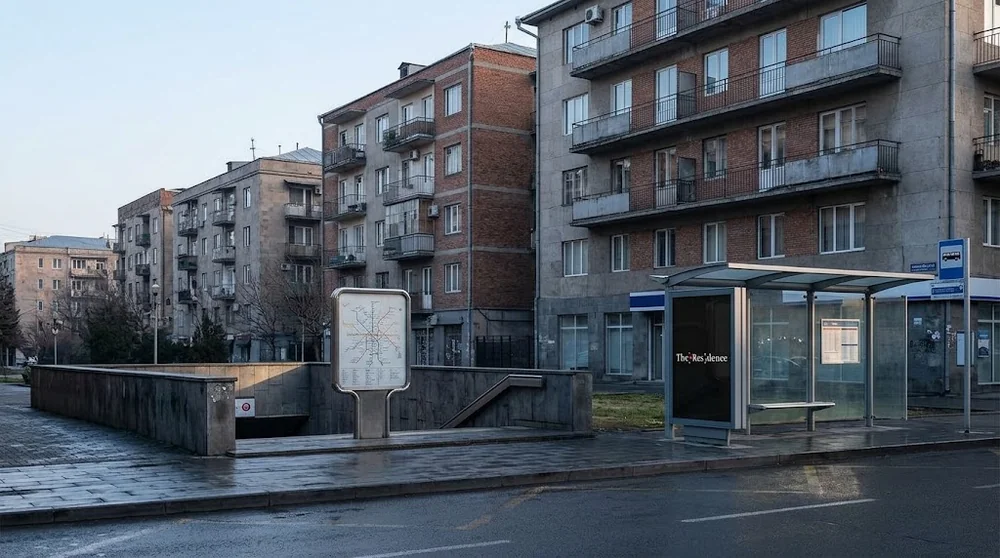
The Hill Can Matter More Than the District
If there is one factor that newcomers underestimate, it is the slope. Mtatsminda, upper Vera, Sololaki, parts of Vake, sections of Avlabari and many other areas are built on hillsides, sometimes quite steep ones. The views can be spectacular. The daily climb is a separate matter.
Walking down to a café in the morning feels charming. Walking back up with groceries, a laptop bag and tired legs after a long day is the real test. So is carrying a stroller, returning from a late dinner in the rain, or navigating icy steps on the rare winter days when the city freezes. A route that suits a healthy thirty-year-old runner may be a real burden for a family with a toddler, an older relative or anyone recovering from an injury.
None of this makes hillside neighborhoods a bad choice. Many people love the quieter streets and views that come with elevation. It simply means the view from the window is often paid for in accessibility, and that trade-off should be a conscious decision rather than a surprise.
Before committing, walk these routes yourself from the apartment door:
- To the nearest supermarket, and back again carrying a realistic amount of shopping.
- To the bus stop you would actually use, noting whether the route involves steps or a steep incline.
- To the metro station, if there is one, timing the walk honestly in both directions.
- To the café, coworking space or office where you would spend most working days.
- Home again in the evening, checking lighting, pavement condition and how the street feels after dark.
- Along the route in wet weather, if possible, since sloped cobbles and tiles behave very differently when slick.
Six Areas, Six Different Daily Routines
Rather than ranking neighborhoods, it is more useful to describe the kind of daily life each one tends to produce, and where the internal differences lie.
Vake: Comfortable Without the Metro
Vake is often the first name expats hear, and for understandable reasons. Vake Park and the nearby green spaces offer rare room to walk and run, the main avenues are lined with restaurants, bakeries, pharmacies and clinics, and several international and private schools operate in or near the area. Daily errands can often be done on foot.
The absence of the metro means longer trips rely on buses, taxis or walking into Vera. The bigger variable is elevation. Streets along and near Chavchavadze Avenue are relatively convenient, while addresses higher up toward the hills can be quieter and greener but noticeably harder to reach on foot. Vake tends to suit families, people who work remotely and anyone whose routine stays largely local.
Vera: Central, Compact and Uneven
Vera is one of the most rewarding areas for people who want an urban, café-driven life within walking distance of the center. Its lower streets connect easily to Rustaveli Avenue, cultural venues and the Vake boundary, and the neighborhood has a strong independent food and coffee scene.
It is also uneven in every sense. Streets rise quickly, sidewalks narrow, and much of the housing stock is older, with renovation quality ranging from excellent to cosmetic. Some streets carry heavy traffic and nightlife noise; others are surprisingly calm. Vera works best for people who enjoy walking, want to be central and are willing to pick their exact street carefully.
Saburtalo: Choose the Micro-Location
Saburtalo is less a single neighborhood than a collection of very different residential zones. Treating it as one homogeneous area is one of the most common mistakes in Tbilisi apartment hunting. It holds universities, major clinics, shopping centers, large supermarkets and a dense mix of Soviet-era blocks and newer high-rise developments.
Near the metro stations, the area can be highly practical, with everyday services at street level and a direct line to the center. Further out, some newer complexes sit well away from any station, and residents may depend on buses or cars. Traffic along the main arteries can be heavy. Anyone considering the Vake vs Saburtalo question should compare specific streets rather than district reputations, because the best parts of Saburtalo and the less convenient ones can feel like different cities.
Sololaki and Old Tbilisi: Character Versus Convenience
Carved balconies, courtyards, painted entrance halls and winding lanes make Sololaki and the old town the most photogenic places to live. For a few weeks or months, the atmosphere can be unforgettable.
Permanent living asks more practical questions. Tourist footfall and nightlife bring noise and crowds in season. Many streets are steep, parking is limited, and supermarkets can be smaller than elsewhere. Historic buildings vary enormously: some have been carefully restored, while others have aging wiring, damp walls, shared courtyards in need of repair or structural concerns. Charm on the facade says little about how a building performs through a winter.
Marjanishvili and Chugureti: Central but Different Street by Street
On the left bank, Marjanishvili and the wider Chugureti area offer strong links to the center, with a metro station on the main line and relatively flat terrain near the river. Aghmashenebeli Avenue and the surrounding streets have a busy mix of restaurants, bars and shops, and the area often feels more lived-in than touristic.
The residential stock is varied, from grand older buildings to tired blocks and new infill. A quiet side street and a loud stretch near evening venues can be just a few steps apart, so this is an area to explore on foot at different hours before deciding.
Avlabari: Close to the Center, Different in Feel
Across the river from the old town, Avlabari offers quick access to the historic core and a metro station on the main line. It has a more local, residential character in many places, with older houses, Soviet blocks and newer construction sitting side by side.
Terrain rises steeply in parts, and conditions shift noticeably from one quarter to the next. Some blocks are quiet and well kept; others sit beside heavy traffic or ongoing construction. Avlabari rewards people who check the specific block rather than relying on its proximity to landmarks.
The Building Matters as Much as the Address
Once the street is right, the building becomes the next deciding factor. In Tbilisi, housing stock is extremely mixed, and a well-staged apartment photo can hide a building that is difficult to live in. Heating, insulation, windows and lifts shape winter comfort and summer heat in ways a listing rarely shows.
Historic buildings offer high ceilings and character but may have older plumbing, limited insulation and no lift. Soviet-era blocks often have solid structures and practical layouts, yet shared areas, lifts and entrances can be poorly maintained.
Look closely at how the apartment is heated, whether windows are double-glazed and seal properly, and how the flat handles summer heat and ventilation. Test water pressure on upper floors. Check the entrance hall, stairwell and lift, and ask whether the lift is reliable. Note what occupies the ground floor: a quiet pharmacy is very different from a late-night bar or a busy restaurant with kitchen extraction under your bedroom.
| Building Type | Potential Advantages | What to Inspect | Who It May Suit |
|---|---|---|---|
| Historic building | Character, high ceilings, central locations | Damp, wiring, heating, stair access, structural condition, shared courtyard | People who value atmosphere and can accept some maintenance quirks |
| Soviet-era block | Practical layouts, established neighborhoods, nearby services | Lift condition, entrance and stairwell, insulation, windows, plumbing | Budget-conscious residents who prioritize location |
| Renovated older apartment | Modern interiors in established streets | Depth of renovation, heating system, ventilation, the building beyond the flat | Renters wanting comfort without moving to newer outer areas |
| Contemporary development | Lifts, parking, newer systems, sometimes shared amenities | Construction quality, sound insulation, building management, distance to transport | Families, car owners and people who value low-maintenance living |
Price and location are also intertwined. Official statistics on new residential property show substantial differences in prices between Tbilisi districts, which is a reminder that paying more for an address only makes sense if that address genuinely improves daily life.
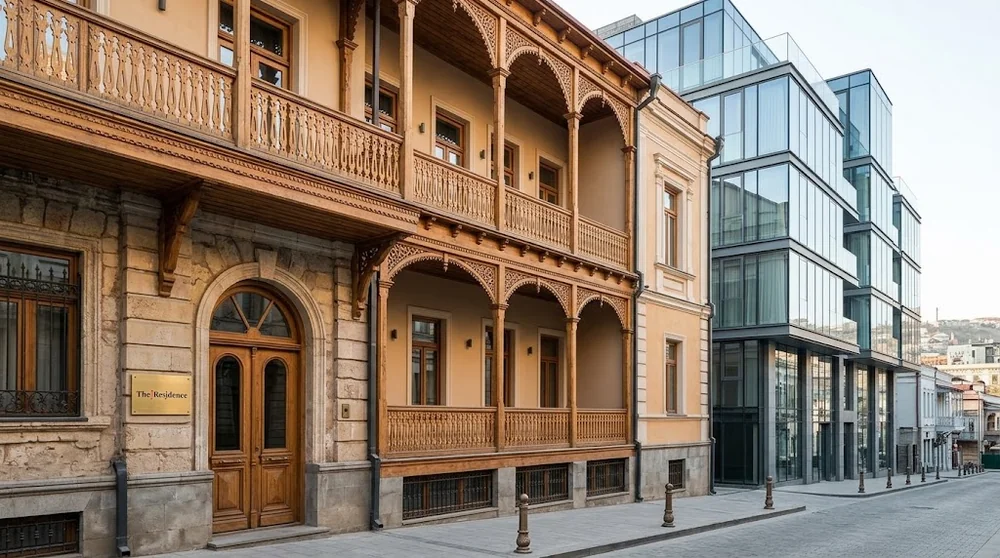
Test the Address Before Signing Anything
The most reliable way to judge an apartment in Tbilisi is to live a normal day around it before committing. A short, structured test can reveal more than dozens of listing photos.
- Map the route to the places you will visit every day: office, school, coworking space, gym or a partner's workplace.
- Walk that route rather than only checking it on a map, and note where it becomes steep, broken or unpleasant.
- Check the final approach to the building, including any hill, stairs or dark stretch right before your door.
- Test public transport during the morning or evening peak, when buses and roads are busiest.
- Visit the nearest supermarket, pharmacy and any other service you use weekly, and judge their size and hours.
- Stand in the apartment with the windows open and listen for traffic, construction, bars or barking dogs.
- Inspect the entrance, stairwell and lift, and ask how common areas are maintained.
- Return after dark to see how the street feels, how well it is lit and how busy it gets.
- Imagine an ordinary working day, not a holiday, and ask whether the address makes that day easier.
For renters, this process can prevent a year of daily irritation. For buyers, it matters even more. An inconvenient micro-location is hard to fix after a purchase, while a tired kitchen or dated bathroom can be replaced.
Renovations can change an apartment. They cannot change the hill outside, the traffic below or the distance to the metro.
A Better Way to Compare Tbilisi Addresses
When choosing between two real apartments, a simple side-by-side checklist is often more useful than any neighborhood ranking. Fill it in after visiting both.
| Factor | What to Ask | Apartment A | Apartment B |
|---|---|---|---|
| Slope | Is the walk home comfortable with bags or a stroller? | ||
| Metro | How long is the real door-to-station walk? | ||
| Bus access | Is there a direct route to your daily destination? | ||
| Groceries | Is a well-stocked shop within an easy, flat walk? | ||
| Noise | What do you hear with windows open, day and night? | ||
| Building condition | Are the entrance, stairwell and facade maintained? | ||
| Lift | Is there one, and does it work reliably? | ||
| Parks | Is there green space for walks, running or children? | ||
| Evening walkability | Is the route home well lit and comfortable after dark? | ||
| Commute | How does the daily journey feel at peak hours? | ||
| Parking | If you drive, is there a realistic place to leave the car? |
Key Takeaways
- A district name says less about daily life in Tbilisi than the exact street and building.
- Map distance is misleading in a hilly city; always walk the route in both directions.
- The metro is valuable, but only if the station is genuinely close to your door and on your route.
- Vake's lack of a metro matters mainly for people with long cross-city commutes.
- Saburtalo varies so much internally that the micro-location decides almost everything.
- Historic charm and long-term comfort are separate questions, especially in older buildings.
- Start with your daily routine, then find addresses that fit it, not the other way round.
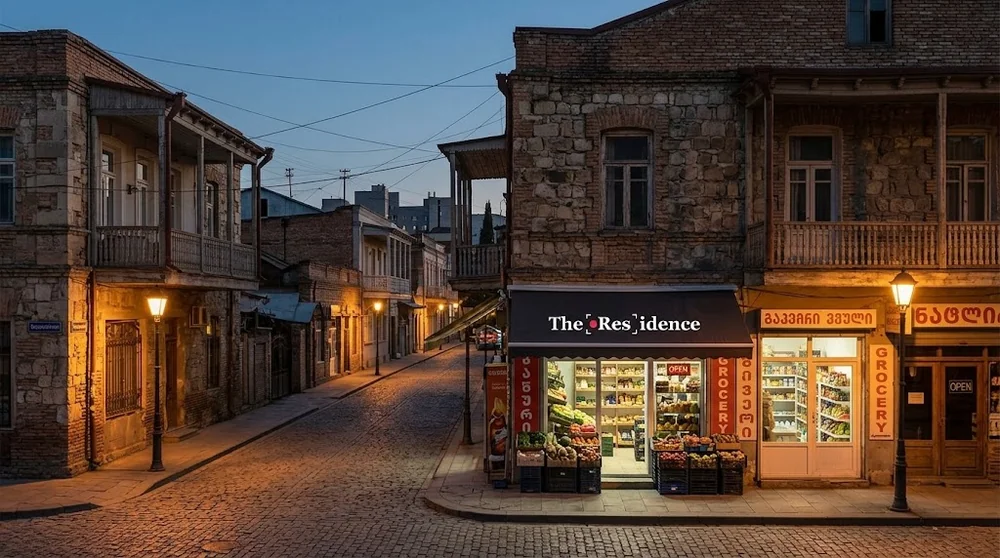
Choose the Street, Not Just the Neighborhood
Tbilisi resists universal rankings. The same district can hold an easy, walkable address and a frustrating one a few hundred meters apart, separated by a hill, a busy road or a building that struggles through winter. That is why lists of the best neighborhoods only get you part of the way.
A good home here is a combination of factors: the district, the specific street, the slope, the route to work or school, the transport you actually use and the quality of the building itself. Get those right and the city becomes remarkably pleasant to live in. Get them wrong and even a prestigious address can feel like hard work.
For anyone planning to stay several years or considering a purchase, these everyday details deserve as much attention as floor area, renovation or price. Walk the streets, test the routine and let your ordinary day make the final decision.


























Sign in to leave a comment.