Where Welding Automation Helps and Where Field Fabrication Still Needs Skilled Labor

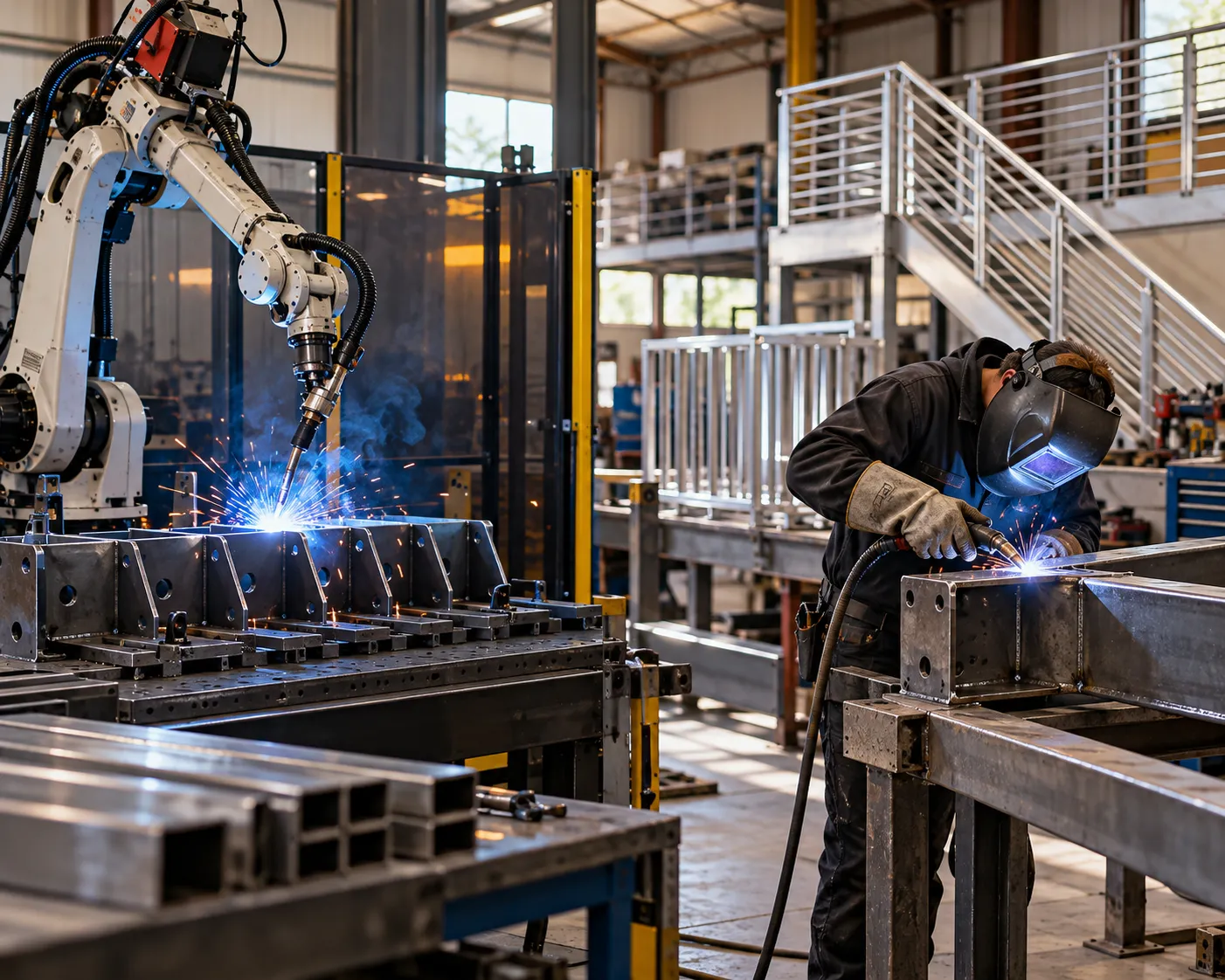
Welding technology has changed how metal fabrication projects are completed across the United States. Automated machines can now handle repetitive welding tasks with impressive accuracy, helping manufacturers improve production speed and consistency. However, even with these advancements, experienced welders remain essential for complicated repairs, custom installations, and field fabrication projects.
The real question is not whether machines will replace welders. It is where Welding Automation delivers the most value and where skilled labor remains necessary.
For businesses, contractors, and property owners in New Hampshire, understanding this difference can help them make better decisions about structural welding, equipment maintenance, and custom metalwork.
What Is Welding Automation?
Welding Automation involves using machines, robotic systems, and computer-controlled equipment to complete welding operations with reduced manual involvement.
These systems are commonly found in manufacturing facilities where identical metal components are produced in large quantities.
Automated welding equipment can control several important factors, including welding speed, torch movement, and travel patterns.
However, automation still requires qualified professionals to program equipment, prepare materials, inspect welds, and maintain production quality.
Where Welding Automation Provides the Greatest Benefits
1. High-Volume Manufacturing
Automation works especially well when manufacturers need to produce hundreds or thousands of identical components.
For example, a factory producing steel brackets or equipment frames can use robotic welding equipment to maintain consistent production cycles.
Once properly programmed, automated systems can repeat welding movements without needing constant manual adjustments.
This makes automation useful for manufacturers working with standardized designs and predictable production requirements.
2. Repetitive Commercial Fabrication
Certain commercial fabrication projects involve repeated components that share the same dimensions and welding requirements.
Automated systems can improve efficiency when producing standardized structural connections, metal frames, and support assemblies.
Potential advantages include:
- Consistent welding patterns
- Faster repetitive production
- Reduced variation between components
- More predictable manufacturing schedules
- Improved production efficiency
However, automation works best when materials, joint preparation, and component positioning remain consistent.
3. Controlled Aluminum Welding
Automated equipment can also support aluminum welding, particularly when producing repeated components in controlled shop environments.
Aluminum requires careful attention to surface cleanliness, heat input, joint preparation, and welding parameters.
Modern automated systems can help maintain consistent torch movement and travel speed.
However, qualified welders and technicians must still monitor weld quality and adjust procedures when material thickness, joint configurations, or other conditions change.
Where Field Fabrication Still Requires Skilled Welders
1. Heavy Equipment Repair
Construction equipment operates under demanding conditions. Excavators, loaders, trailers, and other machinery experience vibration, heavy loads, and repeated stress.
When metal components become damaged, repairs often require careful inspection and customized welding solutions.
Heavy equipment repair frequently involves irregular cracks, worn mounting points, damaged frames, or components that cannot easily be moved into a fabrication shop.
Experienced welders must assess the damage, identify appropriate repair procedures, and determine whether welding is suitable.
Automated systems generally cannot handle these unpredictable field conditions without substantial preparation and specialized equipment.
2. Custom Aluminum Railings
Architectural projects often require custom metal components designed around existing buildings.
Installing aluminum railings on stairways, balconies, decks, and commercial properties requires accurate measurements and careful alignment.
Even when sections are fabricated using automated equipment, field installation may require manual adjustments.
Skilled fabricators must account for uneven surfaces, mounting conditions, structural requirements, and architectural details.
This combination of precision and adaptability makes experienced labor essential for custom railing projects.
3. Structural Welding on Active Construction Sites
Construction sites rarely offer the controlled conditions available inside manufacturing facilities.
Workers must deal with changing weather, restricted access, existing structures, and unexpected installation challenges.
Field welders may need to modify steel beams, install reinforcement components, or repair damaged structural connections.
These tasks require practical judgment, appropriate welding procedures, and close attention to safety.
In New Hampshire, seasonal temperature changes and outdoor working conditions can create additional challenges for field fabrication teams.
Why Skilled Labor Still Matters in Aluminum Welding
Although automation has improved aluminum fabrication, manual welding remains valuable for repairs and custom installations.
Aluminum conducts heat efficiently and requires suitable techniques to avoid distortion, incomplete fusion, and other welding defects.
Experienced welders can adapt their approach based on material thickness, joint accessibility, and site conditions.
For specialized architectural projects, this flexibility helps ensure that finished components meet the required design and performance standards.
How Automation and Skilled Fabrication Work Together
The most effective fabrication approach often combines automated production with professional welding expertise.
For example, standardized components can be manufactured in controlled shop conditions before skilled fabricators complete installation and necessary modifications on-site.
This approach can help contractors maintain production efficiency without sacrificing flexibility.
It also allows fabrication teams to focus their expertise on complex connections, repairs, and installation challenges.
Automation improves repeatability, while skilled labor provides the judgment needed when real-world conditions do not match the original drawings.
Choosing the Right Fabrication Partner in New Hampshire
Selecting a fabrication contractor involves more than comparing equipment capabilities.
Contractors should consider welding qualifications, experience with different materials, installation requirements, and the ability to complete field modifications.
Based in Wolfeboro, S&B Industries LLC provides structural steel fabrication, architectural rail systems, specialty metal fabrication, and mobile welding support throughout New Hampshire's Lakes Region.
S&B Industries
Its services are relevant to projects involving custom metalwork, structural modifications, aluminum components, and qualified on-site equipment repairs.
Conclusion
Welding Automation has become an important part of modern metal manufacturing. It improves efficiency, consistency, and productivity when projects involve repetitive components and controlled production environments.
However, field fabrication still depends heavily on skilled welders who can solve unexpected problems, complete custom installations, and perform complicated repairs.
For businesses in New Hampshire, the best results come from choosing the right fabrication method for each project rather than relying on technology alone.
To discuss structural welding, custom metalwork, or field fabrication requirements, visit S&B Industries.


Sign in to leave a comment.