Which Biryani Masala Is Best in India? A Practical Buying Guide


Making biryani at home sounds simple until you reach the spice aisle.
There is Hyderabadi biryani masala, Lucknowi masala, Kolkata-style blends, chicken biryani masala and regular all-purpose options. With so many choices, it is natural to ask: which biryani masala is best in India?
The answer depends on the biryani you want to cook.
A good biryani masala should complement the rice, meat or vegetables rather than dominate the entire dish. The right blend is less about choosing the strongest masala and more about matching the flavour profile to the recipe.
What Makes a Good Biryani Masala?
Most biryani masalas contain familiar spices such as coriander, cumin, cardamom, cinnamon, cloves, black pepper, chilli, fennel and mace.
What changes is the balance.
Some blends are warmer and spicier. Others focus more on fragrance. This difference matters because Hyderabadi, Lucknowi and Kolkata biryanis are built around very different flavour styles.
So before searching for the best biryani masala, it helps to first decide what kind of biryani you actually enjoy.
Hyderabadi Biryani: Bold, Aromatic and Spice-Forward
Hyderabadi biryani generally has a stronger spice profile with noticeable aroma and richness.
Its masala usually needs to work with yogurt, ginger-garlic, fried onions, mint, coriander, saffron and ghee.
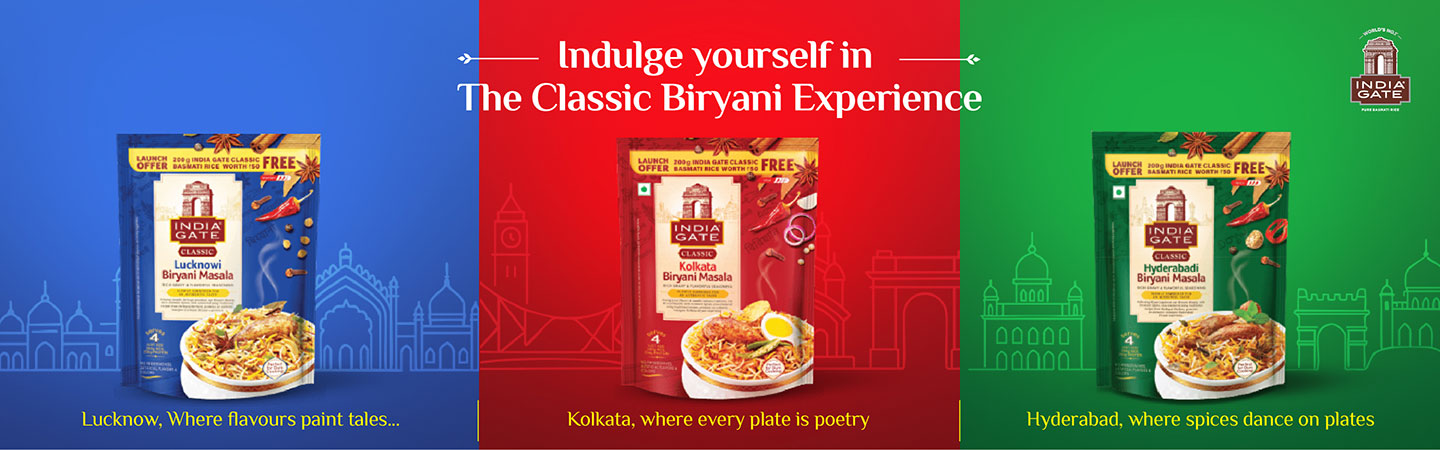
Regional blends developed for this style are therefore usually more robust than milder biryani masalas. The Classic Hyderabadi Biryani Masala page is one example of how a Hyderabadi-specific blend is positioned around this stronger flavour direction.
The important point is the style itself: Hyderabadi biryani generally benefits from a masala that can remain noticeable after marination, layering and dum.
Lucknowi Biryani: Fragrance Over Heat
Lucknowi biryani takes a softer approach.
Its character comes more from fragrance, balance and gentle spices than strong chilli heat. Ingredients such as saffron, kewra, cardamom and ghee often play a larger role.
This is why Lucknowi-specific blends usually differ from Hyderabadi masalas. The Classic Lucknowi Biryani Masala page shows this regional distinction clearly.
For readers comparing masalas, this is useful because it highlights an important buying point: a milder masala is not necessarily weaker. It may simply be designed for a different biryani style.
Kolkata Biryani: A More Subtle Spice Profile
Kolkata biryani is generally milder and is known for its lighter seasoning and the familiar use of potato.
A very spice-heavy blend can overpower this style.
Kolkata-specific masalas are therefore usually built around a more restrained flavour direction. The Classic Kolkata Biryani Masala page provides an example of how this style is treated separately from Lucknowi and Hyderabadi preparations.
This is why choosing by regional style can be more useful than simply choosing whichever masala appears most popular.
Regional Masala or Regular Biryani Masala?
A regional masala makes sense when a recipe depends heavily on a particular flavour style.
A regular biryani masala is usually broader in character and gives the cook more freedom to adjust chilli, whole spices and aromatics.
Regional masala collections also make this difference easier to understand. For example, the Classic Biryani Masala Range separates Kolkata, Lucknowi and Hyderabadi varieties instead of treating biryani masala as a single flavour.
For a buyer, that distinction is more useful than assuming all biryani masalas perform the same way.
The Masala Is Only Half the Biryani
This is the part many home cooks overlook.
A well-balanced masala cannot rescue rice that becomes sticky, mushy or overcooked.
That is why biryani rice matters just as much as the spice blend.
For most traditional preparations, long grain basmati rice is preferred because the grains can remain separate after cooking and still hold their structure during layering and dum.
In a good basmati rice biryani, the individual grains should stay visible rather than merging into a soft mass.
When comparing the best basmati rice for biryani, three things usually matter most: grain structure, separation and aroma.
Rice used for biryani needs enough strength to handle par-boiling without breaking too easily. It should also remain separate once layered with the masala and finished on dum.
There are different types of basmati rice, and not every variety behaves the same way during cooking. Biryani-specific rice ranges reflect this difference. The India Gate Biryani Basmati Rice range is one example of rice being categorised specifically around the biryani cooking occasion.
https://www.indiagatefoods.com/our-range/biryani-basmati-rice/
This makes the choice of best biryani basmati rice part of the same decision as choosing the masala.
What Should You Check Before Buying Biryani Masala?
You do not need to overanalyse the packet, but a few things are worth checking:
- Look at the balance of chilli and aromatic spices.
- Check whether salt is already included.
- Follow the recommended quantity the first time.
- Consider whether you are cooking chicken, mutton or vegetables.
- Match the flavour style to the biryani you want to make.
These small checks usually tell you more than the front label alone.
Getting the Masala and Rice to Work Together
Good biryani depends on balance.
The rice should not be fully cooked before layering because it continues cooking during dum. The masala base should also not be too watery, otherwise even good basmati rice can become soft.
Fresh mint, coriander and fried onions can add another layer of aroma. Tasting the gravy before layering also helps prevent the final biryani from becoming under-seasoned or excessively spicy.
The aim is not to make the masala the loudest part of the dish. The rice, masala, protein, aromatics and dum process should work together.
Frequently Asked Questions
Which biryani masala is best in India for home cooking?
There is no single best option. Hyderabadi blends generally suit stronger flavours, Lucknowi masalas are more fragrance-led, while Kolkata-style blends tend to be milder.
Which biryani masala is best for chicken biryani?
It depends on the flavour style you prefer. Hyderabadi-style masala works well for a stronger chicken biryani, while Lucknowi-style blends suit a lighter and more aromatic preparation.
Can the same biryani masala be used for chicken and mutton?
Yes. Many blends can be used for both. The quantity, marination time and cooking method may need adjustment because mutton usually takes longer to cook.
Which rice is best for biryani?
Long-grain basmati rice is commonly preferred because properly cooked grains remain separate and can handle par-boiling, layering and dum well.
Is biryani rice as important as biryani masala?
Yes. Masala creates the flavour profile, while rice determines much of the texture, grain separation and overall eating experience. Both need to work together.
So, Which Biryani Masala Is Best?
The answer depends on the biryani style rather than one universal brand or blend.
Hyderabadi masalas are usually bolder, Lucknowi blends are more aromatic and Kolkata-style masalas are generally subtler.
At the same time, the choice of basmati rice should not be treated as secondary.
A good biryani comes from the combination of suitable biryani rice, balanced masala, controlled moisture and proper dum cooking. That matters more than simply choosing whichever packet is labelled the best.




Sign in to leave a comment.