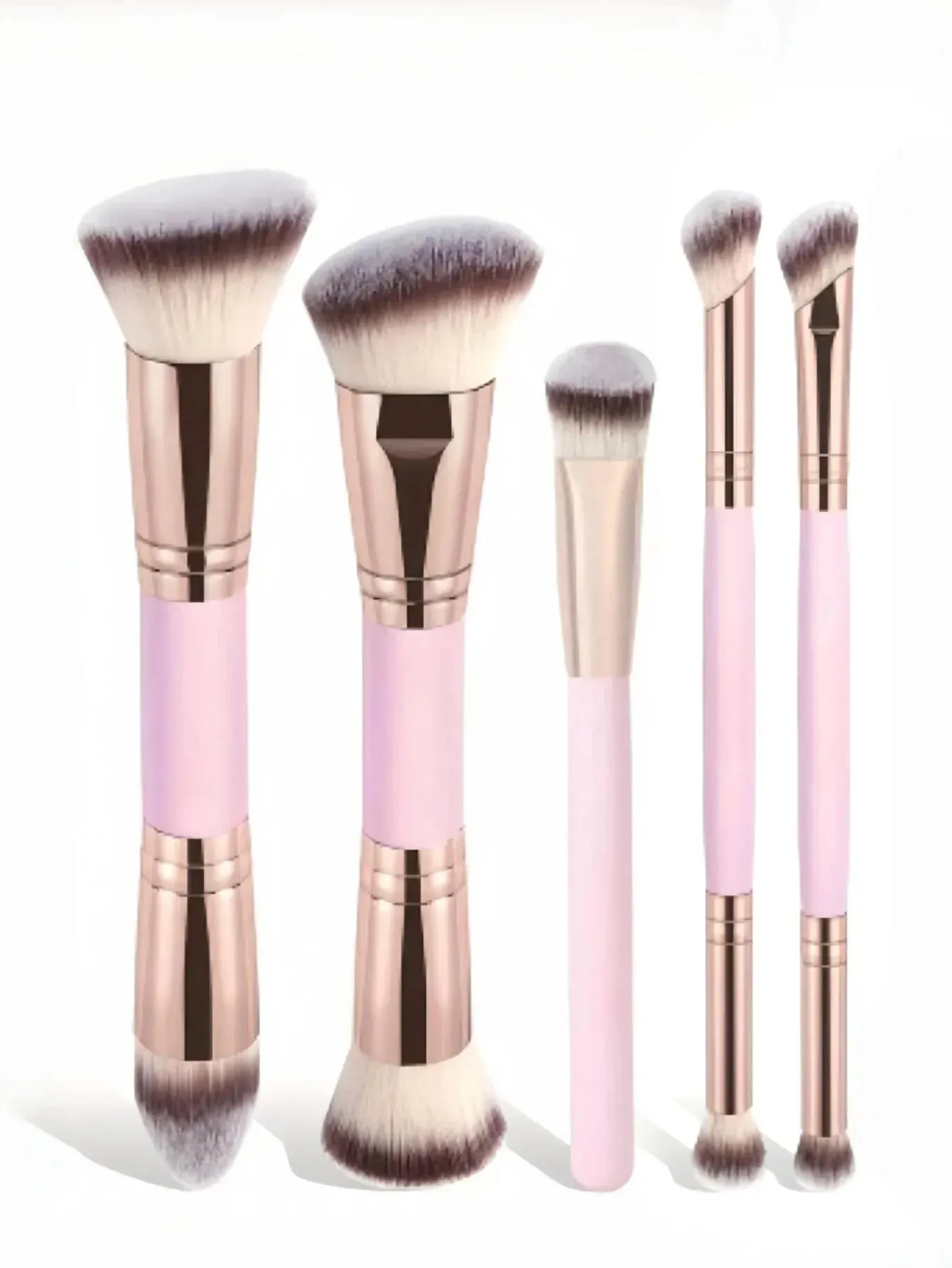

Picking the right brush for cream contour and concealer changes how your whole face looks by the end of the day. A lot of people blame their foundation or their concealer shade when the real problem is the tool they used to blend it. The bristles, the shape, and the density of a brush decide whether cream product sits smoothly on skin or sits in patches around the nose and under the eyes.
This guide breaks down which brush is best for cream contour and concealer USA shoppers rely on, why cream formulas behave differently from powder, and how one dual-ended tool can replace half your brush bag. We will also cover cleaning tips, a short buying checklist, and answers to the questions people search most often before they buy.
Why Do Cream Products Need a Different Brush Than Powder?
Powder brushes are built to pick up dry pigment and dust it across the skin. Cream and liquid formulas behave the opposite way. They sit on the bristle instead of dusting off, so the brush needs a denser, tighter bristle pack to move product without soaking it up.
A powder brush used on cream concealer usually drags the product, leaves streaks, or eats half the formula into the fibers. That is why cream contour, cream blush, and liquid concealer call for a brush built specifically for that job, not a leftover powder tool doing double duty.
Short version: cream needs control, not fluff.
What Makes a Dual-Ended Complexion Brush Different?
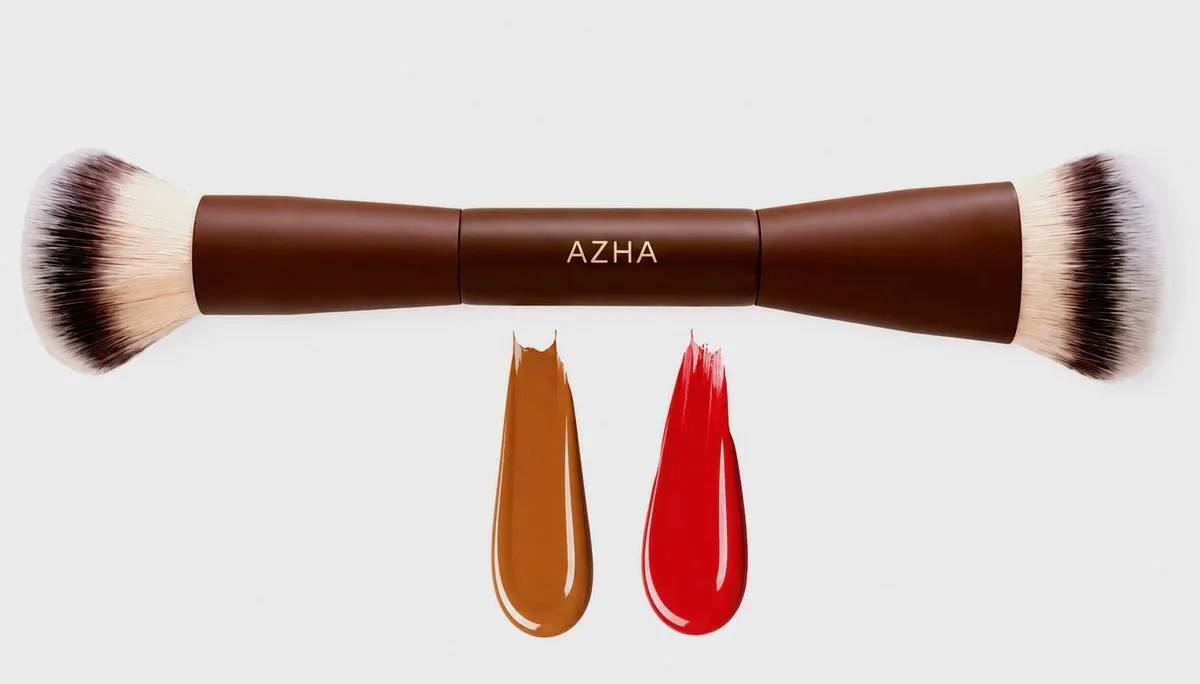
A dual-ended brush gives you two working ends on a single handle, and each end has its own bristle shape for a different task. On the Dual-Ended Complexion Brush from Azha Brushes, one end is built for blending larger areas like the cheeks and forehead, while the other end is smaller and denser for detail zones such as under the eyes, around the nose, and along the hairline.
The bristles are soft but tightly packed, which lets the brush pick up cream product evenly instead of soaking it into loose fibers. That bristle density is the real deciding factor buyers should look for, since it stops product from disappearing into the brush before it ever touches your skin.
Because one tool does both jobs, you are not switching between three or four separate brushes mid-routine.
How Do You Use a Dual-Ended Brush for Cream Contour and Concealer?
Apply the routine in a few simple steps:
- Place cream foundation, concealer, or contour on the skin, or dot it on the back of your hand for more control.
- Use the larger end to spread product across the cheeks, forehead, and jaw in light, circular motions.
- Switch to the smaller end for precise zones like under the eyes, beside the nose, and along the hairline.
- Buff gently instead of dragging, so there is no visible line between product and bare skin.
- Clean the brush after each use to keep bristles performing consistently.
This method is faster than switching brushes and gives a smoother finish overall.
Where Can You Buy the Best Brush for Cream Contour and Concealer in the USA?
Shoppers across the United States can order the Dual-Ended Complexion Brush directly from Azha Brushes, with pricing and shipping set up for US customers. If you are searching for which brush is best for cream contour and concealer USA wide, buying from the brand's own site means you get the exact bristle build described here, not a lookalike version sold through a marketplace listing.
The brush is priced at $35 and ships as a single tool, so there is no need to buy a full set if this is the only gap in your current collection.
Who Should Own This Type of Brush?
This brush fits a wide range of routines:
- Everyday users who want a lighter, natural finish without owning ten brushes.
- Makeup artists building a working kit for client appointments.
- Anyone who currently uses fingers or a sponge for concealer and wants more precision.
- Frequent travelers who want fewer tools without losing quality.
It removes the need to carry separate brushes for foundation, concealer, and contour.
What Should You Look for in a Complete Makeup Brush Set?
A single brush solves one part of a routine, but most people eventually build out a full makeup brush set for eyes, powder, and blush work too. When shopping for a full set, look for:
- Bristle type matched to product type, since cream tools and powder tools should not be interchangeable.
- A handle length and grip that feels stable during detail work.
- Consistent shedding tests, since a good brush should not lose bristles after a few washes.
- A brand selling both single, focused tools and complete sets, so you can fill gaps without over-buying.
Building a set piece by piece, starting with tools you use daily, tends to work better than buying a large set and never touching half of it.
How Do You Keep Your Complexion Brush Clean and Long-Lasting?
Cream and liquid products build up on bristles faster than powder does, so cleaning matters more here.
- Rinse bristles under lukewarm water, pointing down so water does not reach the handle glue.
- Use a gentle brush cleanser or mild shampoo, working it through with your fingers.
- Rinse until water runs clear, then reshape bristles by hand.
- Lay the brush flat to dry, slightly off the edge of a counter, so water does not pool at the base.
A brush cleaned weekly holds its shape and softness far longer than one left for months between washes.
Top Reasons Makeup Artists Across the USA Recommend This Brush
Professional makeup artists tend to repeat a few points about this style of brush:
- It reduces kit weight since one tool replaces two or three single-use brushes.
- The dense bristle pack limits product waste with higher-end cream formulas.
- The dual-end design speeds up client appointments without sacrificing quality.
- It works well on mature, textured, and smooth skin types, since soft bristles do not tug or drag.
Everyday users tend to reach for these same reasons once they try it.
Frequently Asked Questions
1. What is the top pick for cream contour and concealer if I only buy one brush?
A dual-ended complexion brush with dense, soft bristles is the simplest starting point, since it covers both blending and detail work in a single tool.
2. Can I use a powder brush for cream concealer instead of buying a new one?
You can, but powder brushes tend to soak up cream product and leave streaks, so results are usually patchier than with a brush built for cream formulas.
3. Where can I buy a dual-ended complexion brush online in the United States?
The Dual-Ended Complexion Brush is available directly through Azha Brushes with shipping set up for customers across the USA.
4. What is the price range for a good cream contour brush in the USA?
Quality dual-ended brushes in the US market typically fall between $25 and $45, depending on bristle material and brand.
5. How often should I wash a brush used for cream concealer?
Washing once a week is a reasonable routine for a brush used daily on cream or liquid products.
6. Is a dual-ended brush better than buying two separate brushes for foundation and concealer?
For most routines, yes, since it saves space, cuts cost, and keeps bristle density consistent between the two tasks.
7. Do makeup artists in the USA use dual-ended brushes for client work?
Many do, since a smaller kit with fewer, more versatile tools is easier to manage between appointments.
8. What bristle material works best for cream contour and concealer?
Soft, densely packed synthetic bristles tend to perform best with cream and liquid products, since they resist soaking up product.
9. Can beginners use a dual-ended complexion brush without training?
Yes, the two-step process of blending broad areas first and detail zones second is simple enough for a first-time buyer to pick up quickly.
10. Should I buy a single brush or a full makeup brush set first?
If cream concealer and contour are your main concern, start with the single dual-ended brush, then add a full set later as your routine grows.
Final Thoughts
The real answer to brush is best for cream contour and concealer USA buyers are searching for comes down to bristle density and shape, not price alone. A dual-ended tool built specifically for cream and liquid products removes the guesswork, cuts down on wasted product, and gives a cleaner finish than a multi-purpose powder brush ever will. Whether you are shopping for a single replacement tool or filling out a full makeup brush set over time, starting with the brush you use every single day is the most practical place to begin.




















Sign in to leave a comment.