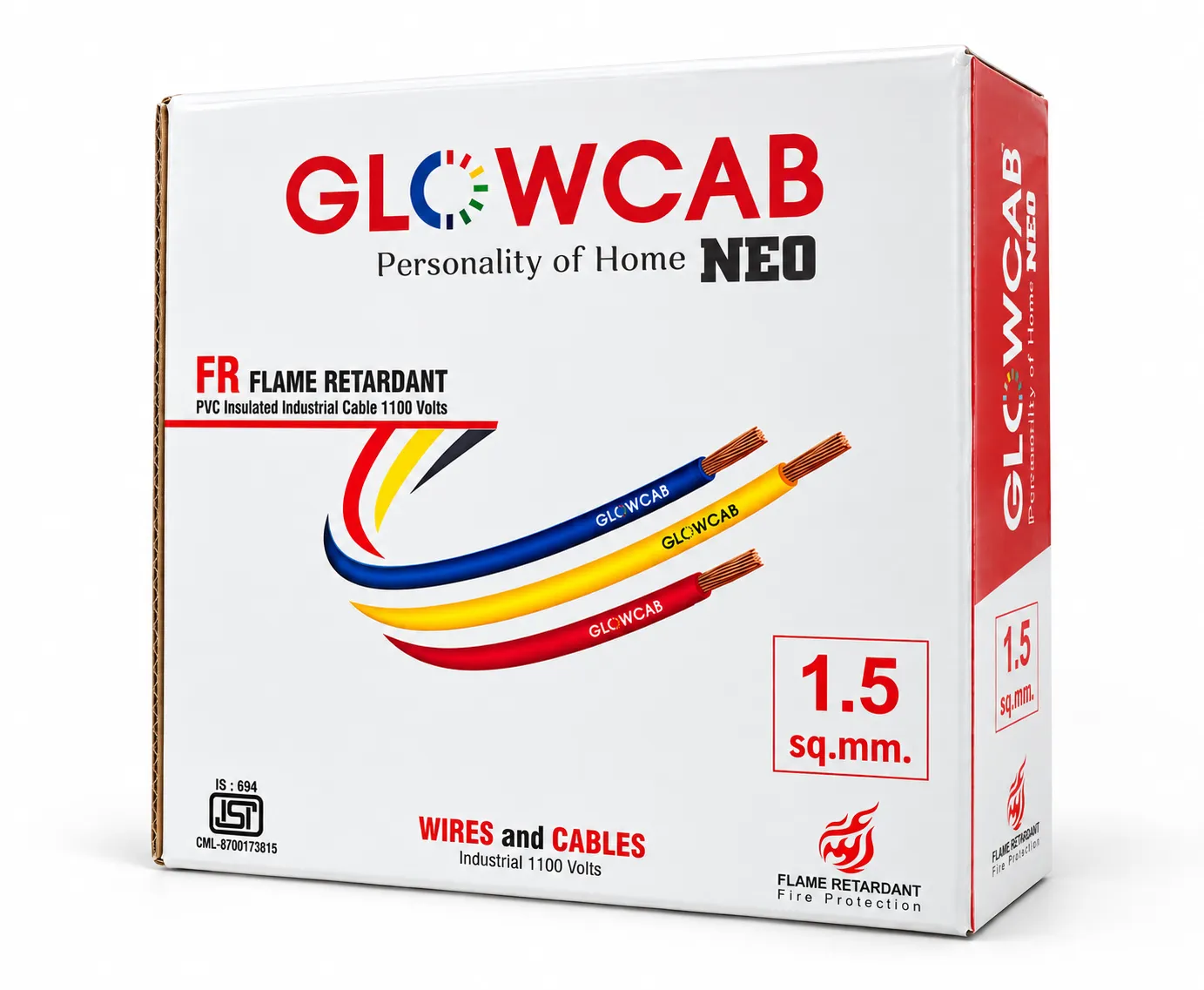

Choosing the right electrical wire is one of the most important decisions when constructing or renovating a home. Electrical wiring carries power throughout your house, so the quality of the wire directly affects safety, efficiency, durability, and overall electrical performance. With so many types and brands available in the market, homeowners often ask: which electric wire is best for home?
The answer depends on several factors, including the type of insulation, conductor material, wire size, electrical load, safety standards, and the specific application. This guide will help you understand what to look for when selecting the best electric wire for home and how to choose the best wire for house wiring.
Which Electric Wire Is Best for Home ?
When selecting a wire for residential electrical installation, safety should always be the first priority. A good-quality house wire should have a reliable conductor, durable insulation, good flexibility, and adequate resistance to heat and fire.
For most modern homes, copper wires with high-quality PVC or FRLS insulation are commonly considered for electrical circuits. Copper offers good electrical conductivity and can efficiently carry current when the correct wire size is selected.
If you are looking for the best wire for home, don't choose only based on price. A low-cost wire may not provide the same level of insulation quality, conductivity, durability, or safety as a properly manufactured and standards-compliant product.
Factors to Consider When Choosing the Best Electric Wire for Home
1. Choose the Correct Wire Size
Wire size is one of the most important factors in house wiring. Different appliances and circuits require different current-carrying capacities.
Common residential wire sizes include:
- 1.0 sq. mm: Used for selected low-load lighting applications.
- 1.5 sq. mm: Commonly used for lighting and fan circuits.
- 2.5 sq. mm: Often used for general-purpose socket circuits.
4 sq. mm and above: Used for higher-load applications depending on the electrical design.
The appropriate size should always be determined according to the expected load, circuit design, installation method, and applicable electrical standards. Using an undersized wire for a high electrical load can result in excessive heating and may create a safety hazard.
2. Look for Quality Insulation
The conductor is only one part of an electrical wire. The insulation surrounding it plays a crucial role in protecting against electric shock, short circuits, moisture, heat, and physical damage.
For residential applications, look for wires with durable insulation designed for the intended operating conditions. FRLS (Flame Retardant Low Smoke) wires can be considered where reduced flame propagation and lower smoke emission are important requirements.
When comparing the best electrical wire for house wiring, always check the insulation quality rather than judging a wire only by its appearance.
3. Check Conductor Quality
Copper is widely used in residential wiring because of its excellent electrical conductivity and flexibility. However, conductor quality can vary between products.
A reliable electrical wire should have a properly manufactured conductor with consistent dimensions and good electrical performance. High-quality manufacturing helps ensure that the wire performs reliably throughout its service life.
4. Consider Fire Safety
Electrical installations should be designed with fire safety in mind. Faulty connections, overloading, damaged insulation, and improperly sized conductors can contribute to electrical fires.
For homes, selecting appropriately rated wires with suitable insulation can provide an additional layer of protection. FRLS wires may be particularly relevant in residential and commercial environments where smoke generation during a fire is an important consideration.
Therefore, when searching for the best wire for house wiring, consider fire-related characteristics along with conductivity and durability.
Why Wire Size Matters in House Wiring
Choosing the correct wire size is not simply about selecting a thicker wire. Electrical circuits are designed according to their expected load, protective devices, voltage drop requirements, installation conditions, and applicable standards.
For example, a lighting circuit may have a different requirement from a circuit supplying an air conditioner, geyser, oven, or other high-power appliance.
This is why homeowners should consult a qualified electrician before selecting wire sizes for individual circuits. The electrician can calculate the expected load and recommend an appropriate wiring configuration.
Copper Wire vs Aluminium Wire for Homes
Copper and aluminium are both used as electrical conductors, but they have different characteristics.
Copper generally offers higher electrical conductivity and is widely used for internal residential wiring because of its flexibility and performance. Aluminium is lighter and can be used in suitable applications, particularly where weight and cost considerations are important.
For typical internal house wiring, the choice should be based on the electrical design, applicable standards, installation requirements, and advice from a qualified professional.
How to Identify a Good Electrical Wire
Before purchasing wires, check the following:
- Manufacturer and brand details
- Relevant product specifications
- Conductor material
- Correct cross-sectional area
- Insulation type
- Voltage rating
- Applicable quality or certification markings
- Manufacturing information
- Intended application
Buying from an established manufacturer or authorized seller can also help ensure product traceability and consistency.
Remember that the best electric wire for home is not necessarily the most expensive wire. It is the wire that matches your electrical requirements while providing appropriate safety, performance, and durability.
Installation Is Just as Important as Wire Quality
Even a high-quality wire can perform poorly if it is installed incorrectly. Poor connections, excessive bending, overloading, loose terminals, unsuitable protective devices, and improper routing can affect the safety of an electrical installation.
Always have house wiring installed by a qualified electrician. The electrician should also ensure that circuits have suitable protection through devices such as MCBs, RCCBs/RCBOs, and proper earthing, as applicable to the installation.
Final Thoughts
So, which electric wire is best for home? There is no single wire that is ideal for every circuit. The right choice depends on the electrical load, wire size, insulation, conductor quality, installation conditions, and safety requirements.
If you are building a new home or upgrading an existing electrical system, focus on selecting reliable, standards-compliant wires from a trusted manufacturer. Choosing the best wire for home, using the correct wire size, and ensuring professional installation can help create a safer and more dependable electrical system.
Whether you are searching for the best electrical wire for house wiring or comparing options for a particular circuit, always evaluate the technical specifications rather than choosing solely on price. A properly selected and professionally installed electrical wire can provide reliable performance for years while helping protect your home and family.
























Sign in to leave a comment.