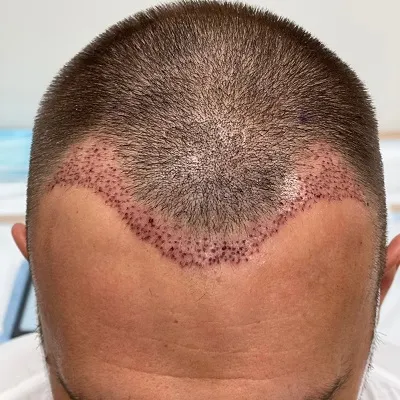

Hair loss can affect confidence, appearance, and everyday comfort. When hair thinning becomes noticeable, a hair transplant can be an option for people looking for a longer-term approach to restoring hair density. However, choosing a technique is not as simple as selecting the most popular method. FUE, DHI, and FUT work differently, and the right choice depends on factors such as the pattern of hair loss, donor hair quality, desired density, scalp condition, and individual goals.
For people considering a Hair Transplant in Dubai, understanding these techniques can make the consultation process easier. A qualified hair-restoration professional can evaluate your hair and recommend an approach based on your individual circumstances rather than using the same technique for everyone.
Understanding Hair Transplant Techniques
Modern hair transplantation generally involves moving healthy hair follicles from a donor area, usually the back or sides of the scalp, to areas affected by hair loss.
The main techniques include:
- FUE (Follicular Unit Extraction): Individual follicular units are extracted from the donor area and implanted into thinning or bald areas.
- DHI (Direct Hair Implantation): Follicular units are extracted individually and placed into the recipient area using an implantation device.
- FUT (Follicular Unit Transplantation): A strip of donor scalp is removed and divided into individual follicular units for transplantation.
Each method has advantages and limitations. The most appropriate option depends on the patient's specific hair characteristics.
Is FUE the Best Hair Transplant Technique?
FUE is one of the most commonly considered approaches for modern hair restoration. During FUE, individual follicles are carefully extracted from the donor area before being prepared and transplanted into areas requiring greater coverage.
One advantage of FUE is that it does not require removing a linear strip of scalp. Instead, multiple small extraction sites are created in the donor region. This can make FUE attractive to people who prefer to keep their hair relatively short.
FUE may be considered for:
- Receding hairlines
- Crown thinning
- Moderate hair loss
- Certain cases of extensive hair loss
- People who prefer a technique without a linear donor scar
However, FUE is not automatically suitable for every patient. Donor density and follicle characteristics need to be assessed before treatment.
Could DHI Be Better for Certain Patients?
DHI is another follicular implantation approach. Like FUE, individual follicles are extracted from the donor area. The difference is primarily in how the follicles are implanted into the recipient area.
A specialized implantation device can allow follicles to be placed at controlled angles and directions. This can be useful when the treatment goal involves creating or refining hairline design and achieving an aesthetically natural appearance.
DHI may be considered when:
- Precise implantation is important
- The treatment involves relatively smaller areas
- Hairline refinement is a major goal
- The patient has suitable donor follicles
DHI is not necessarily superior to FUE in every situation. The quality of planning, follicle handling, extraction, implantation, and overall treatment design can be just as important as the name of the technique.
When Might FUT Be Considered?
FUT remains a recognized hair-restoration technique, although many patients today are more familiar with FUE and DHI.
With FUT, a strip of skin containing hair follicles is surgically removed from the donor area. The strip is then separated into follicular units for transplantation.
FUT can sometimes provide a substantial number of grafts from a suitable donor area. However, it leaves a linear scar, meaning patients who regularly wear very short hairstyles may prefer other options.
Whether FUT is appropriate depends on donor availability, the amount of hair required, previous procedures, and the individual's long-term restoration plan.
Your Hair Loss Pattern Matters
The extent and pattern of hair loss are important when choosing a transplantation method. Someone with early-stage recession may have very different requirements from someone experiencing advanced thinning across the scalp.
A proper assessment may consider:
Hairline
A receding hairline often requires careful planning because the transplanted follicles need to follow the natural direction and angle of existing hair.
Crown
The crown can be more challenging because of its natural whorl pattern. Treatment planning should account for hair direction and available donor follicles.
Overall Density
Patients with widespread thinning may require a larger number of grafts. Donor capacity must be considered to avoid overharvesting.
Donor Hair Quality Is Crucial
A successful transplant depends not only on the recipient area but also on the donor area. Hair follicles from the back and sides of the scalp are commonly used because they can have greater resistance to the effects of androgen-related hair loss.
During a consultation, the donor area may be assessed for:
- Follicle density
- Hair thickness
- Hair characteristics
- Available graft supply
- Scalp condition
- Previous transplant history
A realistic treatment plan should consider both current hair loss and possible future thinning.
How to Choose the Right Technique in Dubai
Choosing between FUE hair transplant in Dubai, DHI, and FUT should be based on professional assessment rather than advertising claims or trends.
Before making a decision, ask about:
- Your current pattern and severity of hair loss
- The quality and availability of donor follicles
- The number of grafts you may require
- Expected density and coverage
- Potential risks and limitations
- Recovery and aftercare
- How future hair loss may affect your results
It is also helpful to understand that transplanted hair does not necessarily prevent untreated native hair from becoming thinner. A long-term hair-management plan may therefore be important.
Choosing a Hair Transplant Clinic in Dubai
Selecting the right clinic is another important part of the process. Look for a facility that provides detailed consultations, transparent treatment planning, appropriate medical assessment, and realistic expectations rather than promising identical results for every patient.
Tajmeels clinic is one option patients may consider when researching hair-restoration services in Dubai. During a consultation, patients can discuss their hair-loss concerns, understand the available techniques, and learn which approach may be appropriate for their individual goals.
Frequently Asked Questions
Which technique gives the most natural-looking hair transplant?
Natural results depend on factors such as hairline design, graft placement, follicle direction, donor selection, and treatment planning. No single technique guarantees the same result for everyone.
Is FUE better than FUT?
FUE may be preferred by people who want to avoid a linear donor scar, while FUT can be considered when a larger number of grafts may be needed. Suitability varies between patients.
Is DHI suitable for everyone?
No. DHI may be useful for certain treatment goals, but donor availability, hair loss pattern, scalp characteristics, and the desired treatment area should be assessed first.
How do I know which technique is right for me?
A personalized consultation is the best way to determine suitability. A qualified professional can examine your scalp and donor area and develop an individualized treatment plan.
Conclusion
There is no universal answer to which Hair Transplant in Dubai technique is best. FUE, DHI, and FUT each have different characteristics, and the ideal approach depends on your hair-loss pattern, donor hair, desired coverage, hairstyle preferences, and long-term goals.
Rather than choosing a procedure solely because it is popular, focus on proper assessment, experienced treatment planning, realistic expectations, and appropriate aftercare. With a personalized approach, patients can make a more informed decision about their hair-restoration journey and choose a technique that fits their individual needs.
More Information
Tajmeels Clinic Dubai
WhatsApp: +971 56 203 8751
Phone: tel:+971 43739000





















Sign in to leave a comment.