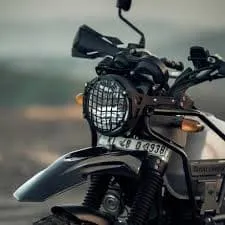

The Royal Enfield Himalayan is built for both everyday riding and challenging journeys, making regular maintenance essential for dependable performance. Whether you use your motorcycle for city commuting, touring, or off-road adventures, properly maintained components can improve safety, comfort, and reliability. Knowing which parts require regular inspection or replacement also helps riders prevent minor issues from becoming expensive repairs.
Understanding the most important Royal Enfield Himalayan Parts is therefore useful for every owner. From braking components and filters to chains, cables, and electrical parts, each plays a specific role in keeping the motorcycle running smoothly.
Why Regular Maintenance Matters for the Himalayan
The Himalayan is designed to handle varied road conditions, including rough surfaces, long-distance routes, and uneven terrain. These conditions can place additional stress on mechanical and electrical components. Dust, mud, water, vibration, and frequent riding can accelerate wear.
Routine inspection helps identify worn or damaged components early. Replacing parts at the right time can maintain braking performance, engine efficiency, handling, and overall riding comfort.
Follow a Preventive Maintenance Approach
Instead of waiting until a component fails, riders should inspect important systems periodically. A preventive approach can reduce unexpected breakdowns and make long-distance rides more dependable.
The motorcycle's service schedule should always be considered when deciding inspection and replacement intervals.
Essential Himalayan Parts for Regular Maintenance
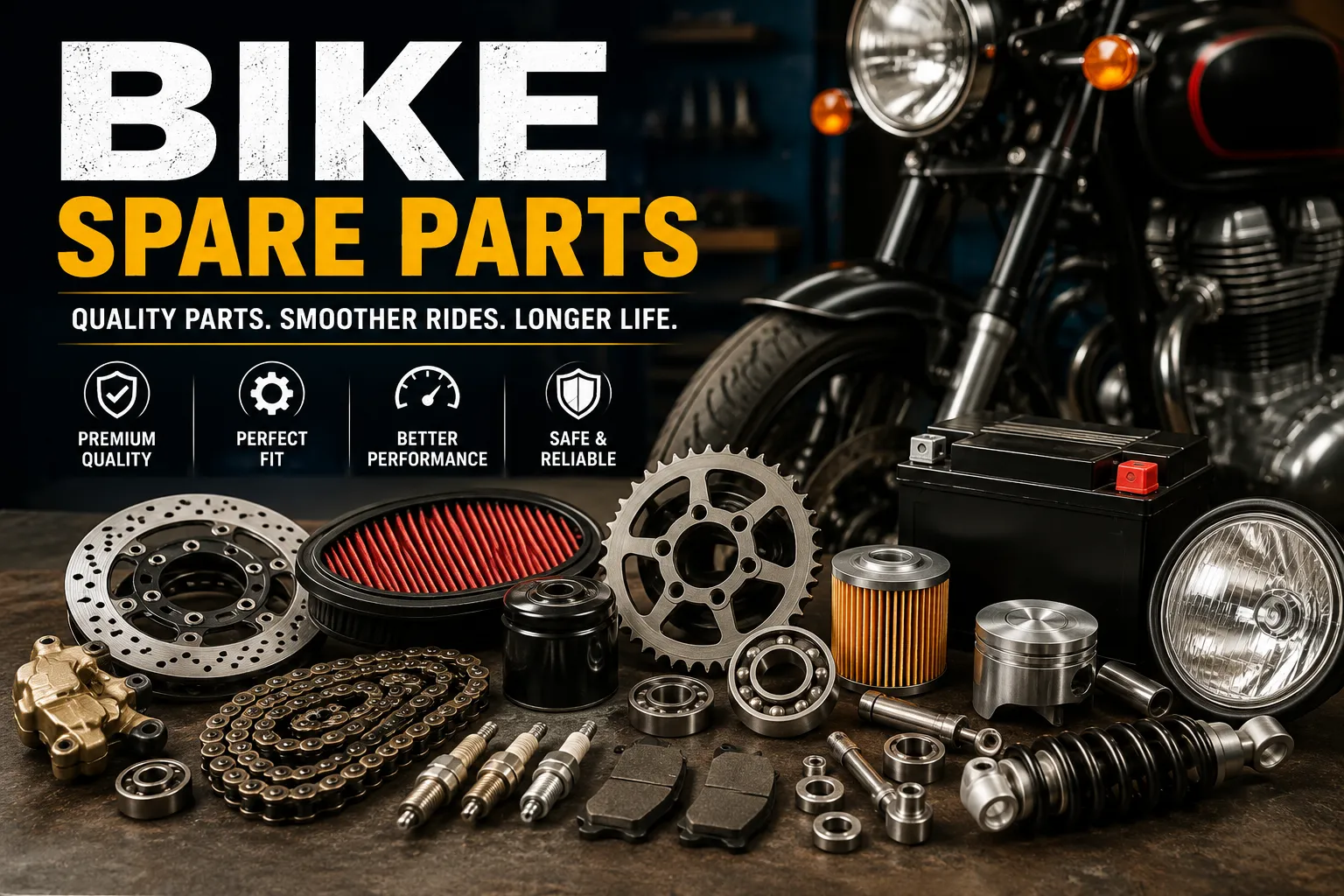
Several components deserve particular attention during routine servicing. While replacement frequency depends on riding conditions and usage, the following parts are commonly important for maintaining a Himalayan.
1. Engine Oil and Oil Filter
Engine oil lubricates internal components and helps control heat and friction. Over time, oil becomes contaminated and loses some of its effectiveness.
The oil filter also plays an important role by helping remove contaminants from the circulating oil. Regular oil and filter replacement according to the manufacturer's recommended service interval supports smoother engine operation and helps protect internal components.
2. Air Filter
The air filter prevents dust and other particles from entering the engine through the intake system. This is particularly important for Himalayan riders who frequently travel on dusty roads or off-road trails.
A clogged or excessively dirty filter can restrict airflow and potentially affect engine performance and fuel efficiency. Inspecting the air filter during servicing is therefore an important maintenance step.
3. Spark Plug
The spark plug is essential for igniting the air-fuel mixture inside the engine. Its condition can influence starting, combustion, and engine performance.
A worn, damaged, or excessively fouled spark plug may contribute to starting difficulties or irregular engine operation. Inspection and replacement at the appropriate interval can help maintain reliable ignition.
Braking Components
Reliable brakes are essential for every motorcycle, especially one used for touring or off-road riding. Brake components should be inspected regularly for wear and damage.
Brake Pads and Discs
Brake pads gradually wear during normal use. Their condition should be checked during routine servicing, particularly if braking performance changes or unusual noises develop.
Brake discs should also be inspected for excessive wear, damage, or abnormal surfaces. Since braking is directly related to rider safety, worn components should not be ignored.
Brake Fluid
Brake fluid should be maintained according to the manufacturer's recommendations. Old or contaminated fluid can affect braking-system performance.
Regular checks can help identify leaks or other problems before they become serious.
Chain and Drive Components
The motorcycle chain transfers engine power to the rear wheel and is exposed to dirt, moisture, and road debris. Proper chain maintenance is especially important for riders who frequently travel through challenging conditions.
Inspect the chain for excessive slack, unusual wear, rust, or damaged links. Cleaning and lubrication at suitable intervals can help reduce friction and extend chain life.
Sprockets
The front and rear sprockets should be inspected along with the chain. Worn sprocket teeth can affect the drive system and may accelerate chain wear.
Replacing heavily worn drive components together can help maintain smoother power transmission.
Clutch and Cables
The clutch system is used constantly during city riding and becomes particularly important during slow-speed technical riding.
Inspect the clutch lever, cable, and related components for smooth operation. Excessive stiffness, unusual free play, or difficulty engaging gears may indicate that inspection or adjustment is required.
Other control cables should also be checked for damage, stiffness, or signs of deterioration.
Tyres and Wheels
Tyres are among the most important safety-related components on any motorcycle. Himalayan riders should inspect tyre condition regularly, especially before long journeys.
Check Tread and Tyre Pressure
Look for uneven tread wear, cuts, cracks, punctures, or other visible damage. Maintaining appropriate tyre pressure is equally important because incorrect pressure can affect handling, braking, comfort, and tyre wear.
Wheel rims should also be checked for damage, particularly after riding over potholes, rocks, or rough terrain.
Suspension Components
The Himalayan's suspension contributes significantly to handling and rider comfort. Regular inspection can help identify leaks, damage, or abnormal operation.
Check the front suspension and rear shock absorber for signs of oil leakage or unusual behavior. If the motorcycle feels unstable, excessively bouncy, or different from normal, professional inspection may be necessary.
Battery and Electrical Parts
Electrical reliability is important for starting, lighting, signaling, and other motorcycle functions.
Battery
Inspect the battery and terminals for corrosion, loose connections, or other visible issues. A weak battery may cause starting problems, particularly after the motorcycle has been unused for an extended period.
Lights and Switches
Headlights, tail lights, indicators, horn, and switches should be checked periodically. Faulty lighting can reduce visibility and create safety concerns, particularly during night riding or poor weather.
Other Parts Worth Inspecting
In addition to major mechanical components, several smaller parts can contribute to the motorcycle's overall reliability. These include:
- Brake and clutch levers
- Mirrors
- Bearings
- Fasteners and bolts
- Side-stand components
- Foot pegs
- Cables
- Gaskets and seals
- Fuses
- Indicators
- Body and protective components
These items may not always require frequent replacement, but regular inspection can help identify damage or excessive wear.
How to Choose the Right Replacement Parts
When replacing components, compatibility should be your first consideration. Different Himalayan versions or model years may use different specifications, so confirm the exact motorcycle variant before purchasing.
Consider Quality and Compatibility
Avoid selecting a replacement component based only on its appearance or the lowest price. Check specifications, compatibility details, dimensions, and manufacturer information.
For safety-critical components such as brakes, tyres, suspension parts, and electrical components, choosing reliable, properly specified products is especially important.
When Should You Replace Himalayan Parts?
There is no single replacement interval for every component. Some parts are replaced according to scheduled maintenance, while others depend on condition and riding habits.
Frequent touring, off-road riding, dusty environments, heavy loads, and harsh weather can increase component wear. Riders should therefore combine the recommended maintenance schedule with regular visual and functional inspections.
If you notice unusual noises, reduced braking performance, starting problems, excessive vibration, poor handling, or changes in engine behavior, have the motorcycle inspected rather than continuing to ride with a potentially damaged component.
Conclusion
Regular maintenance is one of the simplest ways to keep a Himalayan reliable and ready for everyday rides or long adventures. Engine oil and filters, spark plugs, brakes, chains, sprockets, tyres, suspension components, cables, battery, and electrical parts all deserve appropriate attention.
Understanding which Royal Enfield Himalayan Parts require inspection makes maintenance more organized and helps riders identify potential problems early. By following recommended service intervals, checking components regularly, and selecting compatible replacement parts from a dependable source such as Arovehic, Himalayan owners can enjoy a safer, smoother, and more dependable riding experience.

























Sign in to leave a comment.