Which Home Energy Efficiency Upgrades Every Homeowner Should Consider?

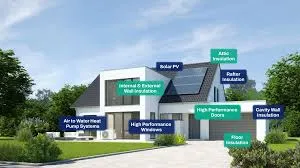

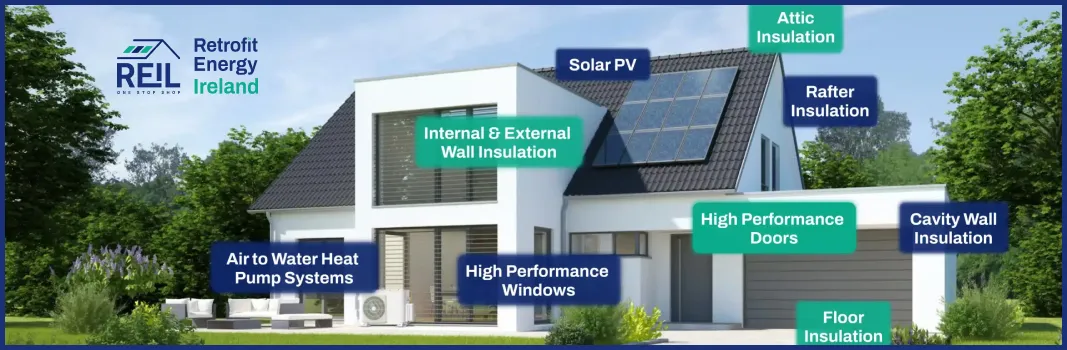
A home does not become energy efficient through one improvement alone. Heat loss can be through roof, walls, windows and ventilation. Heating systems grow less effective with age. Many Irish homeowners start to look into home energy efficiency upgrades when they see rising energy bills, or want a warmer and more pleasant home throughout the year.
How the property performs now will determine the right upgrade. Homeowners can increase comfort and reduce unnecessary energy loss by taking a planned approach. Knowing what improvements are possible makes it easier to select where to begin.
Start by Identifying Where Heat Escapes
Every home loses heat in different ways.
Check the building fabric
Older houses are generally badly insulated, losing heat through roofs, walls and floors.
A complete assessment enables us to identify which areas would need the most improvement. .
Review the home's overall performance
Looking at the home as a whole gives a better view of energy use.
This helps homeowners to prioritise upgrades. That targets the greatest causes of heat loss.
Improve Roof Insulation for Better Heat Retention
One of the biggest places where warm air can go out is the roof.
Upgrade attic insulation
Improved insulation in the attic traps more heat in the cooler months.
Many homeowners also look at attic insulation grants Ireland to assist cut the cost of qualified improvement works.
Adding insulation can increase comfort indoors and reduce heating demand.
Check existing insulation
Some homes have insulation that is not working well anymore.
Checking the health will assist you decide if you need more or a total overhaul.
Reduce Air Leakage Throughout the Property
Even a small gap can make a big difference to energy performance .
Identify unwanted drafts
Warm air can escape through gaps surrounding doors, windows, loft areas and service penetrations.
Identifying these locations allows homeowners to make focused improvements.
Use professional testing
Many property owners use air tightness testing Ireland to assess the amount of uncontrolled air moving in and out of the home.
The results are vital information before major energy improvements are completed.
Upgrade Heating Systems That Use Less Energy
Heating accounts for a significant share of household energy use.
Consider modern heating technology
Many home owners are replacing their outdated heating equipment with air to water heating systems that provide efficient space heating and hot water.
Such solutions operate best in combination with good insulation and improved airtightness.
Match the system to the property
Heating upgrades should take the size, layout, and energy performance of the property into account.
Selecting the right equipment for the property helps to enhance long-term efficiency and comfort.
Plan Improvements as One Connected Project
Energy upgrades often deliver better results when they work together.
Combine improvements thoughtfully
The performance of a home is affected by its insulation, airtightness and heating.
Planning these renovations as one project will help you create a more comfortable living environment. Also support higher energy efficiency in the long run.
Take a long-term view
Some improvements can be done first, some later.
A plan of action helps clarify for homeowners to prioritise work based on the state of the property and available resources.
Check Available Grant Opportunities
Financial support can make energy improvements more achievable.
Explore grant options
Many qualified homeowners research home energy grants Ireland before they start restoration work.
Eligible improvements that increase the energy performance of existing homes can be funded through grant schemes.
Early eligibility checks help with planning and budgeting.
Keep project documentation
Quotations, appraisals, and installation records are generally helpful in the application process.
Organising these documents can help make each stage of the project easier to handle.
Choose Experienced Energy Upgrade Professionals
The quality of the installation is just as important as the products being installed.
Look for relevant experience
Energy upgrades require multiple aspects of the home to operate together.
Experienced professionals may inspect the property. Also advise what renovations would be suitable for the type of building and condition.
Ask about the assessment process
Knowing how suggestions are generated provides homeowners more confidence before work begins.
A comprehensive explanation of the suggested improvements helps create realistic expectations as well.
Conclusion
The first step in making the correct home energy efficiency renovations. It is to understand how your home uses and loses energy. For homeowners looking at home energy grants Ireland is a good place to start planning upgrades with a better awareness of what support is available in addition to investing in long-term comfort and performance.




Sign in to leave a comment.