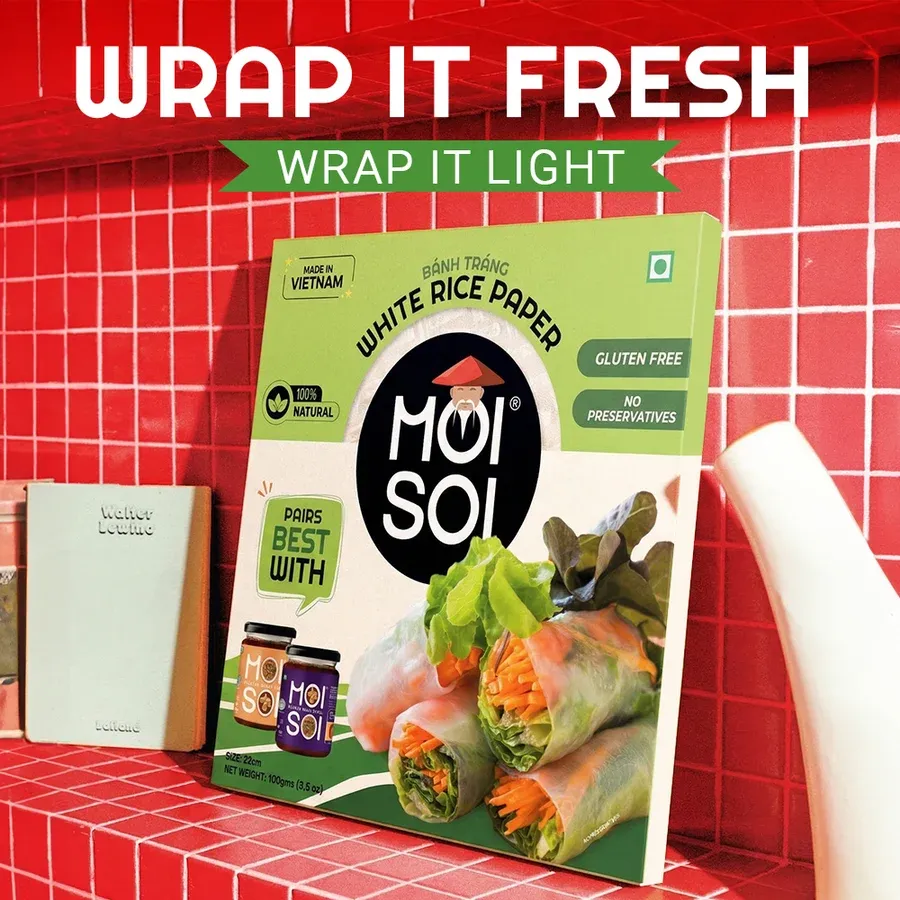

Rice paper is one of the most versatile ingredients for making fresh rolls, wraps, appetisers, and light Asian-inspired meals. But when you shop for rice paper, you may come across different varieties, including traditional white rice paper and brown rice paper.
So, white rice paper vs brown rice paper: which is healthier?
The answer depends on what you mean by "healthier" and what you want from your meal. Brown rice paper may offer a more whole-grain-oriented option depending on its ingredients, while white rice paper is often chosen for its neutral flavour, delicate texture, and versatility.
However, the wrapper is only one part of a rice paper roll. The vegetables, protein, noodles, sauces, and other fillings you add can have a much greater influence on the overall nutritional profile of your meal.
Let's explore the differences so you can choose the right rice paper for your recipes.
What Is Rice Paper?
Rice paper is a thin, flexible wrapper commonly used to make fresh rolls and other Asian-inspired dishes.
Depending on the product, rice paper can contain rice flour or rice-based ingredients along with water and other components used to create the wrapper. Once softened in water, the dry sheet becomes flexible enough to wrap vegetables, noodles, herbs, tofu, seafood, or other fillings.
Rice paper is particularly popular because it requires very little cooking. Most wrappers simply need to be softened before assembly.
The thin wrapper also allows the flavours and textures of the filling to remain the focus.
What Is White Rice Paper?
White rice paper is the familiar pale, translucent wrapper commonly used for fresh rice paper rolls.
It typically has a mild flavour, allowing the ingredients inside the roll to stand out.
Its neutral taste makes it suitable for a wide range of fillings, from crunchy vegetables and fresh herbs to tofu, chicken, shrimp, and noodles.
White rice paper is also visually appealing because the translucent wrapper allows colourful fillings to show through.
What Is Brown Rice Paper?
Brown rice paper is generally made with brown rice or incorporates brown-rice ingredients into the wrapper.
Brown rice is a whole grain, meaning the bran and germ are retained. Depending on the specific rice paper formulation, this can influence its fibre content, colour, flavour, and texture.
However, it is important not to assume that every product labelled "brown rice paper" automatically has a significantly different nutritional profile from every white rice paper product.
The ingredient list and nutrition information on the specific package are the best way to make an accurate comparison.
White Rice Paper vs Brown Rice Paper: Key Differences
The most noticeable differences usually involve ingredients, colour, flavour, texture, and nutritional composition.
1. Ingredients
White rice paper is generally associated with refined or polished rice ingredients.
Brown rice paper may contain brown rice or whole-grain rice ingredients.
Because recipes vary between manufacturers, always check the ingredient list rather than judging a wrapper solely by its colour.
2. Colour
White rice paper is typically pale and translucent after soaking.
Brown rice paper can have a slightly darker or warmer appearance.
The difference can make brown rice paper particularly attractive when you want a more rustic-looking wrap.
3. Flavour
White rice paper usually has a mild, neutral flavour.
Brown rice paper may have a slightly nuttier or more pronounced grain flavour, depending on its formulation.
This can be useful when you want the wrapper itself to contribute more character to the finished dish.
4. Texture
Both varieties become flexible after soaking.
White rice paper is often appreciated for its delicate, soft texture.
Brown rice paper can have a somewhat more substantial feel, depending on the ingredients and thickness of the wrapper.
The ideal texture ultimately comes down to personal preference and the specific product.
Is Brown Rice Paper Healthier?
Brown rice paper can be a useful choice if you are specifically looking for a wrapper made with whole-grain rice ingredients.
Brown rice naturally contains more of the grain than white rice because the bran and germ remain intact. This means brown-rice products can provide more fibre and micronutrients than comparable refined-rice products.
However, the nutritional difference between two rice paper wrappers depends on their exact formulations and serving sizes.
A brown rice wrapper is not automatically a low-calorie food, nor does choosing brown rice paper alone make an entire meal healthier.
Think about the complete recipe.
A rice paper roll filled with colourful vegetables, a lean or plant-based protein, fresh herbs, and a balanced dipping sauce can have a very different nutritional profile from one filled primarily with heavily processed or fried ingredients.
Is White Rice Paper Unhealthy?
No. White rice paper is not inherently unhealthy.
It can be a convenient wrapper for fresh meals and is generally used in relatively small quantities per roll.
Its mild flavour also makes it easy to combine with nutrient-rich fillings.
If you enjoy white rice paper and it works well for your recipes, there is no need to avoid it simply because brown rice paper exists.
Instead, consider the overall ingredients in your meal.
Fibre: Brown vs White Rice Paper
Fibre is one of the main nutritional differences to investigate when comparing whole-grain and refined-grain products.
Brown rice retains the bran layer, which contains dietary fibre. Refined white rice has had the bran and germ removed.
However, the amount of fibre in a finished rice paper wrapper depends on how the manufacturer formulates the product.
If fibre is important to you, check the nutrition label and compare the fibre per serving rather than relying only on the words "brown rice" or "white rice."
You can also increase the fibre content of your rice paper meal by adding vegetables, leafy greens, beans, or other fibre-rich ingredients.
Calories and Carbohydrates
Both white and brown rice paper can contribute carbohydrates to a meal because rice-based ingredients are carbohydrate-rich.
The calorie and carbohydrate difference between specific products may be relatively small or may vary depending on the formulation and serving size.
This is why comparing the nutrition panels of the actual products you are considering is more useful than assuming that one variety always contains fewer calories or carbohydrates.
If you are monitoring carbohydrate intake, look at the total carbohydrate per wrapper and consider how many wrappers you use in one meal.
Which Rice Paper Is Better for Weight Management?
Neither white nor brown rice paper should automatically be considered a "weight-loss food."
What matters more is the overall energy content and composition of your meal.
Rice paper can be useful for creating portion-controlled wraps because you can fill each sheet with vegetables and protein without relying on large amounts of bread or pastry.
For a more filling meal, combine rice paper with ingredients such as:
- Crunchy vegetables
- Leafy greens
- Tofu
- Chicken
- Shrimp
- Edamame
- Fresh herbs
- Rice noodles in moderate portions
A flavourful dipping sauce can then bring the roll together.
Which One Is Better for Fresh Rice Paper Rolls?
Both can work well.
Choose white rice paper if you want:
- A neutral flavour
- A delicate wrapper
- A translucent appearance
- A versatile base for different fillings
- A classic fresh-roll experience
Choose brown rice paper if you prefer:
- A whole-grain-oriented ingredient
- A slightly more pronounced grain character
- A darker, more rustic appearance
- An alternative to traditional white wrappers
There is no universal winner. Your choice can depend on your dietary priorities, recipe, texture preference, and taste.
How to Make Healthier Rice Paper Rolls
Regardless of the wrapper you choose, the filling provides plenty of opportunities to improve the nutritional balance of your meal.
Add Plenty of Vegetables
Use colourful vegetables such as cucumber, carrot, bell pepper, cabbage, lettuce, and leafy greens.
Include Protein
Tofu, chicken, shrimp, fish, eggs, beans, or other protein-rich ingredients can make your rolls more satisfying.
Add Fresh Herbs
Mint, coriander, Thai basil, and other fresh herbs can add flavour without requiring large quantities of sauce.
Choose Noodles Thoughtfully
Rice noodles can provide a familiar texture, while other noodle varieties can change the flavour and nutritional profile of the roll.
Pay Attention to Dips
Dipping sauces can contribute significant amounts of sodium, sugar, or fat depending on the recipe.
Instead of coating the entire roll in sauce, serve a moderate portion on the side so you can control how much you use.
Can You Use Brown Rice Paper for the Same Recipes?
In most cases, brown rice paper can be used for many of the same fresh-roll applications as white rice paper.
You can fill it with vegetables, noodles, tofu, shrimp, chicken, herbs, and other ingredients.
The main adjustment may be handling.
Different rice paper products can vary in thickness and soaking requirements, so follow the preparation instructions on the package.
Avoid assuming that every wrapper needs exactly the same soaking time.
How to Soften Rice Paper Without Tearing It
Whether you use white or brown rice paper, proper hydration is essential.
Fill a wide dish with lukewarm or room-temperature water.
Dip one wrapper into the water and wet it evenly.
Remove it while it is still slightly firm rather than waiting until it becomes extremely soft.
Place it on a clean work surface and allow it to continue softening.
Add a moderate amount of filling, fold the bottom edge over the ingredients, fold in the sides, and gently roll forward.
For more practical techniques, see our guide on how to roll rice paper rolls without tearing them.
White Rice Paper vs Brown Rice Paper: What Should You Choose?
The best choice depends on your priorities.
If you want a neutral wrapper that lets the filling take centre stage, white rice paper can be an excellent option.
If you are specifically looking for a brown-rice or whole-grain-oriented wrapper, brown rice paper may better fit your preferences.
For nutrition, don't stop at the front of the package. Compare the ingredient lists, fibre, carbohydrates, calories, sodium, and serving size.
Most importantly, look at the entire meal.
A well-balanced rice paper roll can combine vegetables, protein, herbs, and a flavourful dipping sauce in a convenient handheld format.
Frequently Asked Questions
1. Is brown rice paper healthier than white rice paper?
Brown rice paper may offer advantages when it contains whole-grain brown rice ingredients, particularly in terms of fibre. However, the nutritional difference depends on the specific products, so check their ingredient lists and nutrition labels.
2. Is white rice paper healthy?
White rice paper can be part of a balanced diet. Its nutritional contribution depends partly on the amount used and the fillings and sauces included in the overall meal.
3. Does brown rice paper have more fibre?
It can, especially when the product contains whole-grain brown rice ingredients. However, fibre levels vary between products, so check the nutrition information for the specific wrapper.
4. Can I use brown rice paper for Vietnamese-style fresh rolls?
Yes. Brown rice paper can be used for many fresh-roll recipes. Follow the preparation instructions for the particular product because soaking requirements can vary.
5. Which rice paper is easier to roll?
This depends on the specific brand and wrapper thickness. White rice paper is often familiar to home cooks, but both varieties can be easy to roll when properly hydrated and not overfilled.
6. What makes a rice paper roll healthier?
The overall filling matters considerably. Adding vegetables, fresh herbs, and a suitable protein source can make a more balanced meal, while keeping high-sugar or heavily processed sauces and fried fillings moderate.

























Sign in to leave a comment.