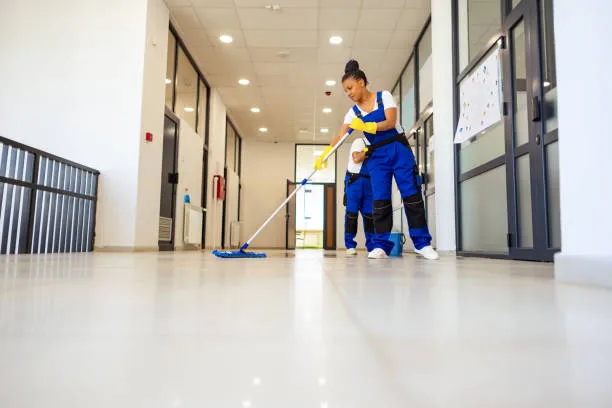

Walk into any workplace and you will probably notice its cleanliness before you notice much else.
Dirty floors, overflowing bins, dusty surfaces, or poorly maintained bathrooms can quickly affect how customers, employees, and visitors perceive a business. On the other hand, a clean and organised environment tends to feel more professional and easier to work in.
That is why commercial cleaning should be viewed as part of everyday business operations rather than simply an occasional maintenance task.
First Impressions Start With Cleanliness
Customers often form an impression of a business within minutes of entering the premises.
Reception areas, windows, floors, bathrooms, and shared spaces are among the first things people see. If those areas look neglected, visitors may assume the same lack of attention applies elsewhere in the business.
A consistently clean workplace helps create a more professional environment and shows that the business takes its premises seriously.
This can be particularly important for customer-facing businesses such as retail stores, restaurants, gyms, medical facilities, and professional offices.
High-Traffic Areas Need More Attention
Not every part of a workplace becomes dirty at the same rate.
Entrances, hallways, bathrooms, kitchens, lifts, and shared desks often experience far more traffic than storage rooms or private offices.
Instead of applying the same cleaning schedule everywhere, businesses can identify their busiest areas and clean them more frequently.
For example, an office bathroom may require daily attention while a meeting room used only occasionally may need less frequent cleaning.
Creating a cleaning schedule around actual usage can make maintenance more efficient.
A Cleaner Space Can Be Easier to Work In
Clutter and dirt can make even a well-designed workplace feel disorganised.
Keeping desks, floors, common areas, and kitchens maintained can make the environment more comfortable for employees and easier to manage throughout the week.
Regular cleaning also prevents small maintenance issues from becoming larger jobs.
For example, frequently vacuuming carpets can prevent dirt from becoming deeply embedded, while routinely cleaning floors can reduce the buildup of grime that may later require more intensive treatment.
Different Businesses Have Different Cleaning Requirements
An office does not have the same cleaning needs as a warehouse.
Similarly, a restaurant, school, gym, retail store, or healthcare environment may require a completely different cleaning routine.
Businesses should consider factors such as:
- Number of employees and visitors
- Operating hours
- Type of flooring
- Number of bathrooms
- Food preparation areas
- High-touch surfaces
- Customer-facing spaces
- Industry-specific hygiene requirements
This is one reason many businesses choose professional commercial cleaning services rather than relying entirely on employees to handle cleaning alongside their normal responsibilities.
A professional provider can usually create a schedule around the size, layout, and usage of the premises.
Routine Cleaning and Deep Cleaning Serve Different Purposes
Routine cleaning handles the everyday work required to keep a workplace presentable.
This may include:
- Vacuuming
- Mopping
- Emptying bins
- Cleaning bathrooms
- Dusting surfaces
- Cleaning kitchens
- Wiping frequently touched areas
Deep cleaning focuses on areas that do not necessarily need attention every day.
Carpet cleaning, window cleaning, pressure washing, detailed floor cleaning, and hard-to-reach areas are examples of tasks that may be scheduled periodically.
Using both approaches helps prevent dirt and wear from gradually accumulating.
Consistency Is More Important Than Occasional Intensive Cleaning
One of the biggest mistakes businesses can make is waiting until a workplace looks noticeably dirty before cleaning it properly.
Cleaning tends to be easier when it is performed consistently.
A regular schedule can prevent rubbish, dust, stains, and grime from reaching the point where they require significantly more effort to remove.
Consistency can also make expectations clearer. Employees know which areas will be maintained, while business owners have a predictable routine rather than arranging cleaning only when problems become obvious.
Choosing a Commercial Cleaning Provider
Price is important, but it should not be the only factor considered when selecting a cleaning company.
Businesses should also ask:
- What services are included?
- How often will cleaning take place?
- Can the schedule be customised?
- Is the company insured?
- How are cleaners screened and trained?
- What happens if a cleaner is unavailable?
- How are quality issues reported?
- Are specialist services available when required?
Getting these details in writing can prevent misunderstandings later.
A clear cleaning scope should explain which areas will be serviced, which tasks will be completed, and how frequently the work will occur.
























Sign in to leave a comment.