

Creating the right workplace can influence productivity, employee satisfaction, operating costs, and future business growth. Traditional construction can require considerable planning, extended timelines, and significant investment before a usable office becomes available. For businesses seeking a more adaptable approach, a modular office building can provide a practical alternative that combines speed, flexibility, comfort, and functionality. With careful planning, a modular workspace can accommodate changing operational needs while providing professional facilities for employees, managers, visitors, and clients. This approach allows businesses to create useful office accommodation without relying entirely on conventional construction methods.
Faster Workspace Development
Reducing Construction Times
Time plays an important role when additional office accommodation is needed. Traditional construction can involve numerous stages, including design, groundwork, structural work, electrical installation, interior finishing, and final preparation. Modular construction can simplify parts of this process because elements may be prepared before installation at the intended location. This can help reduce the overall disruption associated with creating additional workspace. Businesses can potentially begin using their new facilities sooner, allowing employees to move into productive working environments without waiting through an unnecessarily long construction programme.
Supporting Immediate Business Requirements
Business requirements can change quickly, especially when companies expand their workforce, secure new contracts, or launch additional services. Waiting months for permanent construction may create unnecessary pressure on existing office facilities. A modular office solution can provide additional accommodation while longer term property decisions are considered. This makes it useful for businesses that need meeting rooms, administrative areas, management offices, staff facilities, or larger working spaces within a relatively short period. Having an adaptable solution available can help businesses respond to opportunities without allowing limited office space to restrict their operational plans.
Flexible Office Design
Creating Purpose Built Layouts
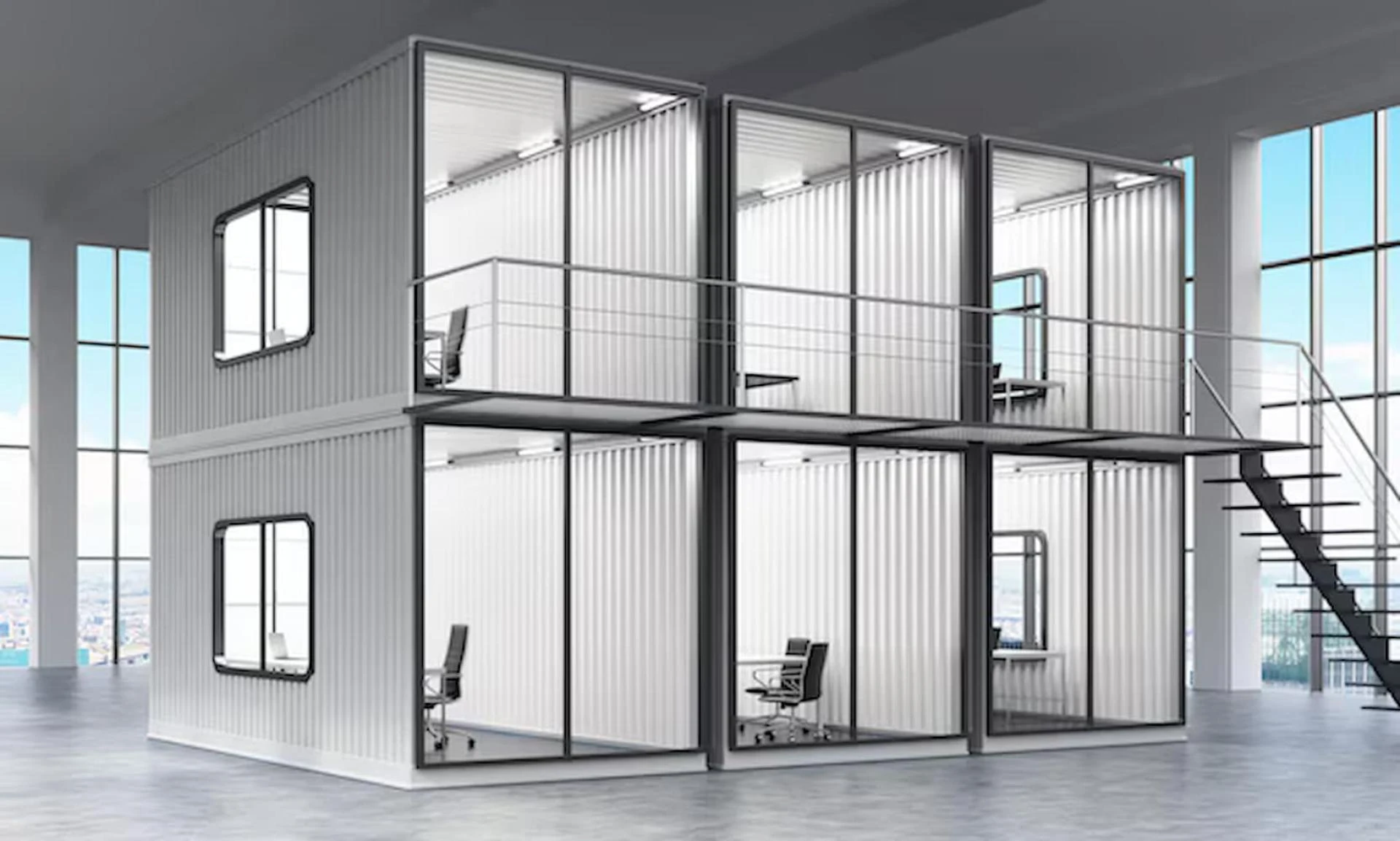
A modern office needs to support different activities throughout the working day. Employees may require private offices for focused tasks, shared areas for collaboration, meeting rooms for discussions, and comfortable staff facilities for breaks. Modular construction can allow these requirements to be considered during the design process. Internal layouts can be planned around the way a business operates rather than forcing employees to adapt to an unsuitable existing building. This ability to create purpose built spaces can improve workflow and make better use of the available floor area.
Adapting to Future Growth
A business investment should ideally remain useful as circumstances change. Workforce numbers can increase, departments can expand, and operational requirements can develop over time. Modular office solutions can provide flexibility that supports these changes more effectively than a rigid workspace. Additional units or altered configurations may offer opportunities for future expansion, depending on the site and original design. Planning for potential growth from the beginning can reduce the likelihood of quickly outgrowing the workspace. This forward thinking approach can help businesses maintain suitable accommodation while avoiding unnecessary disruption when their needs evolve.
Cost Effective Business Planning
Controlling Initial Costs
Budget management remains essential for businesses investing in new premises. Traditional construction can involve substantial costs across materials, labour, professional services, groundwork, and project management. Modular construction can offer an alternative approach that may provide greater control over certain project expenses. The final cost will depend on factors such as building size, specification, insulation, interior finishes, utilities, transportation, and installation. Establishing clear requirements at the beginning can help businesses prioritise essential features and manage their investment more effectively. This can make modular accommodation an attractive option for organisations working within carefully planned budgets.
Avoiding Unnecessary Property Commitments
Not every business is ready to purchase or construct a permanent commercial property. A company may be experiencing growth, operating from temporary premises, managing a project, or waiting for a long term property decision. A modular office can provide useful accommodation without requiring an immediate commitment to a large permanent building. This can give businesses more time to evaluate their future requirements based on actual operational performance. Such flexibility can be particularly valuable when workforce levels, project demands, business locations, or market conditions are expected to change over the coming years.
Comfortable Working Environments
Supporting Employee Productivity
Office accommodation needs to provide more than basic shelter. Employees spend substantial amounts of time in the workplace, so comfort, lighting, ventilation, temperature control, and suitable internal layouts can influence the overall working experience. A well designed modular office can incorporate insulation, heating, ventilation, electrical systems, windows, flooring, lighting, and appropriate finishes. These features can create a professional and comfortable environment for everyday activities. When employees have access to suitable facilities, businesses can create conditions that encourage concentration, collaboration, communication, and productivity throughout the working day.
Providing Professional Facilities
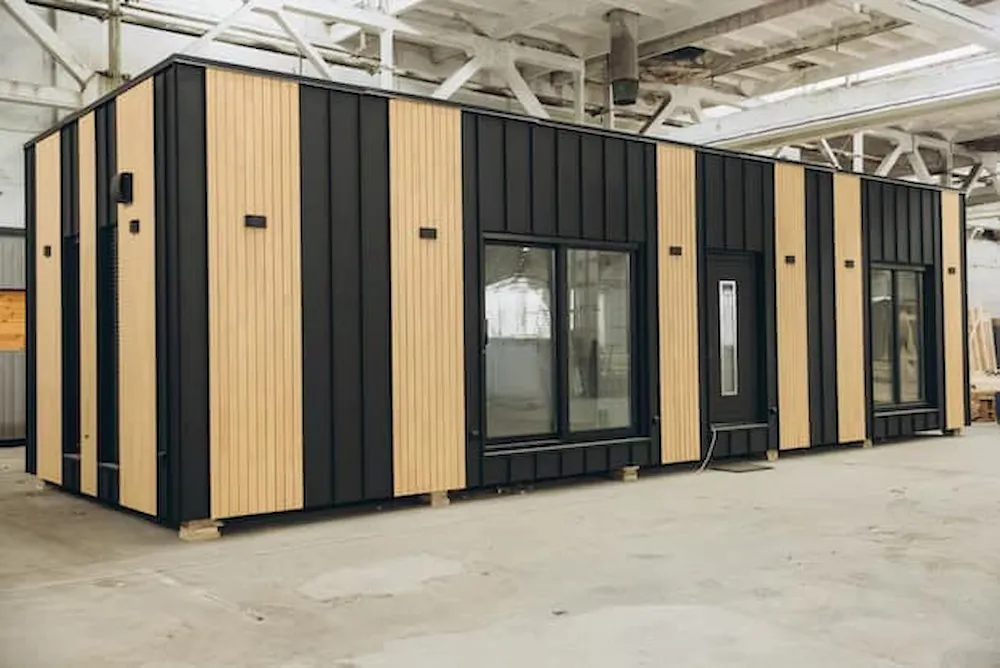
A professional appearance can also influence how clients, suppliers, visitors, and employees perceive a business. Modular offices can be designed with attractive external finishes and practical internal arrangements that create a polished working environment. Reception areas, meeting rooms, private offices, and staff facilities can all contribute to a more professional setting. The ability to customise the design means businesses can select finishes and layouts that reflect their operational requirements. A thoughtfully designed workspace can therefore combine practicality with a professional atmosphere suitable for meetings, administration, management, and everyday business activities.
Suitable for Multiple Industries
Construction and Project Operations
Construction companies often require offices close to active projects, making flexible accommodation particularly useful. Site based offices can provide areas for project managers, supervisors, administrators, contractors, and visitors. They can also support document management, planning discussions, and day to day coordination. Because construction locations and project requirements can change, a flexible office solution can provide valuable adaptability. The workspace can be designed around the specific demands of the project while maintaining a more organised environment for administrative and management activities. This can help separate office operations from active construction areas.
Commercial and Industrial Businesses
Modular offices can also serve commercial and industrial businesses requiring additional accommodation beside existing facilities. Warehouses, factories, workshops, and distribution centres may need offices for administration, supervision, logistics, management, or customer support. A modular structure can create dedicated office space without requiring major alterations to an existing operational building. This can help preserve valuable production or storage areas while providing employees with suitable working conditions. Businesses can therefore improve their facilities without necessarily interrupting core activities for an extended construction period.
Energy Efficiency and Sustainability
Improving Building Performance
Energy performance can be an important consideration when creating a modern office. Insulation, efficient heating systems, suitable ventilation, energy efficient lighting, and well planned windows can all contribute to improved indoor conditions. A modular office can incorporate these features during the design stage, allowing energy performance to form part of the overall specification. Better building performance can support comfortable working conditions while potentially helping businesses manage ongoing energy expenses. Choosing suitable materials and systems from the beginning can therefore contribute to a more efficient and responsible workplace.
Supporting Responsible Construction
Sustainability is increasingly influencing business investment decisions. Modular construction can support a more resource conscious approach through controlled manufacturing, efficient material use, reuse, refurbishment, and adaptable building systems. The environmental performance of any project will depend on its materials, transportation, energy consumption, lifespan, and eventual reuse or disposal. Nevertheless, designing a workspace that can be adapted for changing requirements can reduce the likelihood of unnecessary replacement. A durable office structure that remains useful through different stages of business development can provide both practical and environmental value.
Easy Workplace Expansion
Adding Space When Required
Business expansion does not always happen according to a predictable schedule. A company may gain new clients, employ additional staff, or introduce new departments that require extra accommodation. Modular office solutions can help businesses respond to these situations by providing additional space without immediately replacing their existing premises. Depending on site conditions and the original design, further units may be integrated into a wider workspace plan. This can allow businesses to develop their office facilities gradually instead of making a large investment based entirely on uncertain future requirements.
Supporting Temporary Requirements
Temporary workspace requirements are common across many sectors. Businesses may need additional offices during refurbishment projects, relocations, seasonal increases, staff training periods, or temporary operational changes. A modular office can provide a practical workplace during these periods without becoming an unnecessary permanent commitment. Once the temporary requirement ends, the space may potentially be relocated, adapted, or repurposed depending on the structure and circumstances. This flexibility can make modular accommodation particularly useful for businesses that need to respond to short term changes while maintaining professional working conditions.
Practical Long Term Investment
Combining Flexibility and Functionality
A smart business investment should provide value beyond its initial installation. Modular office buildings can combine practical design with the flexibility needed to respond to changing operational requirements. Instead of viewing modular accommodation as a temporary compromise, businesses can approach it as a carefully designed workplace that supports everyday operations. Features such as suitable insulation, efficient utilities, comfortable interiors, meeting facilities, storage, and adaptable layouts can contribute to long term usefulness. With appropriate maintenance and planning, a modular office can remain a valuable part of a company's accommodation strategy for many years.
Planning for Business Continuity
Reliable workspace contributes to business continuity by providing employees with a consistent environment for daily operations. When businesses face unexpected growth, relocation requirements, building refurbishment, or temporary site changes, flexible accommodation can reduce pressure on existing facilities. A modular office can provide a dedicated space for essential activities while other premises are unavailable or unsuitable. Planning this type of accommodation in advance can give businesses greater confidence when operational changes occur. Instead of reacting to workspace shortages at the last moment, organisations can establish a more adaptable strategy for maintaining productivity.
Conclusion
A modular office building can be a smart business investment because it combines speed, flexibility, practical design, cost awareness, and long term adaptability. Businesses can use modular offices for expansion, temporary projects, industrial operations, construction sites, administration, and many other workplace requirements. With careful specification, these buildings can provide comfortable interiors, professional facilities, efficient energy performance, and layouts designed around everyday activities. As business needs continue to change, adaptable workspace can provide valuable support without forcing companies into unnecessary commitments. Halletts Spaces can help businesses explore practical modular office solutions designed around their specific accommodation requirements.























Sign in to leave a comment.