

Indoor environmental concerns can be difficult to understand when the signs are subtle, inconsistent, or located far from their original source. Musty odors, recurring condensation, water stains, and damp building materials may indicate that conditions deserve closer attention, but these signs do not always reveal the cause on their own. A professional mold inspection service helps property owners evaluate these concerns through a structured process that considers visible conditions, moisture patterns, ventilation, and the building's history. This approach supports more informed decisions by distinguishing observed evidence from assumptions and identifying when further investigation may be appropriate.
Recognizing Signs That Deserve Further Investigation
Looking Beyond Visible Mold
Visible mold growth is one possible warning sign, but other observations may also justify investigating moisture conditions. Peeling paint, discolored ceilings, bubbling finishes, persistent condensation, and recurring musty odors can indicate that water or humidity is affecting certain areas. These symptoms may have different causes, so none should be treated as definitive proof of mold without appropriate evaluation. A professional assessment considers where the signs appear, whether they return after cleaning, and whether previous leaks or repairs could be relevant. Understanding the pattern can help determine whether the concern is isolated or connected to a broader building condition.
Why Experience and a Structured Process Matter
Examining the Property Methodically
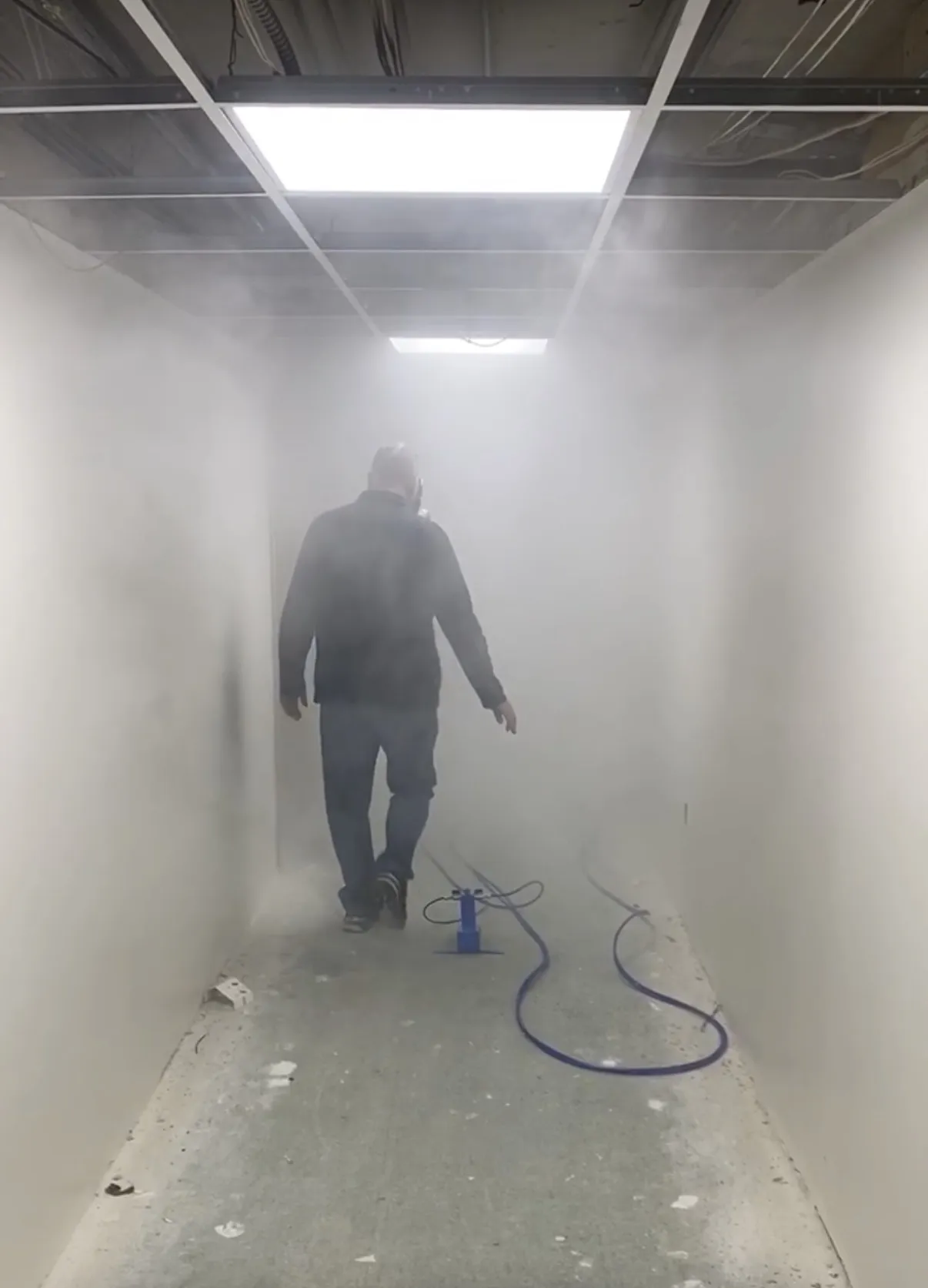
A structured inspection considers the property as a collection of connected spaces and systems rather than focusing only on the most noticeable mark. Depending on the reported concern, an inspector may evaluate windows, plumbing areas, ceilings, exterior walls, basements, crawlspaces, and locations around heating and cooling equipment. The inspection scope should reflect the building's construction, known water events, and current observations. This method can help identify potential moisture sources and areas requiring additional attention. A whole-home mold inspection approach that considers air, walls, and HVAC systems demonstrates why a broader assessment may provide more useful context than a limited examination of one surface.
Understanding the Role of Inspection Technology
Using Tools to Support Observations
Moisture meters, infrared cameras, and other diagnostic tools can help investigators evaluate conditions that may not be obvious during a visual inspection. Moisture meters provide readings in selected materials, while thermal imaging identifies surface temperature differences that may be consistent with several possible building conditions. Neither tool independently confirms mold growth, and both require careful interpretation. An effective inspection combines measurements with construction details, visible evidence, weather conditions, and the property's maintenance history. When technology is used appropriately, it can help prioritize areas for further evaluation and support clear explanations about what the findings do and do not establish.
Investigating Hidden Moisture Sources
Finding the Cause Behind Recurring Symptoms
Moisture can enter a property through plumbing leaks, damaged roofing, poorly directed drainage, foundation seepage, or openings around windows and doors. Condensation may also develop when humid air contacts cooler surfaces, particularly where insulation or ventilation is inadequate. Some building materials retain moisture after the visible water has disappeared, making the original problem difficult to recognize. An inspection considers these possibilities alongside the location and history of the symptoms. Rather than assuming that every stain or odor has the same cause, a systematic assessment helps identify plausible sources and determine whether additional measurements or targeted investigation are necessary.
Understanding the Connection Between Air and Surfaces
Why Indoor Conditions Are Interconnected
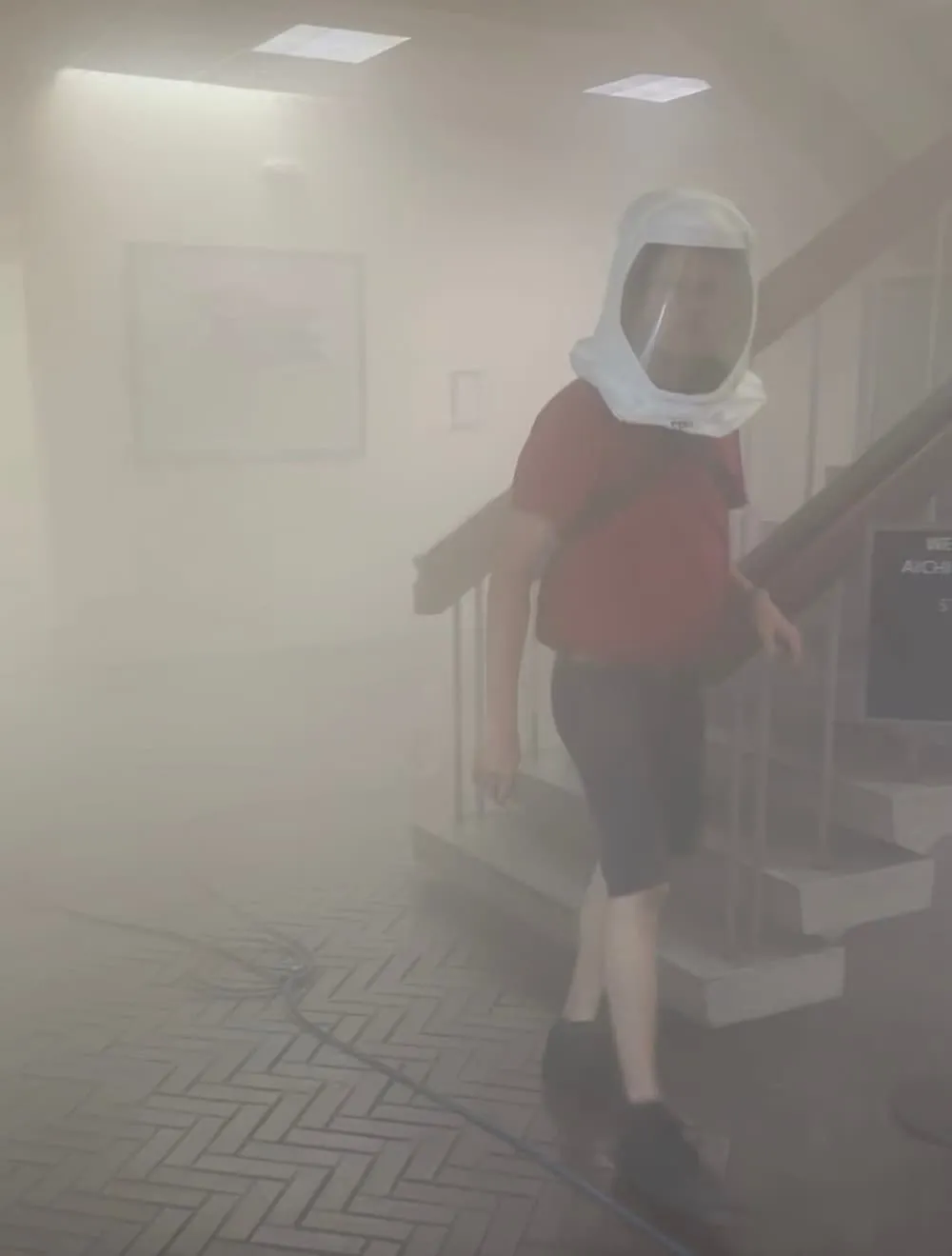
Air movement can carry dust and other particles between rooms, while temperature and humidity influence the conditions experienced by building materials. These processes can make indoor environmental concerns more complex than a single patch of visible growth. A concern identified in one room may be associated with a source elsewhere, although the relationship must be investigated rather than assumed. The connection is explained in how mold moves from a surface to the air. Considering the relationship between surfaces, air movement, and moisture can help investigators determine whether the inspection should include connected spaces or additional environmental observations.
Evaluating HVAC Systems and Ventilation
Identifying Conditions That Affect Indoor Comfort
Heating and cooling systems can influence indoor humidity, temperature, and airflow. Blocked condensate drains, condensation around cooling components, poorly maintained equipment, and inadequate ventilation may contribute to damp conditions in certain circumstances. However, dust inside an HVAC system does not automatically mean that mold is present, and odors from vents can have several possible explanations. A careful assessment considers the equipment's condition, maintenance history, drainage, and surrounding materials. Ventilation should also be evaluated in relation to the property's overall moisture conditions, because changing airflow alone may not resolve a problem if water continues to enter or accumulate within the building.
Considering Crawlspaces and Lower Levels
Understanding the Whole-Building Relationship
Crawlspaces and basements can contain exposed soil, foundation walls, plumbing lines, insulation, and structural materials that are sensitive to moisture. Dampness in these areas may affect adjoining spaces depending on air leakage, pressure differences, and the design of the building. This means a musty odor upstairs does not necessarily establish that its source is in the same room. Inspectors may consider lower levels when evidence suggests that moisture or air could move between connected areas. The relationship is explored in how a crawlspace and upstairs bedroom can be more connected than homeowners realize. Evaluating these connections can help explain recurring symptoms that remain unresolved after surface cleaning.
Deciding Whether Mold Testing Is Necessary
Choosing Testing Based on the Situation
Mold testing may provide useful information when a specific question remains after visual and moisture assessments, but sampling is not automatically necessary in every situation. The best method depends on the location, the materials involved, and the purpose of the investigation. Air samples and material samples answer different questions, and results must be interpreted within the context of the property. A test should not replace investigating an obvious leak or correcting ongoing dampness. Property owners can learn more from this guide to the different types of mold testing, which explains why testing decisions should be based on the circumstances rather than a standard approach for every building.
Understanding Inspection Findings and Recommendations
Separating Evidence From Possible Explanations
A useful inspection report explains what was observed, where measurements were taken, which conditions may be contributing to the concern, and whether additional investigation is recommended. This clarity matters because a high moisture reading does not automatically prove mold is present, and a lack of visible growth does not rule out every concealed moisture issue. Recommendations should be connected to the evidence and should identify the purpose of any proposed next steps. These may include repairs, further inspection, appropriate sampling, or monitoring. Clear reporting allows property owners to understand the limits of the assessment and make decisions without relying on unsupported claims or unnecessary assumptions.
Preventing Recurring Moisture Problems
Addressing the Conditions That Support Growth
A lasting approach to mold concerns generally includes correcting the moisture conditions that allow growth to develop. Depending on the circumstances, this may involve repairing leaks, improving exterior drainage, maintaining roof systems, managing indoor humidity, or correcting condensation near windows and HVAC equipment. Cleaning affected surfaces without resolving continuing dampness may allow the problem to return. The appropriate response depends on the affected materials, the extent of the issue, and the source of moisture. This discussion of why traditional remediation may not resolve every mold concern highlights why understanding the underlying environmental conditions is important when evaluating repeated problems.
Supporting Healthier Indoor Environments
Making Practical, Evidence-Based Decisions
A professional inspection can help property owners understand indoor conditions and prioritize reasonable next steps. Findings may support routine maintenance, moisture correction, additional testing, or a more detailed investigation depending on the evidence. No single tool or test can answer every question, so clear communication is essential when explaining what has been established and what remains uncertain. A whole-home perspective can also help property owners recognize that humidity, ventilation, building materials, and water entry may interact in ways that affect indoor comfort. Information about inspection approaches and environmental services is available through the Pure Air Mold Remediation website.
Conclusion
A professional mold inspection provides a structured way to evaluate visible signs, hidden moisture concerns, and environmental conditions that may contribute to recurring problems. By combining observation, appropriate technology, building history, and careful interpretation, an inspection can help property owners understand the evidence and determine which next steps are justified. Addressing the underlying source of moisture is often an important part of preventing repeated concerns, while testing should be selected according to the questions that need answers. Pure Air Mold Remediation takes a whole-home perspective that emphasizes understanding moisture patterns, connected building systems, and indoor environmental conditions when evaluating mold-related concerns.




















Sign in to leave a comment.