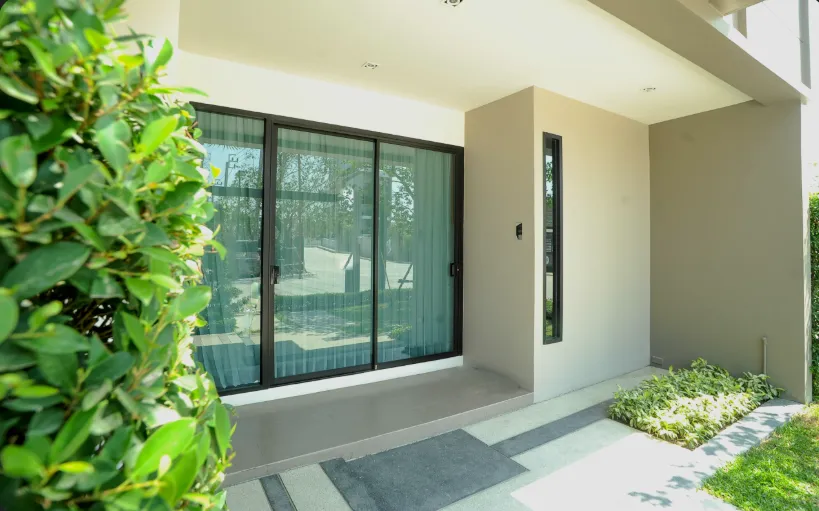

Next time you pass a building going up in any Indian city, have a look at the windows. A couple of decades back you'd have spotted timber frames, some steel, the odd uPVC unit here and there. These days it's aluminium, mostly. On the towers, it's nearly all aluminium.
There's a reason for that, and it isn't fashion. The way we build has changed a lot, and aluminium happens to be one of the very few materials that keeps pace with every part of that change.
What's Pushing Construction Toward Aluminium Windows in India?
The buildings, honestly. They've got taller; flats are now sold on big glass and balconies, and nobody wants to buy a home where water trickles in under the window every July.
Height brings its own trouble. Upper floors cop far stronger winds than the ground floor ever sees. Larger glass means heavier panels. Near the coast, you've got salt air eating away at everything. Timber hates the humidity, and uPVC starts needing thick, steel-reinforced sections once openings get big. Aluminium windows in India cope with all of it without turning chunky.
Why Do Aluminium Frames Suit Large Glass So Well?
Short version: aluminium is strong for how little of it you need. The frames stay narrow and still hold heavy panes steady, where other materials have to bulk up.
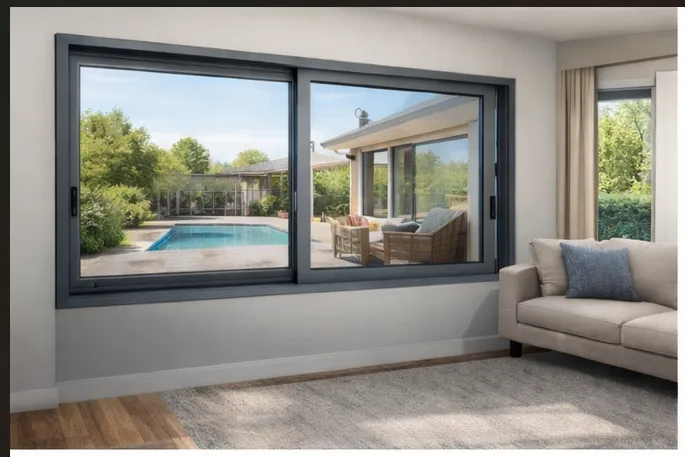
That fits the direction design has been heading for years: more glass, less frame. Slim aluminium windows let a living room wall be mostly glass, or let a bedroom look out at the city without a cage of heavy bars in the way. Better alloys push it further again. Eternia builds on Duranium, a special aluminium alloy Hindalco developed that's 40% stronger than regular aluminium, which is why its frames can stay thin even on wide openings.
Can Aluminium Windows Actually Handle Indian Weather?
The good ones can. Aluminium doesn't soak up water, so it won't swell in the rains or rot at the corners, and termites have zero interest in it.
Here's the catch, though. The metal alone doesn't keep the rain out. The drainage, the gaskets, how tightly the sash locks into the frame, all of that decides whether a window stays dry in a proper downpour. Which is why builders have started asking for tested numbers instead of promises. Eternia's systems are WiWA certified for wind resistance up to 2.75kPa, water tightness up to 750Pa, and air sealing up to 600Pa. When you're specifying windows for a 40-storey tower, figures like those are what let you sleep at night.
Why Are Aluminium Window Systems Taking Over From Fabricated Windows?
Picture fitting 800 windows in one project. You need every single one to behave the same way. A system is designed and tested as a complete unit, frame, gaskets, hardware, drainage, whereas locally fabricated windows get put together from whatever parts are around, and quality can swing from one unit to the next.
Aluminium window systems give you the same performance on floor two and floor thirty, in year one and year ten. That's also why serious aluminium door and window manufacturers now sell complete engineered systems rather than just extrusions.
Do Modern Aluminium Windows Help With Heat and Comfort?
Quite a bit, mainly through sealing and glass. A tight seal keeps the hot air out and the cooled air in, which takes real pressure off the AC through an Indian summer.
And modern aluminium windows aren't fussy about glass. Double glazing to slow the heat, a tint for that west wall that bakes by four o'clock, acoustic laminated glass if the building faces a flyover. You pick glass for what each room actually deals with, and the frame just holds it. With power bills climbing and green ratings becoming common, that flexibility is worth a lot.
Is Aluminium Good for Sustainable Building?
It's one of the better choices around. You can recycle aluminium again and again without losing quality, and recycling uses only a small fraction of the energy it takes to produce new metal.
Then there's how long it lasts. Aluminium framed windows that go for decades aren't being ripped out and replaced every ten or fifteen years, which saves materials and waste. For projects chasing IGBC or GRIHA ratings, that's a real plus rather than a box-ticking exercise.
Design flexibility adds to the appeal. Sliders, casements, fixed panes, French windows, lift and slide doors, all from one material, often from one system. Finishes run from sharp graphite and black for glass towers to warm wood-grain for villas and farmhouses. Architects get a tool they can actually design with.
Is Aluminium Really the Future of Construction?
Look at where building is going. Up. More glass. Tougher performance standards. More pressure to be green. It's unusual for one material to answer all of those, and aluminium does.
Timber isn't going anywhere in heritage and specialist work, and uPVC still turns up in budget projects. But for everyday modern construction in India, aluminium has slipped from "option" to "standard" without much fuss. Most builders aren't asking whether to use it anymore. They're asking which system to trust.
If you're planning a project, Eternia's premium aluminium window systems, built on Duranium and backed by certified performance, are a good place to see what modern aluminium can really do.


















Sign in to leave a comment.