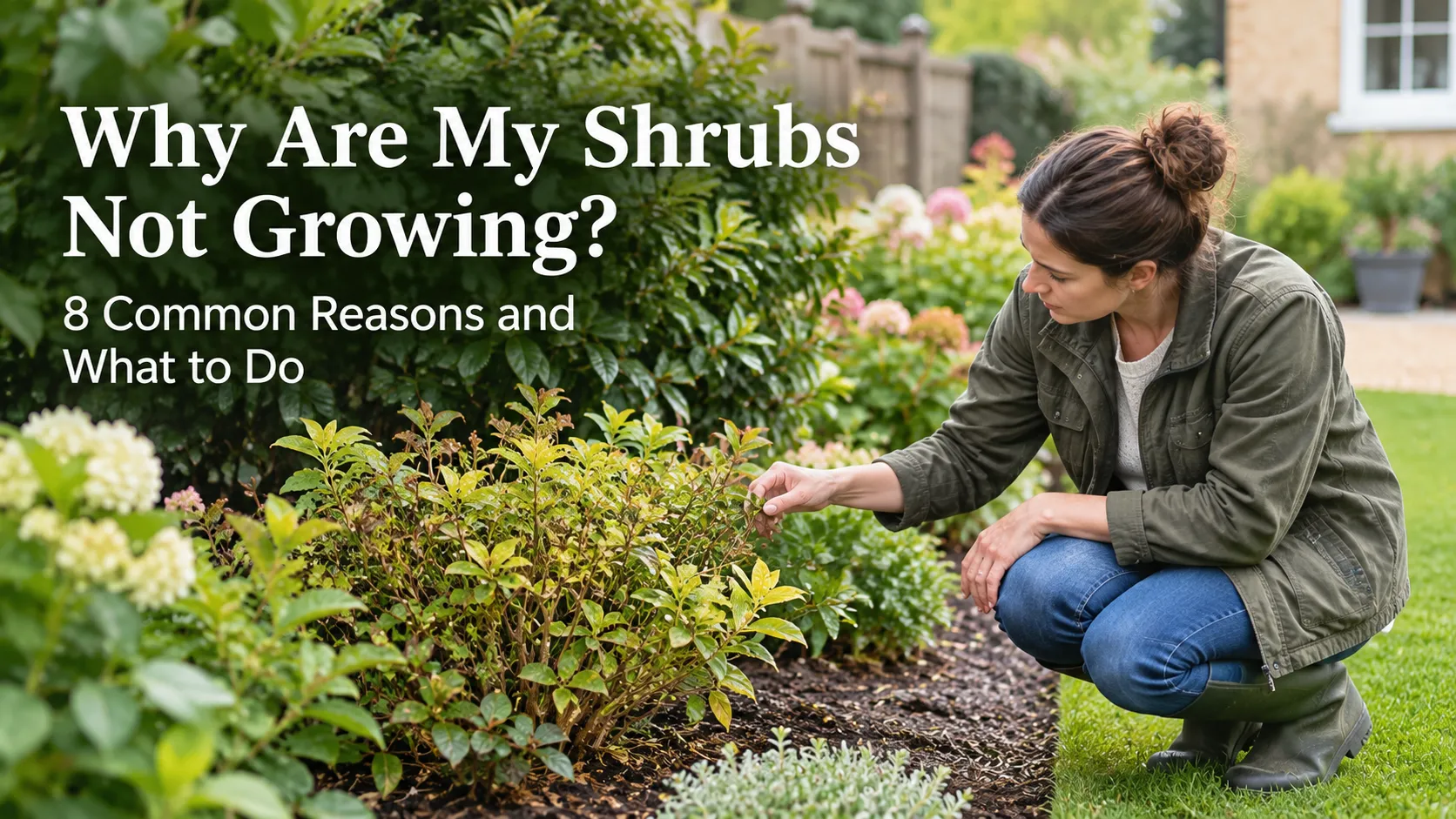


Quick Answer
If your shrubs are not growing as expected, the problem may be related to watering, soil, light, planting depth, root establishment, pruning, feeding or simply the natural growth rate of the plant. Newly planted shrubs often spend their first season establishing roots before producing significant visible growth.
The best approach is to check the growing conditions first rather than immediately adding fertiliser. A shrub planted in unsuitable soil or the wrong position may continue to struggle even when it receives extra feed.
Introduction
Planting a new shrub can be exciting, especially when you are expecting it to fill out a border, add colour or create more privacy. However, it can be frustrating when weeks or months pass and the plant appears almost unchanged.
You may notice that your shrub is producing very little new growth, has small leaves or seems to have stopped developing altogether.
Before assuming something is seriously wrong, it is worth remembering that plants do not all grow at the same speed. Some shrubs naturally establish slowly, while others can put on substantial growth once their roots are settled.
The key is understanding why your shrub is growing slowly.
From poor soil and insufficient water to planting stress and lack of sunlight, several factors can affect shrub growth in UK gardens.
Here are eight common reasons to check.
1. The Shrub Is Still Establishing Its Roots
One of the most common reasons a newly planted shrub appears not to grow is that it is concentrating on its roots.
After planting, the plant has to adapt to its new environment. Its root system needs to establish itself in the surrounding soil before the plant can consistently produce strong top growth.
This means a newly planted shrub may look relatively unchanged for a while.
During this period, consistent watering is often more important than trying to encourage rapid top growth with excessive fertiliser.
EverythingPlants' planting guidance recommends preparing the ground properly, allowing enough space for roots and watering generously during the weeks following planting.
If your shrub was planted recently, give it time to establish while keeping an eye on soil moisture.
2. The Soil Is Not Suitable for the Shrub
Soil has a major influence on plant health.
Heavy clay, compacted ground, very sandy soil and poorly drained areas can all create different challenges for shrubs.
Clay soil, for example, can hold water for longer periods. This can become a problem for shrubs that prefer better drainage. Compacted soil can also restrict the movement of air and water around the roots.
On the other hand, very free draining soil may lose moisture quickly, particularly during warm or dry weather.
This is why choosing plants according to your existing garden conditions can be more practical than trying to completely change the soil across the whole garden.
If you have a clay soil garden, our guide on planting shrubs in clay soil explains what to consider before planting.
For gardeners looking for plants suited to different conditions, the EverythingPlants shrub collection includes a wide range of varieties with different growing characteristics.
3. Your Shrub Is Not Getting Enough Light
Light is another important factor to consider.
A shrub planted in deep shade may grow more slowly than the same variety planted in a brighter position.
However, this does not mean every shrub needs full sun.
Some plants are naturally better suited to shaded or partially shaded locations. The important thing is matching the plant to the position.
Look at what surrounds your shrub.
Has a nearby tree grown significantly?
Is a fence blocking afternoon sunlight?
Has another plant become large enough to shade the shrub?
Even seasonal changes in sunlight can affect how much light reaches different parts of a garden.
If the shrub is otherwise healthy but producing long, weak or sparse growth, light availability is worth investigating.
4. You May Be Watering Too Little or Too Often
Watering problems can affect shrub growth in both directions.
A newly planted shrub needs enough moisture for its roots to establish, particularly during prolonged dry weather. However, constantly saturated soil can create a different problem by reducing suitable conditions around the roots.
Rather than following a rigid watering schedule, check the soil.
Push a finger into the soil around the root area and assess whether it feels dry beneath the surface. Newly planted shrubs may require more attention than established plants, especially during periods of low rainfall.
Water thoroughly around the root zone rather than repeatedly giving the plant a small splash.
Mulching can also help reduce moisture loss and protect the soil surface from drying out.
For UK gardeners, this is particularly useful because weather conditions can change quickly between periods of heavy rainfall and dry spells.
5. The Shrub Is Being Crowded by Other Plants
Competition from surrounding plants can also affect growth.
Grass, weeds, ground cover plants and nearby shrubs can compete for available water, nutrients and growing space.
This can be particularly noticeable around young shrubs whose root systems are still developing.
Keep the immediate area around the base of the shrub relatively clear. Avoid damaging the roots when removing weeds or cultivating the soil.
A layer of suitable organic mulch can help suppress competing weeds while helping the soil retain moisture.
However, avoid piling mulch directly against the stem or main branches of the shrub.
6. The Shrub Has Been Pruned Too Heavily
Pruning is useful for many shrubs, but cutting too much at the wrong time can reduce the amount of growth you see.
Different shrubs respond differently to pruning. Some flower on older wood, while others produce their best growth from newer shoots.
Heavy pruning can also remove a significant amount of the plant's active growth.
If your shrub has recently been cut back hard and now appears to have stopped growing, it may simply need time to recover.
Before pruning, check the specific requirements of the variety rather than applying the same technique to every shrub in your garden.
For example, established hedging plants such as Privet benefit from a planned pruning routine that encourages dense growth. Our Privet growing and care guide provides more specific information.
7. The Shrub Naturally Has a Slow Growth Rate
Not every shrub is supposed to grow quickly.
This is an important point that is often overlooked.
Gardeners sometimes compare a slow growing shrub with a faster variety and assume the slower plant has a problem.
For example, some compact evergreen shrubs are naturally slower growing and are valued precisely because they maintain a manageable size and require less frequent pruning.
Box is a good example of a naturally slow growing plant. EverythingPlants lists Box as a slow growing hedge, with expected growth of up to around 10cm per year under suitable conditions.
So before trying to make a shrub grow faster, check its expected growth habit.
A slower plant may actually be doing exactly what it should.
8. The Plant Was Planted Too Deeply
Planting depth can have a surprisingly significant effect on establishment.
The top of the rootball should generally be positioned appropriately for the plant and surrounding soil conditions rather than burying the stem unnecessarily deep.
Planting too deeply can create unfavourable conditions around the base of the plant and may contribute to poor establishment.
When planting, prepare the ground properly and position the plant carefully.
Avoid assuming that a deeper planting hole automatically gives a shrub a better start. The aim is to create suitable conditions for the root system while keeping the plant positioned correctly.
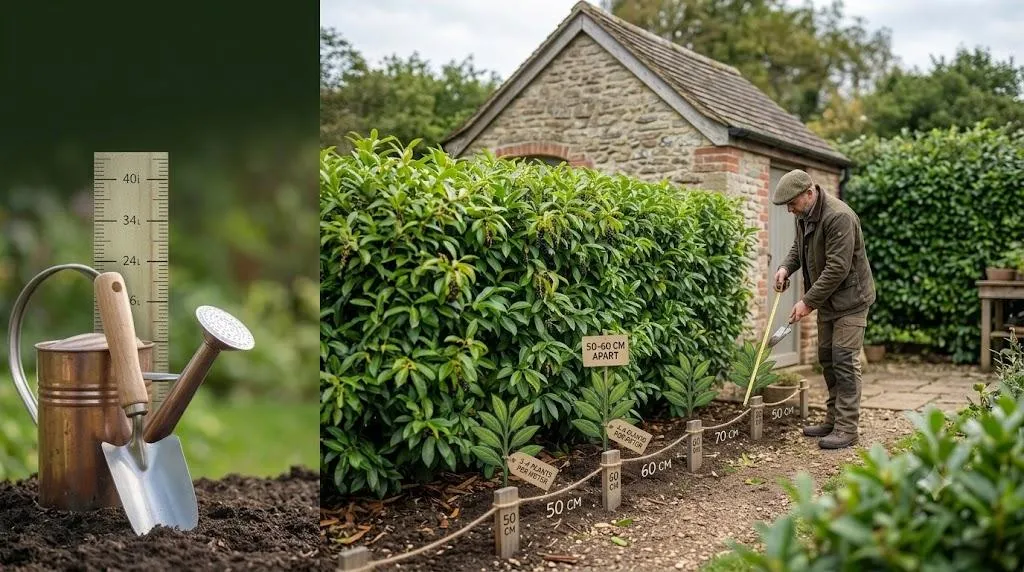
If you are planting several shrubs together, also consider the eventual size of each variety rather than concentrating only on how the plants look on planting day.
Should You Feed a Shrub That Is Not Growing?
Fertiliser is not always the answer.
If a shrub is struggling because of poor drainage, insufficient water, unsuitable light or root damage, adding more fertiliser will not necessarily solve the underlying problem.
In some situations, excessive feeding can encourage soft growth or create an imbalance rather than correcting the real issue.
Start by checking:
- Soil moisture
- Drainage
- Available sunlight
- Planting depth
- Root space
- Competition from weeds
- Recent pruning
- The natural growth rate of the plant
Once these factors have been assessed, you can decide whether feeding is appropriate.
The goal should be healthy growth rather than simply trying to make the shrub grow as quickly as possible.
How Long Does It Take for a New Shrub to Establish?
There is no single answer because establishment depends on the plant, its size, root type, planting conditions, weather and ongoing care.
A newly planted shrub may spend much of its early period developing roots before producing obvious top growth.
This is especially important when planting larger specimens. A plant that looks impressive above ground still needs to establish its root system below ground.
Patience is therefore part of successful shrub gardening.
If the plant remains healthy, produces some new growth and shows no obvious signs of stress, slow progress during the establishment period may not be a cause for concern.
How to Encourage Healthy Shrub Growth
Rather than trying to force rapid growth, focus on creating the conditions the plant needs.
Choose the right plant
Select a shrub that matches your soil, light levels, available space and preferred maintenance level.
EverythingPlants offers a broad range of shrubs, including evergreen, flowering and compact varieties. You can browse the shrub collection when comparing options for your garden.
Prepare the soil
Remove competing weeds, break up excessive compaction where appropriate and create a suitable planting area.
Do not assume every shrub requires the same soil conditions.
Water during establishment
Check soil moisture regularly and water thoroughly when needed, particularly during dry periods.
Protect the root zone
Keep competing grass and weeds away from the immediate planting area and use a suitable mulch where appropriate.
Give the plant enough space
Check the mature size before planting. A shrub that is planted too close to walls, fences or other plants may eventually struggle for space.
Prune with the plant in mind
Learn when and how your particular shrub should be pruned. Avoid treating every shrub as though it has the same pruning requirements.
When Should You Be Concerned?
Slow growth alone does not necessarily mean a shrub is unhealthy.
However, you should investigate further if slow growth is accompanied by symptoms such as:
- Persistent wilting
- Yellowing or discoloured leaves
- Extensive leaf loss
- Dead branches
- Soft or damaged stems
- Signs of pests or disease
- Waterlogged soil
- Severe root damage
If several plants in the same area are struggling, look at the conditions of the site rather than assuming each plant has a separate problem.
Sometimes the position, drainage or soil is the underlying issue.
Expert Tip
When a shrub is not growing, look at the whole planting environment before treating the plant itself.
A healthy shrub depends on the relationship between roots, soil, water, light, space and seasonal conditions.
Choosing a plant that naturally suits the location can often prevent problems before they begin.
This is one reason EverythingPlants provides specialist horticultural guidance alongside its plant collections. The nursery states that it has more than 30 years of horticultural experience and offers qualified horticulturalist advice.
Frequently Asked Questions
Why has my new shrub not grown after planting?
New shrubs often need time to establish their root systems before producing substantial top growth. Check watering, soil conditions, light and planting depth before assuming the shrub has failed.
How can I make my shrubs grow faster?
Focus on healthy growing conditions rather than simply adding fertiliser. Suitable soil, adequate moisture, appropriate light, sufficient root space and correct pruning are more important starting points.
Do shrubs grow faster in full sun?
Not necessarily. Some shrubs prefer full sun, while others perform better in partial shade. The correct light level depends on the variety.
Should I water a shrub every day after planting?
Not automatically. Check the soil and water thoroughly when needed. The frequency will depend on rainfall, soil type, plant size, location and weather conditions.
Can poor soil stop shrubs from growing?
Yes. Compacted, poorly drained or excessively dry soil can make establishment difficult. Choosing shrubs that suit your existing soil can help reduce problems.
Is slow growing a sign that my shrub is dying?
No. Some shrubs naturally grow slowly, particularly certain compact and evergreen varieties. Look for other signs of stress before assuming the plant is unhealthy.
Should I fertilise a shrub that is not growing?
Not necessarily. First identify whether the problem is related to water, light, drainage, soil, roots or pruning. Feeding will not correct every underlying problem.
When is the best time to plant shrubs in the UK?
Autumn and spring are commonly suitable planting periods when the soil is workable and not frozen or waterlogged. Local weather and the specific plant should also be considered.
Conclusion
If your shrubs are not growing as quickly as expected, there is usually a reason worth investigating.
The plant may simply be establishing its roots, or it could be dealing with unsuitable soil, insufficient moisture, too much shade, competition from other plants or incorrect pruning.
The most useful approach is to assess the growing conditions before taking action. Once you understand what the shrub needs, small changes to watering, soil care, planting position or maintenance can make a significant difference over time.
If you are choosing new shrubs and want help finding varieties suited to your garden, explore the EverythingPlants shrub collection or contact the EverythingPlants team for specialist horticultural advice.
Contact EverythingPlants today to discuss your planting requirements and find the right shrubs for your UK garden.























Sign in to leave a comment.