Why Are Pet Vaccinations Important for Your Dog and Cat?

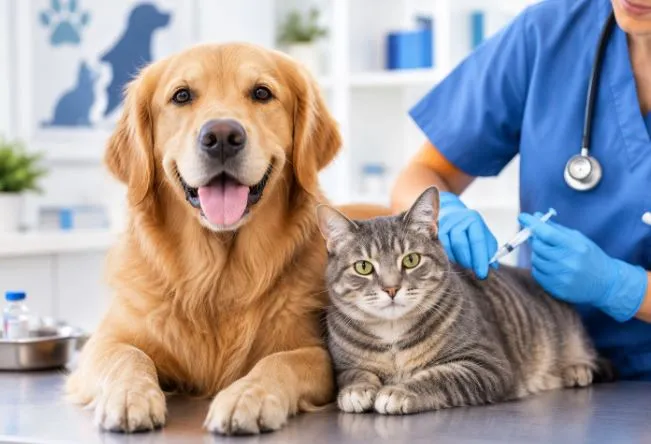
Pets are cherished members of our families, and keeping them healthy is one of the most important responsibilities of every pet owner. From regular health check-ups to a balanced diet and daily exercise, several factors contribute to a happy and healthy life for dogs and cats. One of the most effective ways to protect pets from serious infectious diseases is through timely vaccinations. Pet vaccinations help prepare your pet’s immune system to recognise and fight specific diseases, reducing the risk of severe illness and other potentially life-threatening complications.
Whether you have a playful puppy, a curious kitten, or an adult pet, understanding the importance of vaccinations can help you make informed decisions about their healthcare. In this guide, we explain why vaccinations matter, which diseases they can help prevent, and how to maintain an appropriate vaccination schedule for your furry companion.
1. How Do Pet Vaccinations Work?
Vaccinations work by stimulating a pet’s immune system to recognise a particular disease-causing organism. Depending on the vaccine, this exposure may involve a weakened or inactivated organism, a specific part of it, or instructions that help the body produce a harmless target for immune recognition.
After vaccination, the immune system develops a response that can help it react more effectively if the animal encounters the actual disease in the future. Although no vaccine provides complete protection in every situation, vaccination significantly reduces the risk of many serious infections and can lessen the severity of illness.
Vaccines are particularly important for young animals because puppies and kittens are still developing their immune systems. However, adult dogs and cats also need appropriate protection, including booster vaccinations when recommended by a veterinarian.
2. Why Are Vaccinations Important for Dogs?
Dogs can encounter infectious diseases through contact with other animals, contaminated environments, bodily fluids, and infected wildlife. Some diseases spread easily, while others can cause severe illness even after relatively limited exposure.
Vaccination helps reduce these risks and supports your dog’s long-term health.
Protection Against Serious Diseases
Depending on the vaccine, dogs can receive protection against several important diseases, including:
- Canine parvovirus: A highly contagious virus that can cause severe vomiting, diarrhoea, dehydration, and potentially life-threatening complications, particularly in puppies.
- Canine distemper: A serious viral disease that can affect the respiratory, digestive, and nervous systems.
- Canine adenovirus: A virus associated with infectious canine hepatitis and other illnesses.
- Rabies: A fatal viral disease that affects the nervous system and can spread to humans.
- Canine cough-related infections: Certain vaccines can help protect against pathogens associated with infectious respiratory disease, depending on the vaccine used.
Your veterinarian will recommend suitable vaccines based on your dog's age, medical history, lifestyle, exposure risks, and local disease considerations.
Supporting an Active Lifestyle
Dogs often enjoy walks, visits to parks, training classes, boarding facilities, and socialising with other animals. These activities can increase their opportunities to encounter infectious organisms.
Even dogs that spend most of their time indoors may be exposed to diseases through outdoor surfaces, contact with other dogs, or contaminated objects. Vaccination helps reduce preventable health risks and allows owners to plan their pets' activities with greater confidence.
For pet owners seeking professional guidance on dog vaccinations in keysborough, a veterinary consultation can help determine which vaccines are appropriate and when your dog should receive them.
3. Why Are Vaccinations Equally Important for Cats?
Cats may appear less exposed to infectious diseases if they live indoors, but they are not entirely free from risk. Some infections can spread through contact with other cats, contaminated objects, or environments. Cats that go outdoors may face additional exposure through roaming, fighting, and interacting with unfamiliar animals.
Vaccinations help protect cats from several significant infectious diseases.
Common Diseases Vaccines Can Help Prevent
Feline panleukopenia: This highly contagious viral disease can cause fever, vomiting, diarrhoea, dehydration, and severe illness. Young kittens are especially vulnerable.
Feline herpesvirus: This virus is a common cause of upper respiratory disease in cats. It can lead to sneezing, nasal discharge, eye inflammation, and recurring symptoms.
Feline calicivirus: Another important cause of feline respiratory disease, this virus can produce sneezing, oral ulcers, and other clinical signs.
Rabies: Where exposure is possible, rabies vaccination may be recommended or required according to local regulations and veterinary advice.
Other vaccines, such as those against feline leukaemia virus, may be appropriate for cats with particular exposure risks.
The vaccines recommended for your cat will depend on factors such as age, lifestyle, contact with other cats, health status, and local veterinary guidance.
Indoor Cats Need Preventive Care Too
A common misconception is that indoor cats never need vaccinations. However, an indoor lifestyle does not eliminate every possible exposure. A cat might escape outdoors, visit a boarding facility, or come into contact with an infected animal or contaminated object.
Core vaccines are generally recommended for most cats, including indoor cats, although the precise schedule should be determined by a veterinarian. If you are considering cat vaccinationin keysborough, a veterinary appointment can help you understand the vaccines your cat needs and the timing of each dose.
4. When Should Puppies and Kittens Be Vaccinated?
Young pets require special attention because the antibodies they receive from their mothers can gradually decline. These maternal antibodies offer early protection but may also interfere with a vaccine's effectiveness during a particular period.
For this reason, puppies and kittens generally receive a series of vaccinations rather than relying on a single injection.
Puppy Vaccination Schedule
Puppies commonly begin their primary vaccination course at around six to eight weeks of age. Additional doses are administered at intervals recommended by the veterinarian, with the final dose in the initial series commonly given at or after 16 weeks of age, depending on the vaccine and applicable guidelines.
Some puppies may require additional vaccinations based on their exposure risks or medical circumstances.
Kitten Vaccination Schedule
Kittens often begin their primary vaccination course at around six to eight weeks of age. Further doses are typically given every three to four weeks until approximately 16 weeks of age, although the precise schedule depends on the vaccine, the kitten's circumstances, and veterinary recommendations.
Booster vaccinations may be needed later to maintain protection.
Important: These are general guidelines, not a substitute for an individual vaccination plan. Your veterinarian will recommend the appropriate timing for your pet and explain any additional vaccines or boosters that may be necessary.
5. Do Adult Dogs and Cats Need Booster Vaccinations?
Yes, adult pets may need booster vaccinations to maintain protection against specific diseases. However, not every vaccine needs to be administered annually.
The appropriate interval depends on the vaccine type, the animal's previous vaccination history, age, health, exposure risk, product instructions, and local regulations.
For example, some core vaccines provide protection for several years after the initial course and appropriate boosters, while other vaccines may require more frequent administration.
If you have adopted an adult pet and do not know its vaccination history, arrange a veterinary appointment. Your veterinarian can review available records and recommend a suitable plan rather than assuming that your pet needs every vaccine immediately.
Regular health checks also provide an opportunity to discuss parasite prevention, dental care, nutrition, weight management, and other aspects of preventive healthcare.
6. Are Pet Vaccinations Safe?
Vaccines recommended by veterinarians are generally considered safe, and their benefits usually outweigh the risks for pets that need them. Like other medical interventions, however, vaccinations can occasionally cause side effects.
Common mild reactions may include:
- Temporary tiredness or reduced activity.
- Mild soreness or swelling around the injection site.
- A slightly reduced appetite.
- A mild, short-lived fever.
These reactions generally resolve without treatment. Your veterinarian can explain what to expect after your pet's appointment and whether any special precautions are needed.
Serious allergic reactions are uncommon but can occur. Seek immediate veterinary assistance if your pet develops difficulty breathing, facial swelling, collapse, or repeated vomiting shortly after vaccination.
Before vaccination, tell your veterinarian about any previous vaccine reactions, current medications, existing medical conditions, or signs of illness. This information helps the veterinary team assess the safest and most appropriate approach.
7. What Happens If You Skip Your Pet's Vaccinations?
Skipping recommended vaccinations can leave pets vulnerable to preventable infectious diseases. Some of these illnesses progress quickly and may require intensive veterinary treatment. Others can cause lasting complications or death.
Unvaccinated pets may also face restrictions at boarding facilities, training centres, or other locations that require proof of vaccination. Depending on the disease, an infected pet may contribute to the spread of infection among other animals.
If your pet has missed a scheduled vaccination, do not assume that the entire course must be restarted or that protection has been permanently lost. Contact your veterinarian with the available vaccination records. They can determine whether a booster or a revised vaccination schedule is necessary.
Avoid administering vaccines without appropriate veterinary guidance, especially if your pet is unwell or has a history of adverse reactions.
8. How Can You Prepare Your Pet for a Vaccination Appointment?
A little preparation can make vaccination visits more comfortable for both pets and owners.
Before the appointment:
- Bring your pet's previous vaccination records, if available.
- Tell the veterinarian about any recent illness or unusual behaviour.
- Mention previous reactions to vaccines or medications.
- Ask which vaccines are recommended for your pet's age and lifestyle.
- Keep your dog on a lead and transport your cat securely in a suitable carrier.
After the appointment:
- Allow your pet to rest if they seem tired.
- Provide access to fresh water and their usual food.
- Monitor the injection site and your pet's general behaviour.
- Contact your veterinarian if symptoms persist, worsen, or cause concern.
Follow any additional instructions provided by your veterinary team.
Conclusion: Protect Your Pet with Timely Vaccinations
Pet vaccinations are an essential part of preventive healthcare for both dogs and cats. They help protect against serious infectious diseases, reduce the risk of complications, and support the health of individual animals and the wider pet community.
From a puppy's first vaccination to booster doses for an adult dog or cat, following an appropriate vaccination schedule can make a meaningful difference to your pet's long-term wellbeing. Remember that every animal has different needs, so the best vaccination plan should take account of age, health, lifestyle, previous vaccinations, and exposure risks.
Do not wait until your pet becomes unwell to discuss preventive care. Arrange regular veterinary check-ups, keep vaccination records up to date, and ask your veterinarian which vaccines are suitable for your furry family member. A proactive approach today can help give your dog or cat a healthier and safer tomorrow.









Sign in to leave a comment.