

Throwing salvaged timber up on a ceiling changes a room's entire feel in an afternoon, bringing scale, warmth, and a sense of history to living rooms, kitchens, and entryways. And beyond how good it looks, old-growth timber is structurally durable compared to the soft, farm-grown lumber sitting at big-box hardware stores.
So, whether trying to tame a massive vaulted ceiling or just looking to add some grit to a basic flat room, adding a reclaimed wood ceiling feature gives the whole space a grounded, custom feel that painted drywall falls short of.
At a Glance
- Overhead Scale: How heavy timber breaks up blank drywall expanses and pulls open rooms together?
- Old-Growth Strength: Why century-old lumber stays straight and flat without sagging or twisting?
- Smart Framing Hacks: How do hollow box beams give you the look of solid timber without overloading your ceiling joists?
What Makes Reclaimed Wood Ceiling Beams So Popular?
Taming Echoes and Giving Open Floor Plans Real Definition
Hard floors, plain walls, and high ceilings come together to turn everyday kitchen chatter into a noisy echo chamber. Slapping real timber up top solves a few big interior layout problems all at once:
- Better Room Proportions: Thick beams across a high ceiling bring the visual height down just enough to make a large room feel cozy instead of vast.
- Visual Room Zoning: Layouts without walls can feel directionless. Parallel timber beams over a kitchen island or dining table mark out that zone without blocking sightlines.
- Echo Control: Smooth drywall bounces sound back and forth, but the deep, rough-sawn grain on old timber absorbs sound waves and quietens the room.
Century-Old Wood That Doesn't Warp or Sag
The timber pulled out of old barns, factories, and warehouses was cut from virgin forests back in the 1800s. Those trees grew slowly over hundreds of years, making the wood incredibly dense with tight grain rings that modern farm trees just don't have. That’s why when building out a reclaimed wood ceiling, using old timber gives a massive practical edge over new lumber:
- Zero Moisture: Decades of drying inside an old barn means the wood is already done with all its moving; it won't shrink or split after hanging it.
- Rock-Solid Alignment: Dense old-growth timber stays flat, so you don't have to worry about the overhead beams twisting out of square over time.
- Clean and Bug-Free: Supplier kiln drying bakes out any old moisture and wipes out lingering pests before the wood ever arrives on site.
Solid Timbers vs. Lightweight Box Beams
You don't need a crane or structural steel upgrades to get heavy timber onto the ceiling. While solid hand-hewn posts are the real deal, their sheer weight can complicate installation quickly. That’s why hollow "U-shaped" box beams are so popular nowadays. Craftsmen take three pieces of thin reclaimed planking, miter the edges tight, and build a hollow beam.
These slip right over standard 2x4 framing blocks screwed into the ceiling joists. You get the exact look of a massive solid oak beam, but at a fraction of the weight, and a built-in channel to hide wiring, recessed can lights, or speakers inside the reclaimed wood ceiling layout.
Softening Up Clean, Modern Spaces
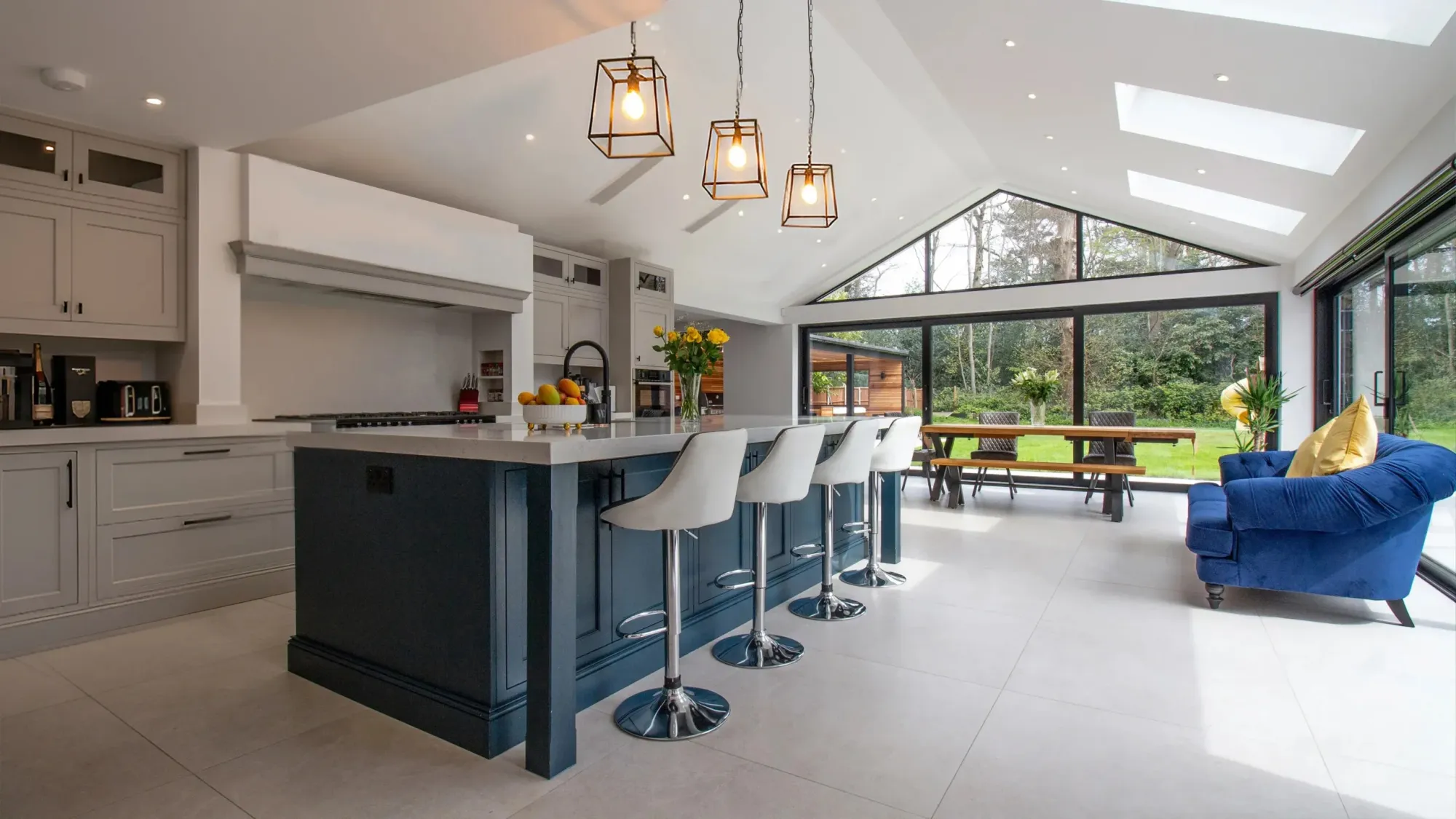
The rich brown, red, and silver-grey tones of aged timber actually work best when paired with modern design. And throwing rough-sawn timber against crisp white drywall, quartz countertops, and black steel hardware breaks up hard edges and keeps sleek modern spaces from looking like a sterile hospital wing.
Conclusion
Overhead timber features are everywhere right now because they fix hard acoustics, bring massive character, and last forever without warping. Transforming a plain ceiling with historical wood gives the home a custom finish that standard building materials just can't replicate.
So, if you’re looking to tie the overhead beams into the rest of the room, then make sure to pair them with barn wood shiplap on an accent wall, which creates a complete, well-balanced look from top to bottom.




















Sign in to leave a comment.