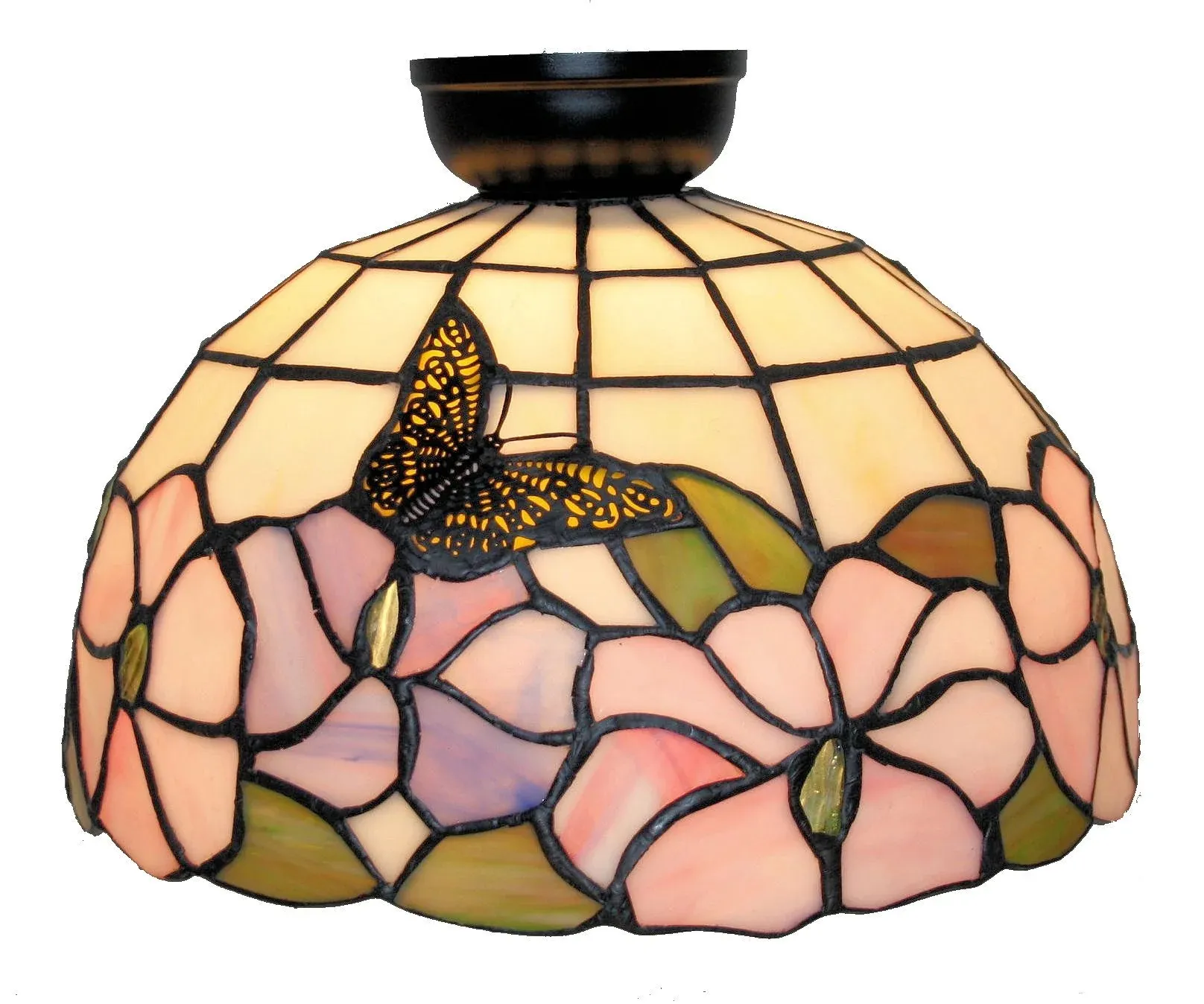

The home renovation is complete; the owner looks up at the newly installed pendant hanging above the kitchen island countertop. The old straight-line lighting fixture has been replaced with something more rounded and graceful. There is a moment of doubt - have I done the right thing?They haven't - this is simply where interior lighting is heading in Australian homes right now, away from sharp boxes and toward shapes that move.
How boxy interior lighting got replaced by sculptural pendants
Boxy pendants had a long run. Clean lines, right angles and flat panels suited the minimalist kitchens and open-plan living areas that dominated the last decade of Australian home design, and for a long time that style of interior lighting was the safe, obvious choice.
Rooms have since started to soften. Curved benchtops, rounded archways and organic furniture shapes are turning up in renovations across the country, and the lighting above them has had to change to match. A square shade under a curved arch looks like an afterthought. A curved pendant looks like it was planned from the start.
A run of identical square downlights can also feel flat once a room has any architectural interest at all. A single sculptural pendant does more visual work than three matching boxes ever could, which is part of why one good curved fitting is now doing the job that used to take several.
What's actually driving the change
Architecture is getting softer
Builders and designers are leaning into curves in benchtops, joinery and even wall corners. Once a room has soft edges, hard-edged interior lighting stands out for the wrong reasons. Curved pendants let the fitting sit inside the room's shape instead of fighting it.
A pendant now does double duty
A pendant used to be judged purely on how well it lit a bench or a table. Now it's expected to look good switched off too, which is why sculptural forms in ceramic, opal glass, timber and brushed metal are replacing plain drum shades. The fixture has become part of a room's styling, not just its interior lighting plan.
Rooms are being used differently
Open-plan living has pushed the kitchen island into the role of a second dining table, a homework desk and a spot for a glass of wine after work. A single fitting now has to look right from every one of those angles, all day and into the evening, which favours a shape with no obvious front or back over a boxy shade designed to be viewed from directly underneath.
Interior lights that suit a curved, sculptural look
Not every fitting needs to be dramatic to fit this trend. Interior lights with a gentle curve, an asymmetric shade or an organic silhouette sit comfortably in a traditional home as well as a new build, which is part of why the look has spread so quickly.
Where curved pendants work best
Curved fittings tend to earn their keep in a few spots:
- Over kitchen islands, where a single sculptural pendant replaces a row of matching downlights
- In entryways, where a curved form makes a statement without crowding a small space
- Above dining tables, where softer light spreads more evenly across a group of people
- In living rooms, paired with a floor lamp of a similar shape for a co-ordinated look
Choosing the right interior lighting for your home
Swapping a boxy fixture for a curved one isn't purely a style decision. Ceiling height, the size of the room and the amount of natural light it already gets all affect which shape and finish of interior lighting will actually work.
A pendant that looks striking in a showroom can overwhelm a low ceiling, and a finish that reads as warm under one globe colour can look flat under another. Getting the globe temperature, the drop height and the shade material right matters as much as the shape itself.
Getting it right the first time
The Lighting Centre has been fitting Australian homes with interior lighting for decades from its Campbelltown showroom, and the business has picked up multiple industry awards along the way. Its range runs from pendants and LED pendants through to wall lights and spotlights, so a curved fitting can usually be matched with wall lights and downlights in a similar tone rather than bought as a one-off.
Customers regularly mention the same thing in their reviews: staff who know the stock well enough to talk through pendant height, globe colour and shade material before anything is bought. For anyone unsure whether a curved pendant will suit their space, The Lighting Centre also offers a design consultation with one of its lighting specialists, which takes the guesswork out of matching a new interior light fitting to an existing room.
In summary
Boxy fixtures aren't disappearing completely, but curved, sculptural pendants have become the default choice in a lot of new and renovated homes, because softer architecture calls for softer interior lighting. When a new pendant is different from what was previously present, it normally indicates that there has been movement within the room, not an error.
Should you be thinking about buying a new pendant or need a second opinion regarding the most suitable pendant for your space, visit The Lighting Centre located at 22B Blaxland Rd, Campbelltown NSW 2560, or give us a call at (02) 4626 7639. Our showroom opening hours are 9 am to 5 pm during weekdays and 9 am to 4 pm during weekends. You can also bring in a picture of your room and discuss your interior lighting choices with them.





















Sign in to leave a comment.