

You wake up and notice more hair than usual on your pillow. Then you wash your hair and see strands covering the shower floor. A few weeks later, your hairbrush seems to collect much more hair than before.
Sudden hair shedding can be frightening, particularly when there is no obvious bald patch or visible problem with the scalp.
One possible explanation is telogen effluvium, a common type of excessive hair shedding that can develop after the body experiences a significant physical or emotional stress. Unlike many forms of progressive hair loss, telogen effluvium is often temporary.
The difficult part is that the trigger may have happened months before the shedding became noticeable.
Understanding what causes telogen effluvium, when shedding normally begins, and how recovery occurs can help you make sense of sudden hair fall.
What Is Telogen Effluvium?
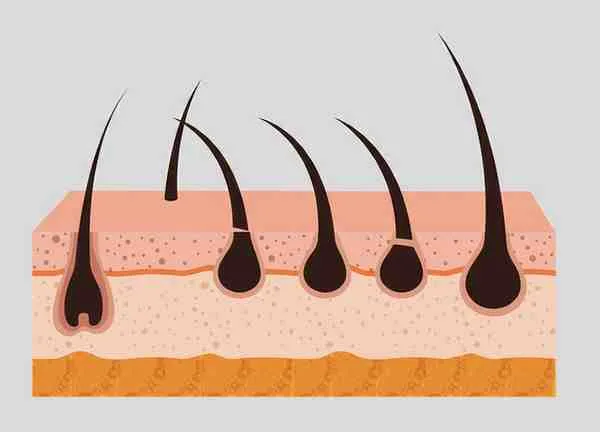
Hair follicles continuously move through different stages of the hair-growth cycle. During the active growth phase, known as anagen, the follicle produces a hair shaft. Eventually, the follicle enters a resting phase called telogen.
Telogen effluvium occurs when a larger-than-usual number of follicles shift prematurely into the resting phase. The resting hairs are subsequently shed, producing noticeable diffuse hair fall.
Unlike conditions that destroy the follicle, telogen effluvium is generally a non-scarring form of hair shedding.
Why Does Hair Fall Suddenly After a Delay?
One of the most confusing aspects of telogen effluvium is that the event responsible for the hair shedding often happens well before the hair loss becomes obvious.
Hair shedding may become noticeable approximately two to four months after a triggering event, although the timing can vary.
For example, you may have experienced:
January: High fever or serious illness
February: Recovery
March or April: Noticeably increased hair shedding
Because the illness and hair loss are separated by several weeks, it is easy to assume that something more recent must be responsible.
Looking back at the previous few months can therefore be an important part of understanding sudden hair fall.
Common Telogen Effluvium Triggers
Telogen effluvium can follow many different types of physical or emotional stress. Some are obvious, while others may be overlooked.
1. High Fever and Severe Illness
A significant infection or illness accompanied by fever can disrupt the normal hair cycle.
Once the body begins recovering, the delayed shedding may appear several weeks or months later. Fever and acute illness are recognized triggers of telogen effluvium.
This is one reason increased hair fall can appear after you already feel completely healthy again.
2. Major Psychological Stress
The body does not distinguish between every type of major stress when responding to physiological changes.
A prolonged period of intense psychological stress can be associated with telogen effluvium. Examples can include major personal difficulties, significant work-related stress or other events that place substantial strain on the body.
However, not every stressful day causes telogen effluvium. The overall severity and individual response matter.
3. Rapid Weight Loss
Crash dieting and significant weight loss can affect hair growth.
Sudden dietary restriction may reduce the intake of protein, iron and other nutrients needed for normal hair production. Rapid weight loss itself can also act as a physiological stressor.
The American Academy of Dermatology lists substantial weight loss among situations commonly associated with excessive shedding.
A healthier approach to weight management is therefore important not only for general health but also for maintaining normal hair growth.
4. Restrictive Diets and Nutritional Problems
The hair follicle is a highly active biological structure and requires adequate nutritional support.
Unusual diets, insufficient protein intake and certain nutritional deficiencies can contribute to telogen effluvium. Iron deficiency is one nutritional factor that may need evaluation when clinically appropriate.
This does not mean every person with hair fall needs supplements.
The better approach is to identify whether a nutritional deficiency actually exists before taking high-dose supplements.
5. Childbirth and Postpartum Changes
Many women notice increased hair shedding after giving birth.
Pregnancy changes the normal hair-growth cycle, and the hormonal and physiological changes surrounding childbirth can be followed by increased shedding.
Postpartum hair loss is a recognized form of telogen effluvium and often improves over time. In some women, however, the shedding can make an underlying tendency toward female pattern hair loss more noticeable.
6. Surgery and Physical Trauma
Major surgery, accidents and other substantial physical stress can trigger telogen effluvium.
Again, the hair loss may not begin immediately. The delayed timing can make it difficult to connect the shedding with an operation or physical event that occurred months earlier.
7. Thyroid Problems
Changes in thyroid function can be associated with excessive hair shedding.
Both an underactive thyroid and an overactive thyroid are listed among potential triggers of telogen effluvium.
When hair shedding is persistent or unexplained, a clinician may decide whether thyroid testing is appropriate based on the individual's symptoms and medical history.
8. Hormonal Changes
Changes in hormone levels can influence the hair cycle.
Stopping hormonal contraception, pregnancy and the postpartum period are examples of situations associated with telogen effluvium.
For women experiencing persistent diffuse thinning, it is important to distinguish temporary shedding from other causes of female hair loss.
9. Certain Medications
Some medications can be associated with hair shedding.
DermNet lists several medication categories among possible telogen effluvium triggers, while Cleveland Clinic also notes that certain medicines can contribute to excessive shedding.
Never stop a prescribed medication on your own because of hair loss. If you suspect a medication may be contributing to shedding, discuss it with the prescribing doctor.
What Does Telogen Effluvium Hair Loss Look Like?
Telogen effluvium usually causes diffuse shedding, meaning hair is lost from across the scalp rather than forming one clearly defined bald patch.
Common signs include:
- More hair in the shower
- Increased hair on the pillow
- More strands on the hairbrush
- Reduced overall hair volume
- Greater visibility of the scalp
- Noticeably increased shedding during washing or combing
The scalp itself generally appears healthy, without the inflammation, significant scaling or pain that can occur with some scalp disorders.
How Is Telogen Effluvium Different From Genetic Hair Loss?
Sudden shedding and gradual thinning are not always the same problem.
Telogen effluvium is generally characterized by relatively rapid, diffuse shedding following a trigger.
Genetic or pattern hair loss tends to progress more gradually and usually follows a recognizable distribution.
The two can also occur together. Telogen effluvium may make an underlying genetic tendency toward male or female pattern hair loss much easier to notice.
This is why simply counting the number of hairs you lose each day is not enough to determine the cause.
How Long Does Telogen Effluvium Last?
Acute telogen effluvium is usually temporary.
Cleveland Clinic describes acute telogen effluvium as lasting less than six months, while the American Academy of Dermatology notes that excessive shedding often settles and normal fullness may take several months to return.
Importantly, the end of heavy shedding does not mean the hair instantly returns to its previous thickness.
Newly growing hair needs time to become longer and contribute to visible density.
Why Hair Recovery Takes Time
Imagine losing a large number of hairs during a period of telogen effluvium.
Even after the shedding stops, replacing the lost visual volume takes time because new hairs must grow from the follicles and increase in length.
This is why someone may say:
“My hair fall has reduced, but my hair still looks thinner.”
That situation does not necessarily mean that the follicles have stopped functioning.
Hair growth is a gradual process, and visible recovery can lag behind the reduction in shedding.
What Can You Do During Telogen Effluvium Recovery?
The first priority is to identify and address the underlying trigger where possible.
Depending on the individual situation, this may involve:
Review Recent Illness or Stress
Think back several months rather than focusing only on what happened last week.
Avoid Crash Dieting
Adequate nutrition and sufficient protein are important for normal hair growth.
Address Identified Medical Issues
If a clinician identifies thyroid dysfunction, iron deficiency or another medical condition, treating that underlying issue may be part of the management plan.
Handle Hair Gently
Avoiding unnecessary mechanical or chemical damage can help reduce additional breakage while the scalp hair cycle recovers.
Be Patient With Regrowth
Hair recovery is measured in months rather than days.
Can Telogen Effluvium Become Chronic?
Yes.
When excessive shedding continues for more than several months, the possibility of chronic telogen effluvium or another underlying cause may need consideration.
Chronic telogen effluvium can occur without an obvious trigger and is particularly described in otherwise healthy women.
Persistent shedding should therefore not simply be dismissed as “stress hair fall” without evaluation.
When Should Sudden Hair Loss Be Checked?
Not every episode of shedding is telogen effluvium.
A professional assessment is particularly important when hair loss is:
- Persistent or progressively worsening
- Associated with clearly defined bald patches
- Accompanied by scalp pain, redness, scaling or inflammation
- Associated with other unexplained physical symptoms
- Producing progressive hairline or crown thinning
- Continuing despite recovery from the suspected trigger
Other causes of hair loss can resemble telogen effluvium, so diagnosis should be based on the history and scalp examination rather than assumptions.
Does Sudden Hair Shedding Mean You Need a Hair Transplant?
Not necessarily.
A hair transplant is designed to redistribute suitable donor follicles to areas requiring restoration. It does not remove the underlying trigger responsible for temporary telogen shedding.
Therefore, when someone develops sudden diffuse hair shedding, determining the cause should come before automatically considering surgery.
This distinction is particularly important for women, because diffuse hair loss can have several possible causes.
When Is Female Hair Transplant in Delhi Considered?
A female hair transplant in Delhi may be considered for carefully selected women with a stable pattern of hair loss, sufficient donor hair and specific areas where additional follicular coverage could provide a meaningful cosmetic improvement.
However, transplantation is not the first answer for every woman with sudden hair fall.
A thorough evaluation should first determine whether the problem is:
temporary shedding, female pattern hair loss, another scalp disorder, or a combination of conditions.
This diagnostic step can help determine whether transplantation is appropriate at all.
Where Does a FuseHair Transplant Fit Into the Picture?
A fusehair transplant should begin with understanding the underlying hair-loss pattern rather than treating every instance of shedding as permanent baldness.
For a patient experiencing sudden diffuse hair fall, the priority may be identifying the trigger and monitoring recovery.
For someone with established and stable pattern hair loss, hair restoration may become part of a longer-term plan.
The important distinction is between hair shedding and permanent follicular loss.
A careful assessment can help determine which situation applies to the individual patient.
Frequently Asked Questions
Is sudden hair loss always telogen effluvium?
No. Sudden shedding can have several causes, including telogen effluvium, anagen effluvium, alopecia areata and other scalp or medical conditions.
Can stress cause hair shedding months later?
Yes. Significant physical or psychological stress can be followed by increased shedding after a delay, commonly around two to four months.
Does telogen effluvium cause complete baldness?
Typical telogen effluvium causes diffuse shedding rather than complete baldness, although severe shedding can make the scalp much more visible.
Can hair grow back after telogen effluvium?
In acute telogen effluvium, hair usually regrows as the hair cycle returns toward normal. Visible recovery takes time because the new hairs must grow in length after shedding decreases.
Final Thoughts
Sudden hair shedding can look dramatic, but the amount of hair you see falling does not by itself tell you whether the condition is temporary or progressive.
Telogen effluvium is often linked to a significant event that occurred weeks or months earlier—such as illness, fever, childbirth, major stress, surgery, substantial weight loss, nutritional problems, hormonal changes or certain medications.
The most useful first step is to investigate why the hair is shedding, rather than immediately assuming that the follicles are permanently lost.
And when exploring options such as a female hair transplant in Delhi, the same principle applies: diagnosis and long-term hair-loss planning should come before deciding on surgery.
Sudden hair fall is a signal to investigate, not a reason to panic.
















Sign in to leave a comment.