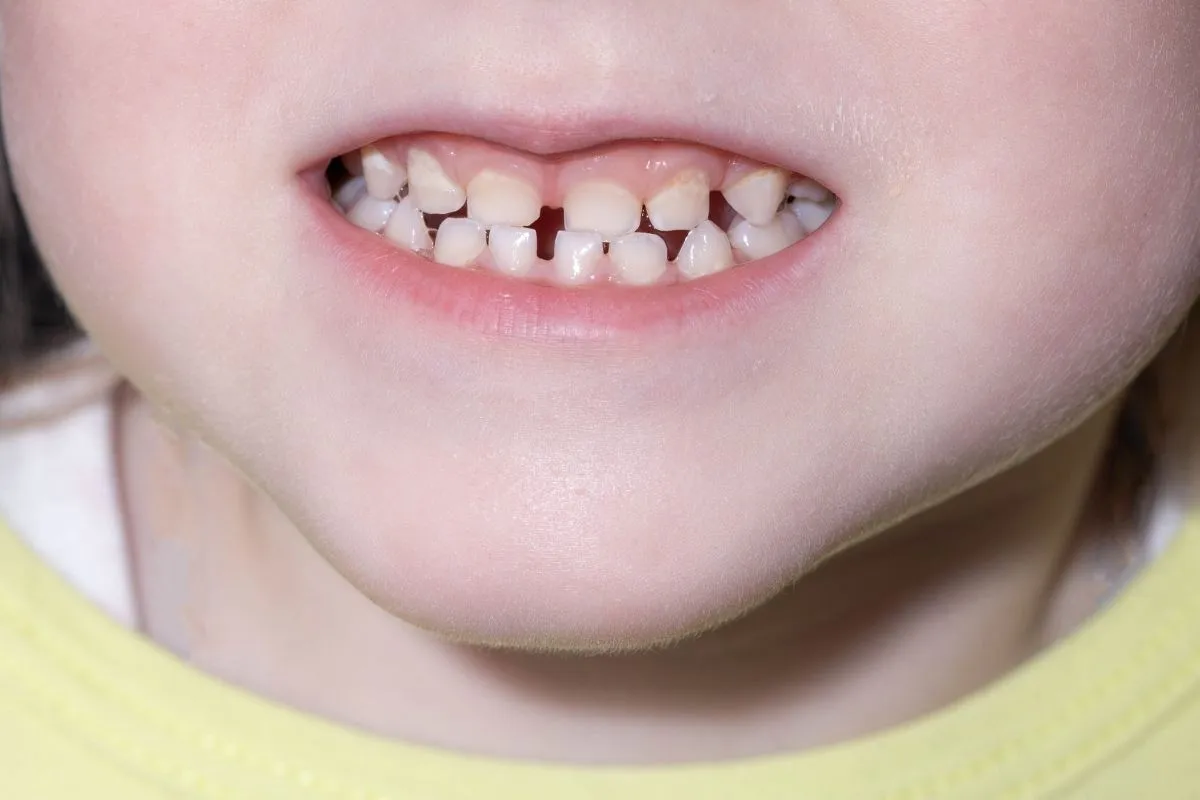

It's an easy trap for parents to fall into: baby teeth are temporary, so why worry too much about cavities or damage if they're just going to fall out anyway? It's a reasonable-sounding assumption, but it overlooks what baby teeth are actually doing during the years a child has them, which turns out to matter a lot more than most people realize.
Baby teeth aren't just placeholders. They're doing real structural work, holding space for the permanent teeth developing underneath the gums and guiding them into the correct position as they eventually come in. When a baby tooth is lost too early, whether from decay, injury, or infection, nearby teeth can shift into that empty space, which crowds out the permanent tooth trying to erupt later and often leads to alignment problems down the road. This is one of the reasons a pediatric dental office will often push to save a badly decayed baby tooth rather than simply pulling it, since premature loss creates spacing issues that can take years of orthodontic work to correct later.
There's also the matter of infection. Untreated cavities in baby teeth don't stay contained to that one tooth. Decay can spread to the nerve, cause pain that affects eating and sleeping, and in more serious cases lead to infections that can actually damage the permanent tooth developing directly beneath it. A baby tooth doesn't need to be functional for years to matter, it just needs to stay healthy long enough to do its job of holding space and guiding development, and an infection can undermine that well before the tooth is due to fall out naturally.
Baby teeth also play a bigger role in everyday function than parents often give them credit for. They're what a young child uses to chew, which matters for proper nutrition during a stage of rapid growth. They're also central to how children learn to speak clearly, since several sounds rely on the tongue interacting correctly with the front teeth. Losing baby teeth early, or dealing with painful decay that makes chewing difficult, can quietly affect both of these areas without parents necessarily connecting the dots back to dental health.
None of this means every minor chip or small cavity in a baby tooth is a crisis. But it does mean that "it's just a baby tooth" isn't really a reason to delay treatment when something needs attention. Regular checkups, consistent brushing habits, and prompt care when a cavity does show up all matter just as much for baby teeth as they will later for permanent ones, precisely because baby teeth are quietly setting up the conditions for how permanent teeth come in.
Treating baby teeth as disposable ends up costing more in the long run, both in terms of a child's comfort and in the orthodontic or dental work that can follow years later. They may not be permanent, but the impact of neglecting them often is.


























Sign in to leave a comment.