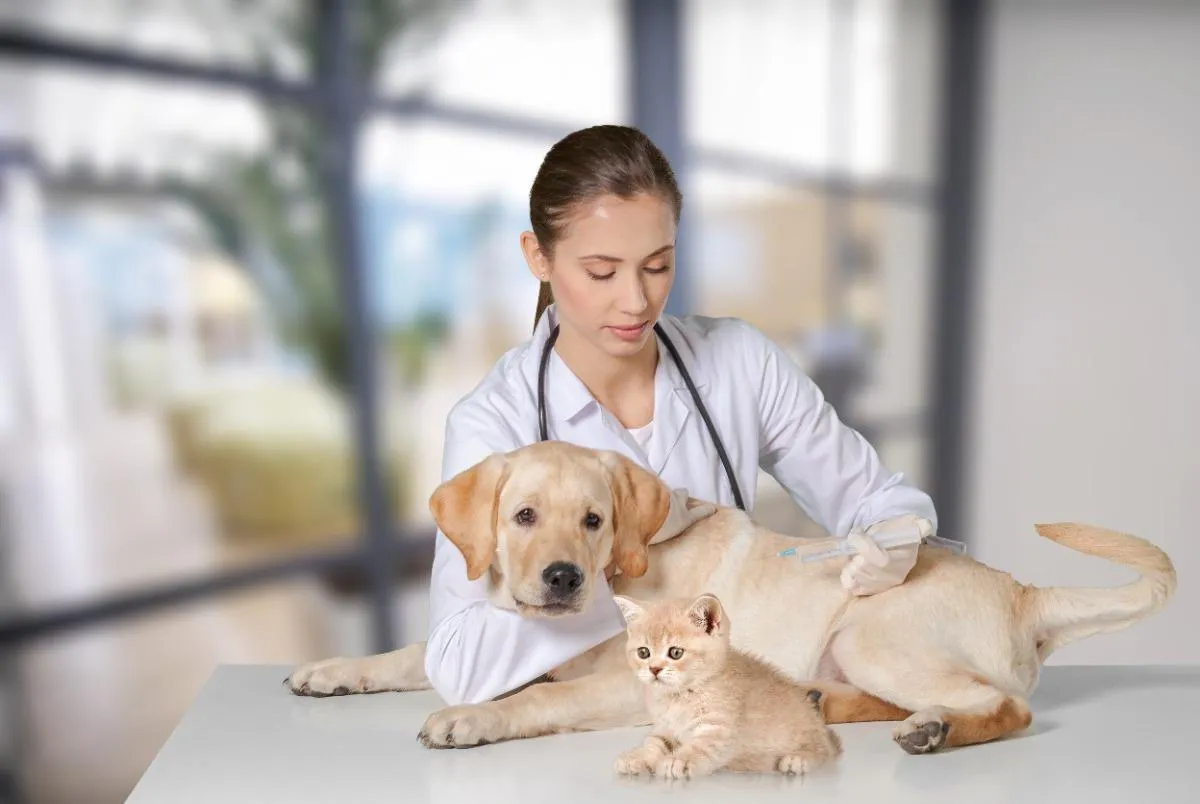

Your day is already full before anything goes wrong. Work runs late, the kids need to be picked up, traffic drags out every errand, and then your dog starts limping or your cat is due for a checkup. Suddenly a simple vet visit turns into a full production. You have to find the carrier, coax a nervous pet into the car, sit in a waiting room, and hope the appointment stays on time. That’s why many pet owners choose to schedule an in-home veterinary visit in Terre Haute instead.
That strain is a big reason many families now choose a mobile veterinarian instead of a clinic visit. The appeal is not just convenience, though that matters. It is also about reducing stress for pets, avoiding missed work, and getting care in a setting where animals often feel safer. For many households, at home veterinary appointments fit real life better than the old routine.
At home veterinary appointments reduce stress for pets and owners
Some pets handle travel well. Many do not. Cats often panic in carriers. Older dogs may struggle getting into the car. Pets with pain, fear, or chronic illness can arrive at the clinic already overwhelmed, which affects the exam itself. A frightened animal may hide symptoms, resist handling, or show behavior that looks worse than it does at home.
You feel that stress too. If your pet cries the whole drive or shakes in the lobby, the appointment starts with guilt and tension. If you have more than one pet, the logistics get harder fast. A house call removes much of that pressure. Your pet stays in familiar surroundings, and the veterinarian gets to see behavior, movement, and comfort level in a place that reflects daily life.
Research supports what many owners already notice. Studies on veterinary care and home based support show that the home setting can improve comfort, communication, and the overall care experience. You can read more in this review of home based veterinary and caregiver support. There is also growing evidence that stress changes how animals behave during exams, which affects both handling and treatment planning. This study on stress and veterinary visits helps explain why environment matters.
Busy schedules make mobile veterinary care a practical choice
Time is the part people often underestimate. A thirty minute appointment rarely takes thirty minutes. There is loading the pet, driving there, waiting, checking out, driving back, and settling everyone down again. That can take half a day, especially if you are managing a lunch break or trying to avoid pulling a child out of school.
In home vet visits solve a problem that has nothing to do with laziness and everything to do with bandwidth. You may be caring for an aging parent, juggling remote meetings, or living with a pet that cannot be moved easily. In those situations, bringing veterinary care to your home is not a luxury. It is the option that actually gets care done on time.
This matters for preventive care too. When appointments are easier to keep, pets are more likely to stay current on exams, vaccines, follow ups, and quality of life checks. Delayed care often starts with a practical barrier, not neglect. People mean to schedule the visit. Life keeps pushing it back.
Home visits can improve care for senior pets and anxious animals
Older pets often need more frequent monitoring, and they are usually the ones least suited for repeated car rides and waiting rooms. Arthritis, weakness, heart disease, cognitive decline, and pain can make travel hard. A veterinarian who sees your pet at home may notice details a clinic visit misses, such as how your dog rises from the floor, where your cat spends most of the day, or whether food and water are easy to access.
Anxious pets benefit in a different way. If your dog becomes reactive around other animals or your cat shuts down outside the house, a clinic environment can cloud the whole appointment. A home visit gives the veterinarian a cleaner picture of your pet’s normal state. That can lead to better recommendations, especially for behavior concerns, chronic pain, and end of life planning.
This is also where the generic root service, veterinary house calls, stands out. The setting supports calmer handling, clearer conversations, and more realistic care plans because the advice is grounded in your pet’s actual environment.
Mobile veterinarian services offer clear tradeoffs worth comparing
| Factor | At Home Veterinary Appointments | Traditional Clinic Visit |
| Pet stress level | Usually lower in familiar surroundings | Often higher due to travel, noise, and waiting rooms |
| Owner time commitment | Shorter overall because there is no transport time | Longer once travel and waiting are included |
| Best for senior or mobility limited pets | Very well suited | Can be difficult and physically taxing |
| Emergency capability | Limited, may require referral to a hospital | Better access to imaging, surgery, and urgent equipment |
| Behavior assessment | Often more accurate in the home setting | May be affected by fear or overstimulation |
| Cost structure | May include a travel fee, but can save time and missed work | May have lower base visit cost, but more indirect time costs |
The main limitation is simple. A mobile veterinarian cannot replace a full hospital in every case. If your pet needs surgery, advanced imaging, or intensive emergency treatment, a clinic or ER is still the right setting. For wellness care, chronic condition management, quality of life visits, minor illness exams, and many follow ups, home care often works very well.
Small steps make choosing a mobile veterinarian easier
Check what services are offered. Some house call vets handle wellness exams, vaccines, lab work, senior pet care, and euthanasia support. Others focus on specific needs. Ask what can be done in the home and when a clinic referral would be needed.
Think about your pet’s stress triggers. If the hardest part of vet care is the carrier, the car, the stairs, or the waiting room, write that down. Those details help you decide whether a home visit would improve the experience enough to justify the cost.
Plan before the next urgent moment. The best time to find a mobile veterinarian is before your pet has a bad day. Keep records together, know your nearest emergency hospital, and schedule routine care early. That way you are not making decisions while worried and rushed.
Convenience matters because your pet still needs care
You do not need more guilt about being busy. You need care that fits the life you are actually living. That is why so many owners prefer at home veterinary appointments. They reduce strain, support calmer exams, and make it easier to follow through on the care your pet needs. If a mobile veterinarian matches your pet’s health needs and your household routine, it may be the option that finally makes veterinary care feel manageable again.























Sign in to leave a comment.