

Primary teeth play an important role in childhood dental development because they help guide permanent teeth into appropriate positions. When a primary tooth is lost earlier than expected, neighboring teeth can sometimes move into the available space and interfere with normal eruption. A carefully designed space maintainer can help preserve the intended area while the developing permanent tooth progresses toward eruption. A space maintainer lab supports this process by converting clinical prescriptions and patient records into appliances designed for specific treatment requirements, making careful fabrication an important part of pediatric dental care.
Why Early Tooth Loss Requires Attention
Premature loss of a primary tooth can occur for several reasons, including dental decay, trauma, or other clinical circumstances. The effect of early tooth loss can vary according to the patient's age, tooth involved, eruption stage, and overall dental development. Dental professionals evaluate these factors before deciding whether space maintenance is appropriate. When an appliance is prescribed, accurate fabrication becomes important because the device needs to correspond with the patient's existing dental structures. A laboratory therefore plays a technical role in supporting the clinical treatment plan developed by the dental professional.
The Role of Accurate Patient Records
Accurate impressions or digital scans provide the foundation for producing an appropriately designed appliance. These records allow laboratory technicians to understand the patient's dental anatomy and the location of the space that needs to be maintained. Additional clinical information can help clarify the appliance type, design preferences, and treatment objectives. When records are incomplete or unclear, fabrication may become more difficult and additional communication may be required. A structured submission process helps ensure that the laboratory receives the information necessary to produce an appliance according to the dentist's prescription.
Translating Clinical Instructions Into a Physical Appliance
A laboratory prescription provides important direction for technical fabrication. The dental professional determines the clinical requirements, while the laboratory technician translates those requirements into the physical design. This process may involve selecting suitable components, preparing the model, positioning elements appropriately, and completing the appliance according to established procedures. Clear instructions can reduce misunderstandings and help technicians understand the intended purpose of the device. Effective communication between the dental practice and laboratory therefore supports a more predictable workflow and helps connect clinical planning with technical production.
Choosing Appropriate Appliance Designs
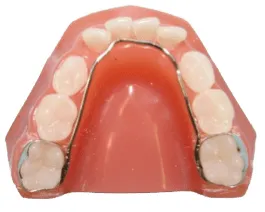
Space maintainers can be designed in different forms depending on the clinical situation. The appropriate design may depend on the location of the missing primary tooth, the patient's dentition, eruption status, and other factors assessed by the dental professional. Some appliances may be fixed, while others may be removable when clinically appropriate. Because each design has different fabrication requirements, the laboratory must follow the specific prescription rather than relying on a generic approach. Careful design selection and fabrication can help the finished appliance correspond with the intended clinical purpose.
Considering Pediatric Dental Anatomy
Children's mouths are constantly developing, which makes pediatric appliance fabrication particularly detail oriented. Erupting teeth, changing arch dimensions, and developing occlusion can all influence appliance requirements. Laboratory technicians must work from current records and follow the dentist's instructions when producing the appliance. A design that is appropriate at one stage of development may not remain suitable indefinitely. Regular clinical monitoring is therefore essential. The laboratory supports fabrication based on the information provided, while the dental professional evaluates the patient's changing oral conditions and determines whether continued use remains appropriate.
Why Fit and Finishing Matter
A space maintainer must be carefully fabricated so that it corresponds with the patient's dental structures and the prescribed design. Proper adaptation can support comfort and help the appliance perform its intended function. Finishing also deserves attention because rough surfaces or poorly finished edges may create unnecessary irritation. Laboratory technicians can inspect the appliance during production and before delivery to identify technical concerns. These quality checks do not replace the clinical fitting appointment, but they can help reduce avoidable fabrication issues and support a smoother transition from laboratory production to patient care.
Supporting Patient Comfort
Children may be particularly sensitive to unfamiliar appliances, making comfort an important consideration. Appropriate contours, smooth finishing, and careful adaptation can help make an appliance easier to tolerate. The dental professional can assess the appliance in the patient's mouth and make clinical adjustments when needed. Laboratory technicians contribute by following fabrication specifications and paying attention to technical details. When the clinical and laboratory teams work together effectively, they can support an appliance that is both appropriately manufactured and suitable for professional evaluation before being incorporated into the patient's treatment plan.
Maintaining Consistency During Laboratory Production
Consistent fabrication processes can help laboratories manage different pediatric cases efficiently. Standardized quality checks may include reviewing patient records, confirming appliance specifications, inspecting components, assessing finishing, and verifying the completed device against the submitted prescription. Consistency does not mean every appliance should be identical. Instead, it means each case should pass through reliable production procedures while maintaining its individual design requirements. This approach can help reduce technical errors and give dental practices greater confidence that submitted cases are being handled according to established laboratory protocols.
The Value of Quality Control
Quality control is particularly important for appliances intended for children because small fabrication details can influence the final fit and usability. Laboratory teams can inspect components, soldered or connected areas when applicable, appliance contours, and finishing before releasing a case. Digital workflows may also provide opportunities to review virtual models and designs before manufacturing. These checks can identify discrepancies early and reduce the possibility of avoidable remakes. Careful inspection demonstrates how laboratory expertise contributes to the overall treatment workflow while keeping clinical decision making with the treating dental professional.
Digital Technology in Space Maintainer Fabrication
Digital dentistry has introduced additional options for planning and fabricating certain dental appliances. Intraoral scanning can create detailed digital models that laboratories can receive electronically, reducing the need for physical impression transportation in compatible workflows. Computer aided design may also support more precise planning and visualization before manufacturing. Digital systems can make case information easier to organize and retrieve when future adjustments or replacements are needed. Even with advanced technology, however, accurate scanning, correct file handling, appropriate design, and skilled technical review remain necessary for producing a dependable appliance.
Improving Communication Through Digital Workflows
Digital communication can make it easier for dental practices and laboratories to exchange scans, prescriptions, photographs, and other relevant case information. Faster transfer can reduce certain logistical delays and allow technicians to review cases sooner. If questions arise about the prescription or digital records, the laboratory can communicate with the dental team before production begins. This proactive approach can prevent misunderstandings and reduce the possibility of producing an appliance that does not reflect the intended clinical requirements. Effective communication remains important regardless of whether the workflow is physical, digital, or a combination of both.
Supporting Efficient Pediatric Dental Appointments
A carefully coordinated laboratory workflow can also support appointment organization. When an appliance arrives according to the expected production schedule and has undergone appropriate technical inspection, the dental practice can prepare for the patient's fitting appointment. Predictable communication about case status can help staff manage scheduling and patient expectations. If technical questions or missing information are identified early, they can often be addressed before the planned delivery appointment. This coordination can reduce avoidable disruptions and help dental practices provide a more organized experience for children and their families.
Managing Adjustments and Replacement Needs
Even a carefully fabricated appliance may require clinical adjustment after placement or replacement later in treatment. Children's dental structures change as they grow, and appliances may experience wear or damage during everyday use. Dental professionals can assess these situations and determine whether adjustment, repair, or replacement is appropriate. When new fabrication is required, current clinical records help the laboratory produce an updated appliance. Maintaining organized case information can make this process easier and support continuity between the original treatment plan and subsequent laboratory work.
Supporting Long Term Dental Development
Space maintenance is connected to broader pediatric dental development because preserving an appropriate area can be relevant to the eruption of permanent teeth. The dental professional determines whether an appliance is indicated and monitors the patient's development throughout treatment. Laboratory fabrication supports that clinical strategy by providing the physical device according to the prescribed design. Careful manufacturing, suitable materials, accurate records, and appropriate finishing all contribute to the technical side of this process. Consistent collaboration can therefore help practices manage space maintenance as part of a broader approach to developing dentition.
The Importance of Laboratory Experience
Experience with pediatric appliances can help laboratory technicians understand the technical considerations associated with different designs and fabrication methods. Familiarity with case documentation, material handling, finishing procedures, and quality control can support more consistent production. However, laboratory experience should complement rather than replace clinical direction. The dentist remains responsible for diagnosis, appliance selection, placement, and follow up. A capable laboratory provides technical expertise that supports those clinical decisions by producing appliances according to the information and specifications supplied with each case.
Conclusion
Careful fabrication is an important consideration when dental professionals select a laboratory for space maintenance appliances. Accurate records, clear prescriptions, suitable materials, individualized design, precise production, careful finishing, and consistent quality control can all contribute to a well coordinated workflow. Pediatric cases also require ongoing clinical monitoring because developing teeth and changing oral structures can affect treatment needs over time. Ohlendorf Appliance Laboratory can support dental professionals with carefully fabricated appliances based on documented clinical requirements and patient specific records. Strong communication between the practice and laboratory can help create an organized approach to pediatric appliance care.

















Sign in to leave a comment.