

Walk into a professional kitchen and you will often find an impressive collection of spices. Some are stored as powders, while others are kept whole in jars, containers, or spice boxes. There is a simple reason for this: many chefs prefer Whole Spices because they offer greater control over flavour, aroma, freshness, and cooking techniques.
Pre-ground spice blends are certainly convenient. They save preparation time and can make everyday cooking easier. But when the goal is to create a dish with depth, character, and a freshly prepared aroma, whole spices have several advantages.
So, what makes whole spices so useful in professional cooking? Let’s explore the reasons chefs continue to reach for them.
Whole Spices Offer a Fresher Aroma
One of the first things chefs notice about a spice is its aroma. Aroma plays an important role in how we experience food, and whole spices can retain their natural aromatic compounds for longer when stored properly.
Once a spice is ground, its surface area increases significantly. More of the spice is exposed to air, which can gradually affect its aroma and flavour. Whole cumin seeds, coriander seeds, cardamom pods, cloves, peppercorns, cinnamon sticks, and similar spices generally protect their interior for longer because the outer structure remains intact.
Grinding a spice shortly before cooking can therefore release a noticeably fresh fragrance. This is particularly useful in dishes where spices are an important part of the overall flavour profile.

Better Control Over Flavour
Cooking is not always about following a fixed measurement. Professional chefs frequently adjust ingredients based on the dish, cooking method, season, and desired flavour.
Whole spices give chefs greater control over this process.
For example, cumin seeds can be lightly toasted before being added to a dish. Cardamom pods can be crushed or used whole. Peppercorns can be ground coarsely or finely depending on the recipe. Cinnamon sticks can gently infuse a sauce, curry, rice dish, or beverage before being removed.
With a pre-ground blend, the proportions of individual spices have already been decided. That can be useful for consistency, but it offers less flexibility when a chef wants to highlight one particular flavour.
Toasting Unlocks More Flavour
One of the biggest reasons chefs value whole spices is the ability to toast them.
Dry roasting or gently heating spices can transform their aroma. Heat helps release aromatic oils and creates deeper roasted notes. Whole spices are especially suitable for this technique because they can be heated without immediately becoming burnt or overly bitter.
Think about the difference between freshly toasted cumin seeds and an older jar of cumin powder. The toasted seeds can release a warm, earthy aroma almost instantly.
The same principle can be applied to coriander seeds, fennel seeds, mustard seeds, peppercorns, and several other spices.
However, temperature matters. Spices can burn quickly if exposed to excessive heat. Experienced cooks usually toast them carefully and remove them from the heat as soon as their aroma becomes pronounced.
Whole Spices Allow Fresh Grinding
Freshly ground spices can bring another layer of flavour to cooking. A chef can grind only the amount needed for a particular recipe, leaving the remaining whole spices intact for later use.
This is especially useful for spices such as black pepper, coriander, cumin, fennel, and certain spice seeds.
The grind size can also be adjusted. A coarse grind may provide small bursts of flavour and texture, while a fine grind can distribute the spice more evenly through a sauce or marinade.
This level of control is difficult to achieve with a ready-made powder.
More Flexibility Across Different Cooking Techniques
Whole spices are not limited to one cooking method. They can be used at different stages of a recipe depending on the desired result.
For example, whole spices can be:
- Tempered in hot oil or ghee
- Toasted in a dry pan
- Added to slow-cooked sauces
- Infused into stocks and broths
- Used in rice dishes
- Ground into fresh spice pastes
- Added to marinades
- Used to flavour beverages
- Included in pickling mixtures
This versatility makes Whole Spices valuable for chefs who work across different cuisines.
A cinnamon stick, for instance, can be used in a savoury curry, aromatic rice preparation, dessert, or hot beverage. A few crushed cardamom pods can add fragrance to both sweet and savoury recipes.
Easier to Create Custom Spice Blends
Pre-ground blends are designed around a particular flavour profile. They can be useful when consistency and speed are the main priorities. However, chefs often want to create their own combinations.
Starting with whole spices makes custom blending possible.
A chef can toast coriander, cumin, fennel, and other spices separately before grinding them together. This allows each spice to be handled according to its characteristics.
The proportions can also be adjusted. A blend intended for a mild curry may use more coriander, while another preparation may require greater emphasis on pepper, cumin, or warming spices.
This ability to build a blend from scratch gives chefs greater creative freedom.
Better Understanding of Each Spice
Working with whole spices also helps cooks understand individual ingredients.
When spices are kept separate and whole, it is easier to notice their different shapes, colours, textures, and aromas. A chef can learn how a particular spice changes when it is toasted, crushed, ground, infused, or cooked in oil.
That knowledge can improve cooking skills over time.
Instead of simply adding a spoonful of an existing blend, the cook begins to understand why certain combinations work together and how cooking techniques affect flavour.
Whole Spices Can Be Stored for Longer
Proper storage is essential for maintaining spice quality. Whole spices generally have an advantage because their internal oils and aromatic compounds are less exposed to air than those in ground spices.
This does not mean whole spices remain fresh indefinitely. They can still lose aroma over time, especially when exposed to heat, moisture, light, or air.
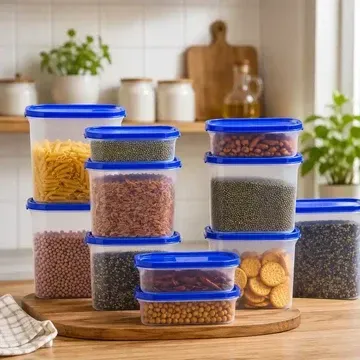
For best results, whole spices should be stored in airtight containers in a cool, dry, dark place. Keeping them away from steam from the stove is also important because moisture can affect both texture and freshness.
Buying smaller quantities and replenishing them regularly can also help maintain quality.
Whole Spices Can Improve Texture
Spices do more than provide flavour. In some recipes, their texture becomes part of the eating experience.
Whole mustard seeds can pop in hot oil and provide tiny bursts of flavour. Cumin seeds can add a pleasant crunch to certain dishes. Crushed peppercorns can create a more noticeable texture than finely ground pepper.
Similarly, toasted spices can be sprinkled over dishes as a finishing element.
This gives chefs another tool for creating contrast between creamy, soft, crisp, and crunchy components.
Pre Ground Blends Still Have Their Place
Preferring whole spices does not mean pre-ground blends are bad or unsuitable.
Ground blends are extremely practical for busy kitchens. They can save time, simplify recipes, and provide predictable flavour. They are particularly useful when a recipe requires several spices in fixed proportions.
For everyday cooking, convenience can be just as important as culinary experimentation.
The real difference comes down to what the cook wants to achieve. When speed and consistency matter, a ready-made blend can be helpful. When freshness, customization, aroma, and technique are the focus, whole spices provide more possibilities.
How Home Cooks Can Use Whole Spices Like Chefs
You do not need a professional kitchen to benefit from Whole Spices. A few simple habits can make a noticeable difference.
Start by keeping a small collection of versatile spices such as cumin seeds, coriander seeds, black peppercorns, cinnamon, cloves, cardamom, fennel, and mustard seeds.
Try dry-toasting small quantities before grinding them. Use a mortar and pestle, spice grinder, or other suitable kitchen tool depending on the texture you need.
You can also experiment with tempering. Heat a small amount of oil, add whole spices, and allow their aroma to develop before adding the other ingredients. Just keep the heat controlled to prevent burning.
Most importantly, taste as you cook. Spices should complement the main ingredients rather than overpower them.
Final Thoughts
The preference for Whole Spices in professional kitchens is not simply about tradition. It is about control. Whole spices give chefs the ability to manage aroma, freshness, intensity, texture, grind size, and cooking technique according to the dish.
They can be toasted, crushed, freshly ground, infused, tempered, or used whole. This flexibility makes them particularly valuable when a chef wants to build flavour from the ground up.
Pre-ground blends remain convenient and useful, especially for quick and consistent cooking. But for cooks who enjoy experimenting and want to understand how individual spices contribute to a dish, keeping whole spices in the kitchen can open up an entirely different approach to cooking.
Sometimes, the smallest change such as grinding a spice moments before using it or gently toasting it in a pan - can make the cooking process more aromatic, flexible, and enjoyable.































Sign in to leave a comment.