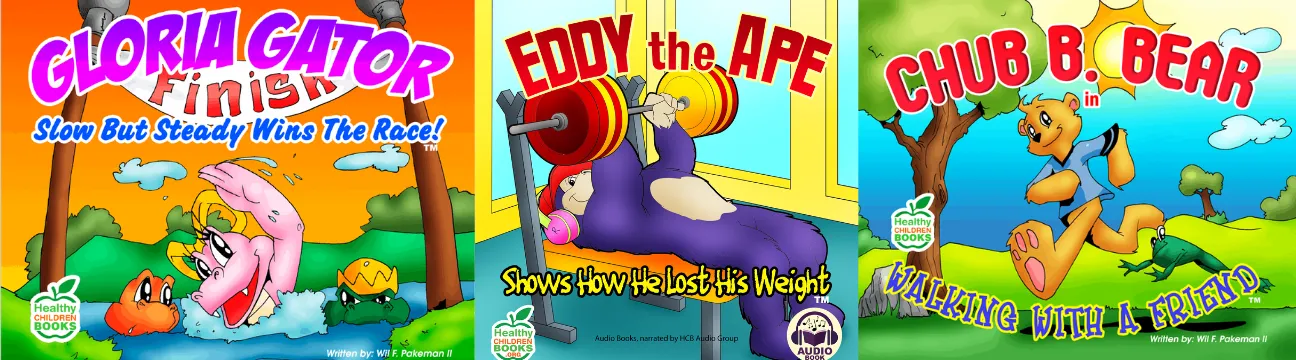

Storytime is more than simply reading words from a page. For young children, the way a story sounds can make characters feel more expressive and memorable. This is one reason children's books with audio are becoming an appealing option for parents who want to add another dimension to reading.
At Healthy Children Books, engaging storytelling can help introduce young children to important concepts while keeping the experience enjoyable. Audio can complement illustrations and written words, creating a more interactive storytime experience.
What Makes Audio Storytelling Different?
When children listen to narration, they hear the rhythm, tone, and emotion of a story. A character can sound excited, surprised, curious, or concerned. These changes can help children understand what is happening and recognize emotions within the story.
For preschoolers who are still developing their reading skills, listening can also allow them to enjoy stories independently while continuing to build familiarity with language.
Supporting Early Language Development
Listening to stories exposes children to vocabulary and sentence structures that may not appear in everyday conversations. Repeated exposure to words can help children become familiar with their meanings and pronunciation.
Parents can make the experience more interactive by discussing unfamiliar words after the story. If a character talks about a particular fruit, for example, parents can show the child the real fruit or talk about its color, texture, and taste.
In this way, children's books with audio can become a starting point for conversations and activities beyond storytime.
Audio Can Bring Characters to Life
Imagine a story where a cheerful character is getting ready for breakfast. Hearing the character's voice can make the scene feel more personal. Children may begin to recognize characters by their voices and anticipate how they will react to different situations.
This can be particularly effective when books introduce recurring characters. Familiar characters can help children connect different stories and remember the lessons presented throughout them.
Combining Audio With Visual Learning
Audio does not have to replace traditional reading. Instead, it can complement pictures and written text.
A parent might read along while the child listens to narration. Another option is to let the child listen first and then talk about the illustrations. Older preschoolers can eventually try following the written words while listening.
The right approach depends on the child's age and preferences.
Using Stories to Discuss Healthy Choices
Educational storytelling can make everyday subjects easier to discuss. Healthy Children Books can use characters and situations to introduce ideas surrounding health, nutrition, activity, and positive routines.
For example, after listening to a story about a character choosing a balanced meal, parents might ask, “What foods do you like to eat?” or “What could we add to our lunch?”
These conversations allow children to connect fictional experiences with their own lives.
Choosing the Right Audio Book
When selecting children's books with audio, look for age-appropriate language, clear narration, positive themes, and stories that hold the child's attention. Audio should enhance the story rather than overwhelm it.
It is also helpful to choose books that encourage parent-child interaction. A good story can become an invitation to talk, laugh, ask questions, and share experiences.
Making Storytime Memorable
Children may remember the sound of a character's voice, a funny moment, or a repeated phrase long after the story ends. These small details can make reading a memorable part of childhood.
With thoughtful stories and engaging characters, Healthy Children Books can help families turn everyday reading into a fun learning experience where children listen, imagine, and learn together.


























Sign in to leave a comment.