

Diesel vehicles rely on properly functioning exhaust systems to maintain dependable performance, emissions control, and safe operation. Within these systems, the diesel particulate filter (DPF) plays an important role by capturing soot and particulate matter from exhaust gases. However, the filter itself is only one part of the overall assembly. Supporting components, including clamps, gaskets, sensors, and connecting hardware, help keep the exhaust system securely assembled. Choosing the right Cummins DPF clamp is therefore an important consideration when servicing or replacing components around a diesel particulate filter.
A suitable clamp provides a secure connection between exhaust components while helping maintain proper alignment. For heavy-duty trucks, commercial vehicles, construction equipment, agricultural machinery, and other diesel-powered applications, exhaust components can experience high temperatures, vibration, pressure changes, and demanding operating conditions. A properly selected clamp can help support the integrity of these connections and reduce the likelihood of issues caused by improper fitting or unsuitable hardware.
What Is a Cummins DPF Clamp?
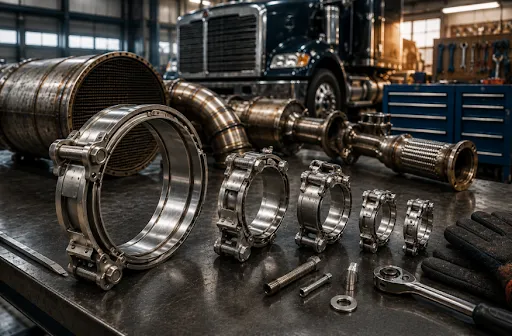
A DPF clamp is a mechanical fastening component used to secure sections of an exhaust system around the diesel particulate filter assembly. Depending on the vehicle and exhaust configuration, clamps may connect the DPF to other exhaust components or help hold sections of the system together.
Cummins-powered vehicles can operate in demanding environments where exhaust components are exposed to considerable heat and mechanical stress. Because of this, the clamp needs to be appropriate for the specific application. Size, design, material, connection type, and compatibility are all factors that should be considered before installation.
Using a clamp that does not properly match the exhaust connection can create installation problems. A component that is too large, too small, incorrectly shaped, or unsuitable for the application may not provide the secure fit required by the system.
Why the Right DPF Clamp Matters
The condition and compatibility of exhaust hardware can affect how securely the system remains assembled. While a clamp is a relatively small component compared with the DPF itself, its function is important because it helps maintain a connection between exhaust components.
1. Supports a Secure Exhaust Connection
A properly fitted clamp helps keep connected exhaust components securely positioned. Diesel exhaust systems are exposed to vibration during normal vehicle operation, particularly in heavy-duty applications. Over time, repeated vibration can place additional stress on poorly fitted or damaged hardware.
The right clamp helps provide a stable mechanical connection that is appropriate for the exhaust assembly. This is particularly important when a DPF has been removed for professional cleaning, inspection, repair, or replacement and then needs to be reinstalled.
2. Helps Maintain Proper Component Alignment
Exhaust components need to connect correctly for the system to function as designed. Misalignment can place unnecessary stress on connected components and make installation more difficult.
A compatible DPF clamp can help maintain the intended connection between exhaust sections. Proper alignment also makes it easier to ensure that associated gaskets and other connection components are positioned correctly during assembly.
3. Designed for Demanding Exhaust Conditions
Exhaust systems operate at elevated temperatures, and heavy-duty diesel vehicles can subject components to demanding operating conditions. A clamp intended for exhaust applications needs to be suitable for the temperature and mechanical environment in which it will be used.
Selecting application-appropriate hardware rather than a generic substitute can help reduce compatibility concerns. Vehicle owners and technicians should always consider the manufacturer's specifications and the requirements of the particular exhaust assembly.
4. Helps Reduce the Risk of Connection Problems
A damaged, loose, or incorrectly fitted clamp can contribute to exhaust connection problems. Depending on the location and condition of the connection, issues may include movement between components, unusual exhaust noise, or visible signs of leakage.
Not every exhaust problem is caused by the clamp itself. Gaskets, pipes, mounting components, sensors, and the DPF can also contribute to problems. For that reason, a complete inspection is often useful when servicing an exhaust assembly.
Signs That a DPF Clamp May Need Attention
A DPF clamp does not necessarily need replacement simply because the DPF has been cleaned. Its condition should be inspected whenever the exhaust assembly is disassembled.
Some signs that may indicate a clamp requires inspection include:
- Visible corrosion, cracking, or physical damage
- Difficulty securing the exhaust components correctly
- A clamp that no longer fits properly
- Movement between connected exhaust sections
- Visible signs of exhaust leakage near the connection
- Unusual exhaust noise following DPF installation
- Hardware that has become deformed or excessively worn
If any of these conditions are present, the vehicle should be inspected by a qualified technician. Replacing a questionable clamp during exhaust service may help prevent installation issues from becoming more significant.
Choosing the Correct Cummins DPF Clamp
Selecting the correct clamp requires more than simply choosing one that appears similar to the original component. Different diesel applications can use different exhaust configurations, dimensions, and connection styles.
Before purchasing a replacement, consider the following factors.
Application Compatibility
Confirm that the clamp is designed for the specific Cummins-powered vehicle, engine, DPF assembly, or exhaust configuration. Part numbers and manufacturer specifications can help identify the correct component.
Size and Dimensions
The clamp must match the dimensions of the connection it is designed to secure. An incorrect size can prevent proper installation or fail to provide the intended connection.
Material and Construction
Exhaust components experience heat and vibration, so the clamp should be manufactured from material appropriate for the application. Quality construction can be particularly important for vehicles that operate frequently or under heavy loads.
Connection Design
Different exhaust assemblies may use different connection styles. Understanding the specific connection design can help prevent purchasing a clamp that cannot properly secure the intended components.
Overall Condition
When reinstalling an existing clamp, inspect it carefully. Surface corrosion, deformation, cracks, damaged hardware, or signs of excessive wear may indicate that replacement is appropriate.

The Relationship Between DPF Cleaning and Clamp Inspection
DPF cleaning and clamp inspection often go hand in hand because cleaning typically involves removing the filter from the vehicle or exhaust assembly. Once the DPF is removed, technicians have an opportunity to examine the surrounding components.
A professional DPF service may include inspection of the filter before cleaning, removal of accumulated soot and ash using appropriate cleaning equipment, and testing after cleaning. During reinstallation, clamps and gaskets can also be checked to make sure the exhaust assembly is properly secured.
This approach can help identify worn components before the vehicle returns to regular operation.
Why Professional DPF Service Can Be Valuable
A DPF can accumulate soot and ash over time, particularly when a vehicle operates under conditions that do not allow effective regeneration. Excessive buildup can affect exhaust flow and contribute to performance-related concerns.
Professional cleaning can provide a more thorough approach to servicing a filter than simply relying on basic maintenance methods. The cleaning process should be appropriate for the filter type and condition, and post-cleaning testing can help determine whether the filter is flowing properly.
At the same time, replacing or inspecting associated hardware is an important part of responsible reinstallation. A clean DPF still needs to be installed correctly within the vehicle's exhaust system.
Common Mistakes When Replacing DPF Clamps
One common mistake is selecting a clamp based only on appearance. Two clamps may look similar but have different dimensions or application requirements.
Another mistake is reusing hardware that has visible damage or significant corrosion. Although reuse may sometimes be possible, damaged components should not be relied upon when they can no longer provide a secure connection.
Failing to inspect the surrounding gasket is another potential issue. A clamp and gasket work together at many exhaust connections, so replacing one component while ignoring a damaged mating component may not resolve the underlying problem.
Finally, overtightening or improperly installing a clamp can create additional problems. Installation should follow the appropriate specifications for the particular exhaust assembly.
Benefits of Using Quality Exhaust Hardware
Quality components can provide several practical advantages during DPF service. Properly manufactured clamps are designed to meet the dimensional and mechanical requirements of their intended application.
For fleet operators and commercial vehicle owners, reliable exhaust connections can also support maintenance efficiency. A vehicle that spends significant time in operation can experience costly downtime when components require unexpected repair.
Using compatible hardware during scheduled maintenance can help technicians complete the job correctly and reduce avoidable installation concerns.
Supporting Long-Term DPF System Maintenance
Choosing the correct clamp is only one part of maintaining a diesel exhaust system. Regular inspection and appropriate DPF maintenance are also important.
Drivers and fleet managers should pay attention to warning lights, changes in vehicle performance, unusual exhaust sounds, and other indications that the emissions system may require attention. Following the vehicle manufacturer's maintenance recommendations can help identify problems before they become more serious.
For vehicles operating in demanding environments, maintenance schedules may also need to account for operating conditions, mileage, duty cycles, and the type of work being performed.
Get Professional DPF Cleaning and Service Support
A properly selected Cummins DPF clamp can play an important role in maintaining a secure exhaust connection after DPF service. Choosing hardware that matches the application, inspecting clamps during filter removal, and addressing damaged components can help support reliable exhaust system assembly.
When a DPF requires professional cleaning, testing, or inspection, 30 Minute DPF Clean provides DPF cleaning services for diesel vehicles and heavy-duty applications. The service focuses on removing accumulated soot and ash and testing the filter after cleaning to help assess its condition.
If your Cummins-powered vehicle needs DPF cleaning or you are preparing to reinstall a cleaned filter, contact 30 Minute DPF Clean to discuss your service requirements and get professional assistance with your diesel particulate filter.




















Sign in to leave a comment.