
Modern manufacturing is moving faster than ever. Businesses are under constant pressure to develop new products, test designs, reduce production costs, and bring innovations to market quickly. Traditional manufacturing methods can sometimes make this process slow and expensive, especially when several design changes are required before a product is ready for production.

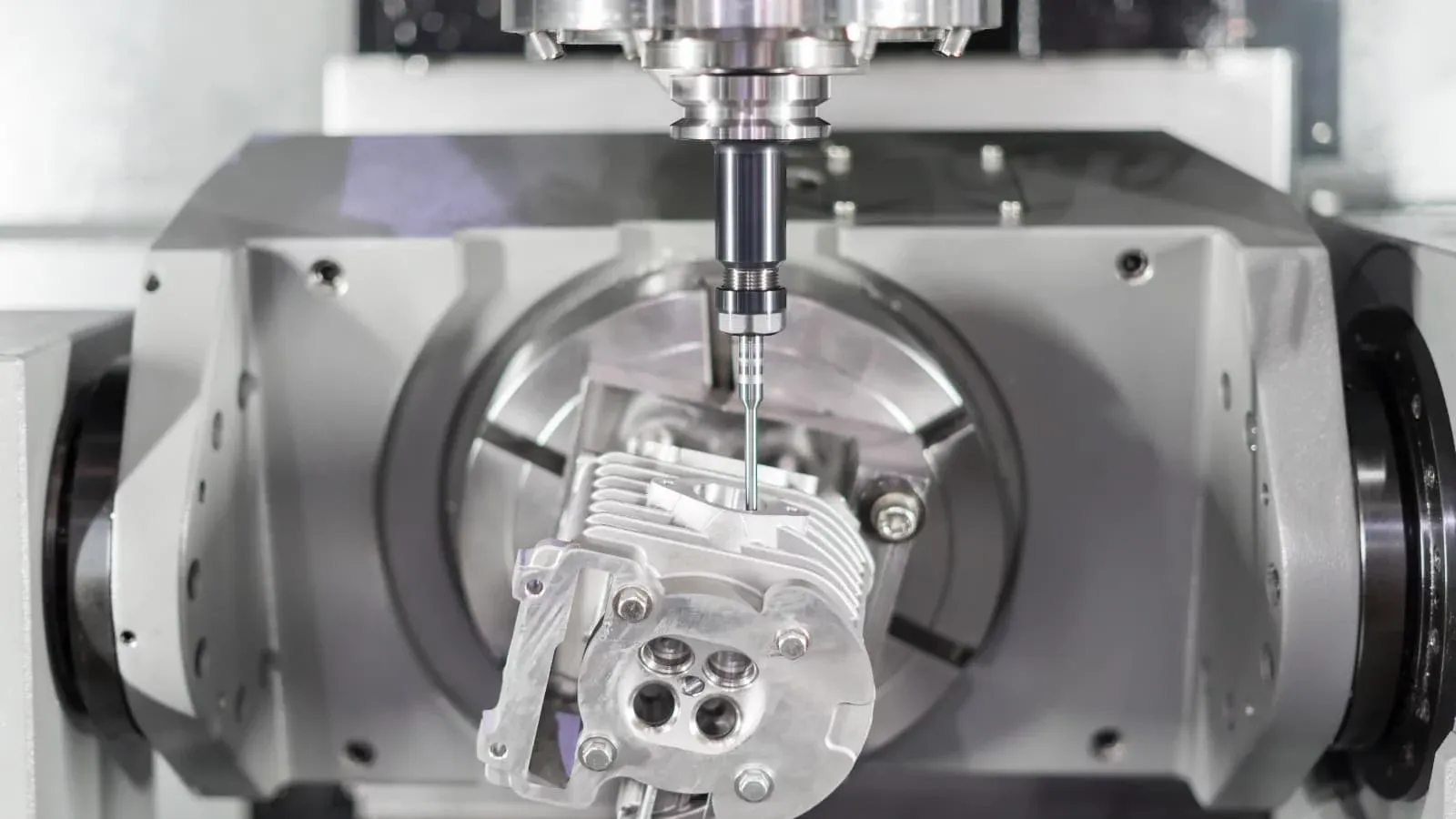
This is where Cnc Rapid Prototyping has become an important part of modern product development. By combining computer-controlled machining with rapid production techniques, manufacturers can transform digital designs into accurate physical prototypes in a relatively short time. This allows engineers and product designers to test their ideas, identify problems, and make improvements before moving into full-scale manufacturing.
At the same time, Cnc Custom Parts Machining Services provide manufacturers with the flexibility to produce specialized components according to precise design requirements. Together, these technologies are helping businesses create better products while improving efficiency throughout the manufacturing process.
What Is CNC Rapid Prototyping?
CNC stands for Computer Numerical Control. CNC machines use computer-controlled instructions to operate cutting tools and shape materials such as aluminum, steel, brass, plastics, and other engineering materials.
Cnc Rapid Prototyping applies this technology to the development of prototypes. Instead of relying entirely on manual fabrication or creating expensive production tooling, manufacturers can use a digital CAD model to machine a physical prototype.
The process generally begins with a 3D CAD design. The digital model is converted into machine instructions, and the CNC equipment removes material from a selected workpiece to create the required shape. Depending on the design, the prototype can include complex geometries, precise holes, threads, slots, surfaces, and other detailed features.
The result is a functional prototype that can be inspected and tested before a product enters large-scale production.
Why Is CNC Rapid Prototyping Becoming So Important?
One of the biggest advantages of Cnc Rapid Prototyping is speed. Product development teams often need to evaluate several versions of a design before deciding on a final configuration. Producing every version through conventional manufacturing methods can consume significant time and resources.
CNC machining makes it possible to move from a digital concept to a physical component more efficiently. When a design needs to be changed, engineers can update the CAD model and produce another prototype.
This creates a practical design cycle:
Design → Prototype → Test → Improve → Repeat
Shortening this cycle can help businesses identify design issues earlier and make informed manufacturing decisions.
1. Faster Product Development
Time is an important factor in competitive industries. Companies developing automotive components, industrial equipment, electronics, medical devices, and consumer products may need to evaluate designs quickly.
Cnc Rapid Prototyping allows development teams to create physical parts without waiting for lengthy production processes. Designers can examine the actual dimensions, fit, appearance, and functionality of a component rather than relying only on digital simulations.
Faster prototyping can therefore help teams move from an initial idea toward a production-ready design more efficiently.
2. Improved Design Testing
A digital model may look correct on a computer screen, but physical testing can reveal issues that are difficult to identify digitally.
A prototype can be used to check factors such as:
- Component fit and assembly
- Dimensional accuracy
- Interference between parts
- Ergonomics and usability
- Mechanical functionality
- Surface finish
- Overall design appearance
Finding these issues during the prototype stage can help prevent costly changes after production has already begun.
3. Greater Design Flexibility
Modern products often contain complex shapes and customized features. CNC machines can work with a wide range of geometries and materials, making them suitable for many different prototyping requirements.
If an engineer wants to modify a hole location, adjust a dimension, change a surface feature, or redesign an entire component, the digital model can be updated before another prototype is produced.
This flexibility is particularly useful for industries where products are continuously improved.
4. Reduced Development Risk
Launching a product without adequate testing can create significant manufacturing and financial risks. A design that looks promising may have unexpected problems once it becomes a physical component.
Cnc Rapid Prototyping gives manufacturers an opportunity to identify these problems before committing to larger production volumes.
For example, a prototype may reveal that two components do not fit together correctly or that a particular feature is difficult to manufacture. Engineers can then make adjustments while the project is still in development.
This approach can reduce the possibility of expensive redesigns later in the manufacturing cycle.
The Role of CNC Custom Parts Machining Services
While rapid prototyping is valuable for testing ideas, manufacturers also need reliable solutions for producing specialized components. This is where Cnc Custom Parts Machining Services can play an important role.
Custom CNC machining allows manufacturers to produce components based on specific drawings, CAD models, dimensions, material requirements, and tolerances.
Unlike standardized off-the-shelf components, custom-machined parts can be designed specifically for a particular application. This is useful when a component requires unusual dimensions, specialized geometry, or a particular material.
CNC custom machining can support both prototype development and low-volume production, depending on the project's requirements.
From Prototypes to Production
One of the major benefits of CNC machining is the ability to maintain a connection between prototyping and production.
A prototype created during the development stage can provide valuable information about the final manufacturing process. Once the design has been tested and approved, similar machining principles can often be applied when producing additional parts.
This continuity can make the transition from prototype development to production more straightforward.
For businesses developing specialized products, combining rapid prototyping with custom machining can provide a practical approach to managing both design development and component manufacturing.
Materials Used in CNC Prototyping
Another reason CNC prototyping is widely used is the variety of materials that can be machined.
Common choices include:
- Aluminum: Lightweight, machinable, and widely used for engineering prototypes.
- Stainless steel: Suitable for applications requiring strength and corrosion resistance.
- Brass: Often selected for components requiring good machinability and a distinctive appearance.
- Engineering plastics: Useful for lightweight components and certain functional prototypes.
- Mild steel: Used for applications where strength and durability are important.
The appropriate material depends on factors such as the component's function, operating environment, strength requirements, budget, and desired finish.
CNC Rapid Prototyping and Product Innovation
Innovation often depends on experimentation. Designers need the freedom to test ideas, discover problems, and try alternative solutions.
Cnc Rapid Prototyping supports this process by making physical experimentation more accessible. Instead of committing immediately to a final production design, development teams can create prototypes and evaluate them at different stages.
This can encourage more iterative product development.
For startups, engineering teams, and established manufacturers alike, the ability to quickly evaluate a new concept can be valuable when developing products in competitive markets.
Choosing the Right CNC Manufacturing Partner
The quality of a prototype or custom component depends not only on the CNC machine but also on the manufacturing process and expertise behind it.
When selecting a machining partner, businesses should consider factors such as:
- CNC equipment and machining capabilities
- Material options
- Dimensional tolerances
- Surface finishing capabilities
- Quality inspection processes
- Experience with complex components
- Prototype and low-volume production support
- Ability to work with CAD drawings and technical specifications
Clear communication is also important. Providing accurate drawings, material specifications, tolerances, and finishing requirements can help ensure that the final component meets the intended design.
The Future of Modern Manufacturing
Manufacturing is increasingly focused on speed, flexibility, precision, and efficient product development. Technologies such as CNC machining are evolving alongside digital design, automation, and advanced manufacturing systems.
Cnc Rapid Prototyping fits naturally into this changing environment because it connects digital product development with physical manufacturing. Designers can create a digital model, produce a physical component, evaluate it, and refine the design based on real-world results.
Meanwhile, Cnc Custom Parts Machining Services allow businesses to move beyond standardized components and develop parts specifically suited to their applications.
As manufacturers continue looking for ways to reduce development time and improve product quality, these capabilities are likely to remain important elements of the modern manufacturing process.
Conclusion
The manufacturing industry is changing because businesses need to develop products faster while maintaining accuracy and quality. Cnc Rapid Prototyping provides a practical way to turn digital designs into functional physical prototypes, allowing engineers to test and refine products before full-scale manufacturing.
At the same time, Cnc Custom Parts Machining Services provide the flexibility needed to manufacture specialized components for different applications.
Together, these approaches support a more iterative and efficient product development process. From the first concept to prototype testing and custom component production, CNC machining can help manufacturers reduce development risks, improve designs, and respond more efficiently to changing market requirements.
For businesses looking to modernize their product development process, CNC rapid prototyping and custom machining offer valuable tools for turning ideas into precisely manufactured components.






















Sign in to leave a comment.