

Education helps students understand the world.
But understanding can become deeper when students interact with communities outside their everyday environment.
This is why community service for students can be an important part of education.
It gives young people opportunities to see different realities, understand social challenges and think about how they can contribute.
Service Is More Than Volunteering Hours
Community service should not become an exercise in collecting certificates.
The most meaningful experiences encourage students to reflect.
They may begin asking questions:
What challenges do other communities face?
Why do these problems exist?
How can individuals contribute responsibly?
What can we learn from the people we are trying to support?
These questions can encourage empathy and awareness.
Learning Through Real Experiences
Students often study social issues through books and discussions.
Service learning can provide another perspective by connecting students with real communities.
This does not mean students will solve every problem.
Sometimes the most important outcome is simply developing a better understanding of the world around them.
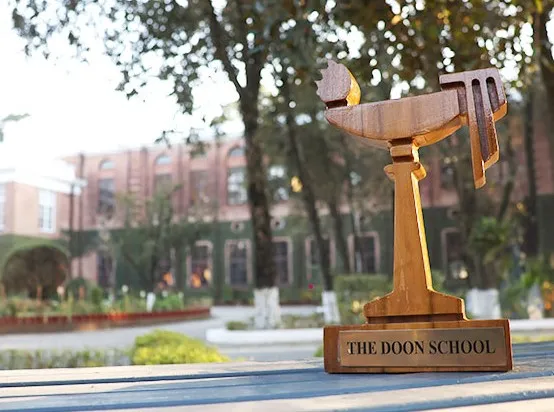
Service at The Doon School
Service has been part of The Doon School's educational approach since its early years.
The school states that every student participates in community service as part of an integrated and experiential curriculum designed to encourage empathy, leadership and civic engagement.
Students participate in projects in India and internationally through the Round Square Association.
Read more about service and social responsibility at Doon.
Developing Empathy
Empathy involves trying to understand another person's experience.
Community service can help students move beyond assumptions.
They may meet people from different backgrounds and learn that social challenges are often more complex than they first appear.
This can encourage students to listen before forming conclusions.
Service Can Build Practical Skills
Students may also develop useful skills through service projects.
Depending on the activity, they may practise:
- Communication
- Planning
- Teamwork
- Problem-solving
- Project management
- Leadership
These skills can complement academic learning.
Social Responsibility Starts Early
Children do not have to wait until adulthood to contribute to their communities.
Small actions can help students understand that they are part of a larger society.
The broader Life at Doon model places service alongside academics, pastoral care, activities and outdoor pursuits, and sports.
Learning to Contribute Without Expecting Recognition
One of the most valuable lessons from service is that not every meaningful action receives recognition.
Students may learn to contribute because something needs to be done, not because they expect an award.
This can shape how young people think about responsibility.
Education should help students prepare for careers and higher education.
But it can also encourage them to consider an important question:
How can I contribute to the world around me?
Community service gives students an opportunity to begin exploring that question early.























Sign in to leave a comment.