

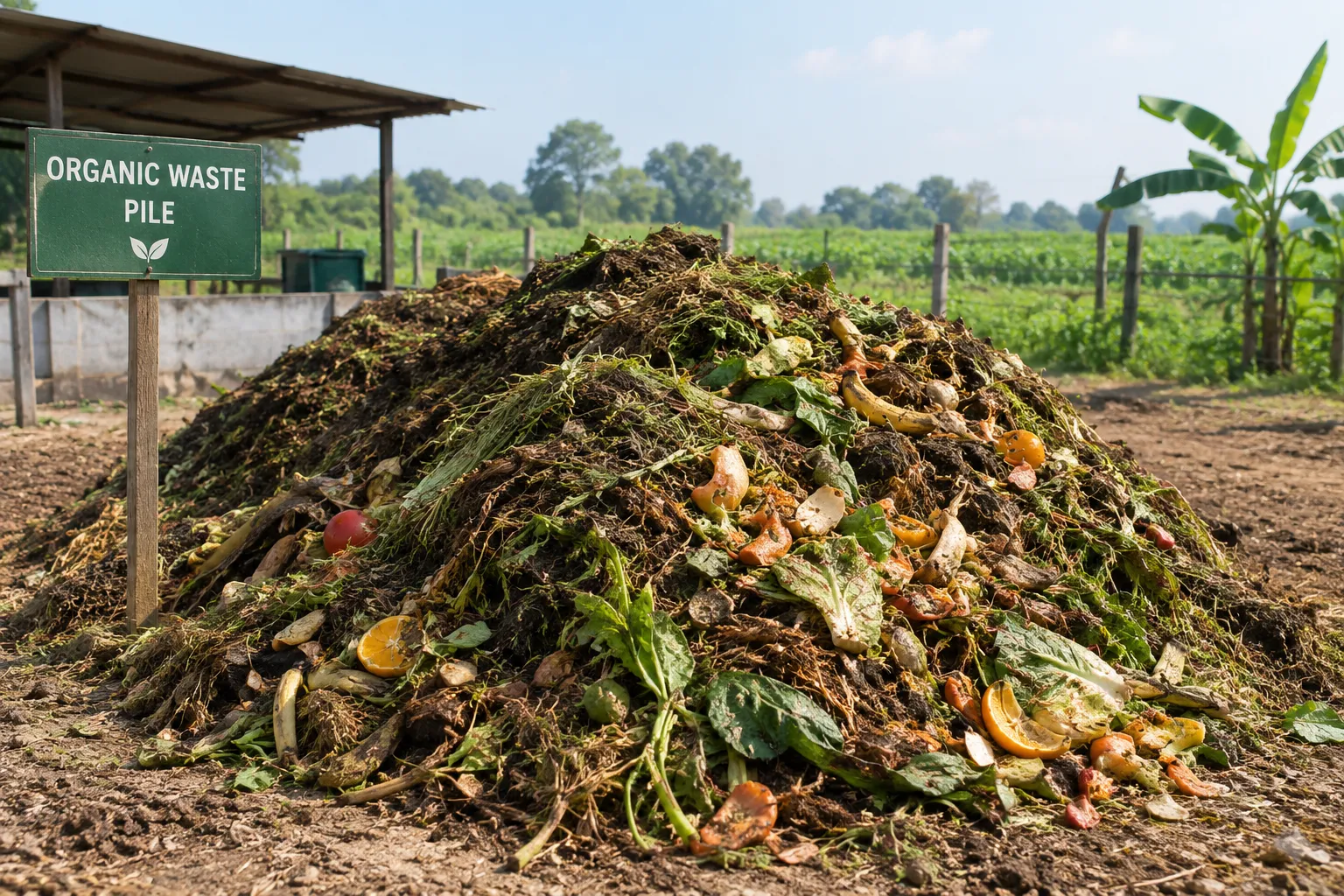
Every day, cities, farms, and industries produce huge amounts of organic waste. Food scraps, crop residue, cattle dung, and sewage often end up in landfills or open fields, where they rot and release harmful gases. At the same time, countries spend billions of dollars importing fuel. Compressed Biogas (CBG) offers a simple answer to both problems: turn the waste into clean fuel.
What Is Compressed Biogas?
When organic waste breaks down without oxygen, it produces biogas. This natural process is called anaerobic digestion. Raw biogas is mostly methane and carbon dioxide, with small amounts of other gases. To make CBG, the raw gas is cleaned, the carbon dioxide and impurities are removed, and the remaining methane is compressed. The final product contains over 90% methane, which makes it very similar to natural gas.
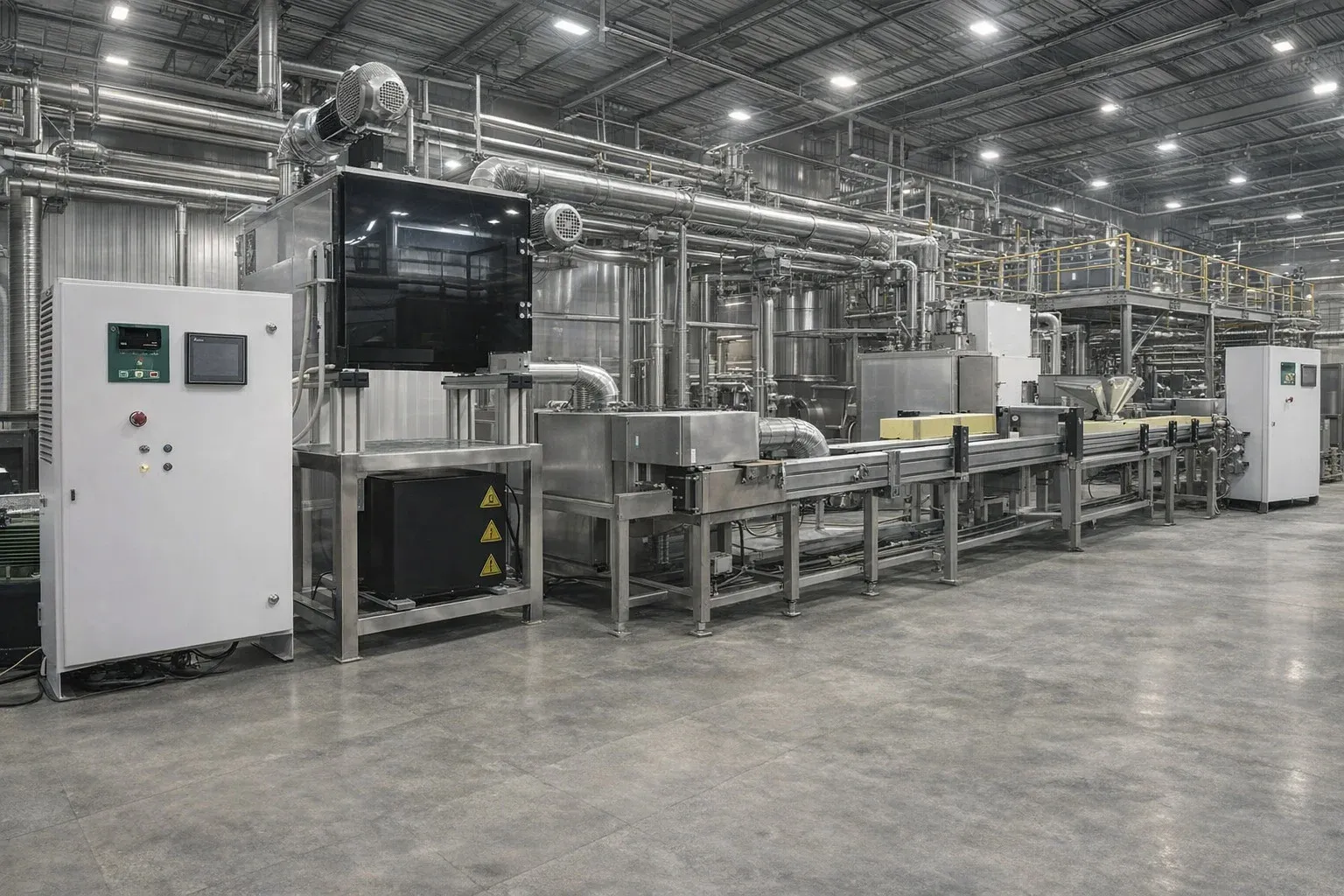
CBG can run vehicles, power factories, and fuel commercial kitchens. Because it is compressed, it is easy to store and transport to where it is needed. The whole process begins with a well-designed biogas plant, which turns everyday waste into a steady supply of energy.
How Waste Becomes Fuel
The journey from waste to fuel is easy to follow. First, organic waste such as agricultural residue, food waste, animal manure, and press mud is collected and sorted. Next, it is fed into a digester, where bacteria break it down and produce raw biogas. The gas then goes through purification, which removes moisture, hydrogen sulfide, and carbon dioxide. Finally, the clean methane is compressed into cylinders and supplied as CBG.
Very little is wasted in this process. The material left in the digester, called digestate, is rich in nutrients and can be used as organic fertilizer. This means one waste stream gives us both fuel and a product that helps farming.

Why CBG Matters for Energy
Many countries depend heavily on imported crude oil and natural gas. This makes their economies sensitive to global price changes. CBG is produced locally from local waste, so it reduces import dependence and keeps money within the domestic economy.
CBG also creates new opportunities in rural areas. Farmers can earn extra income by selling crop residue and manure. Local plants create jobs in collection, transport, plant operation, and maintenance. In this way, CBG supports both energy needs and rural development.
Why CBG Matters for Pollution
Open burning of crop residue is a major cause of seasonal air pollution in many regions. Farmers often burn leftover straw because they have few affordable alternatives. When this residue is collected and used as a feedstock for CBG, the smoke and haze can be greatly reduced.
CBG itself also burns cleaner than petrol, diesel, and coal. It produces less smoke and fewer harmful particles, which helps improve air quality in cities where vehicle emissions are a serious concern.
There is also a climate benefit. Organic waste in landfills releases methane, a gas that traps far more heat than carbon dioxide. Capturing that methane and using it as fuel stops it from escaping into the atmosphere. When CBG replaces fossil fuels, emissions fall even further.
Why CBG Matters for Waste Management
Cities around the world struggle with overflowing landfills and poor waste disposal. A large share of urban waste is organic, and it is the main source of bad odors and leachate that can contaminate groundwater.
CBG plants give this waste a useful purpose. When wet organic waste is processed in a digester instead of being dumped, the load on landfills goes down. Neighborhoods become cleaner, and the risk to land and water is reduced. Waste stops being a burden and starts becoming a resource.

A Complete Waste-to-Value Approach
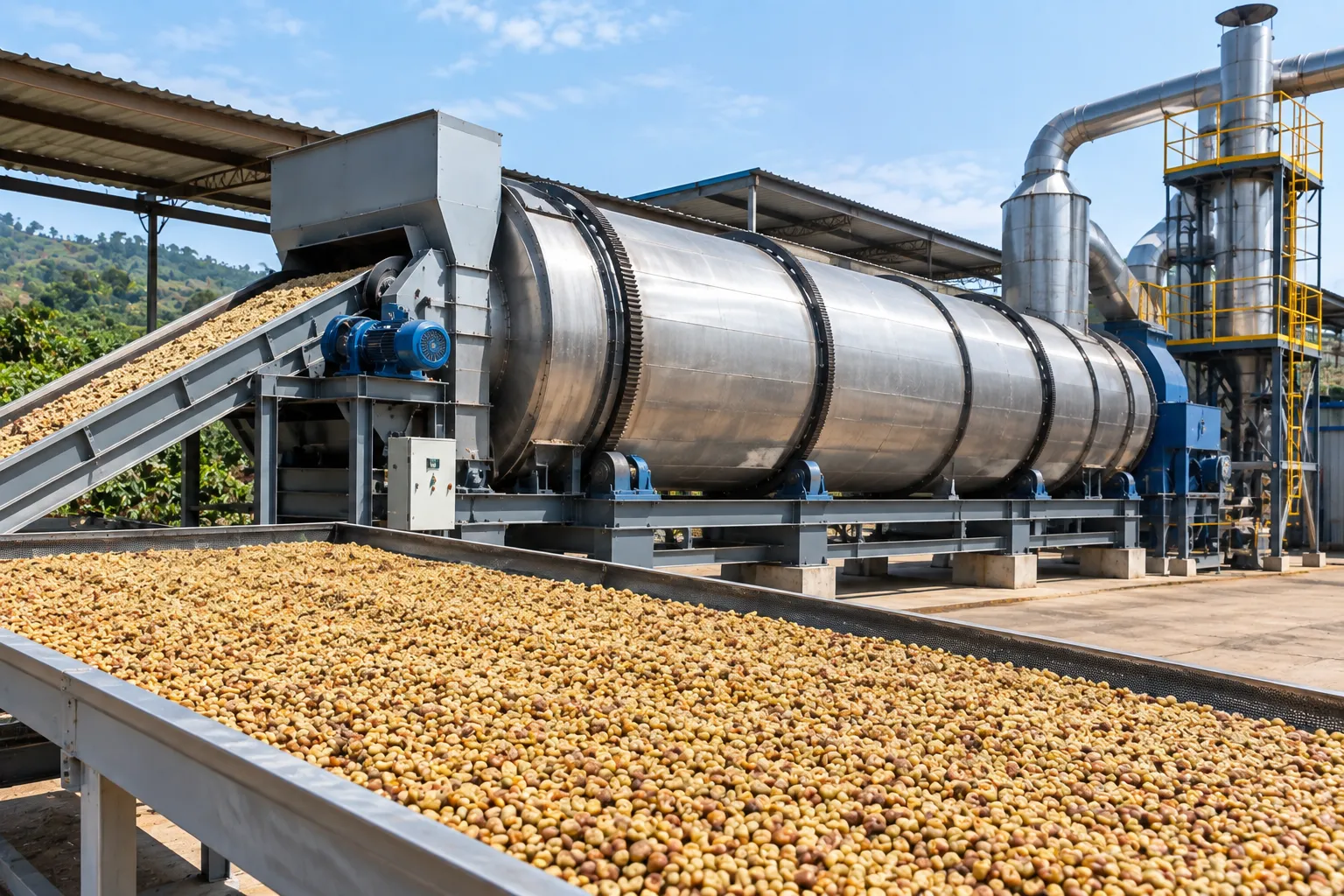
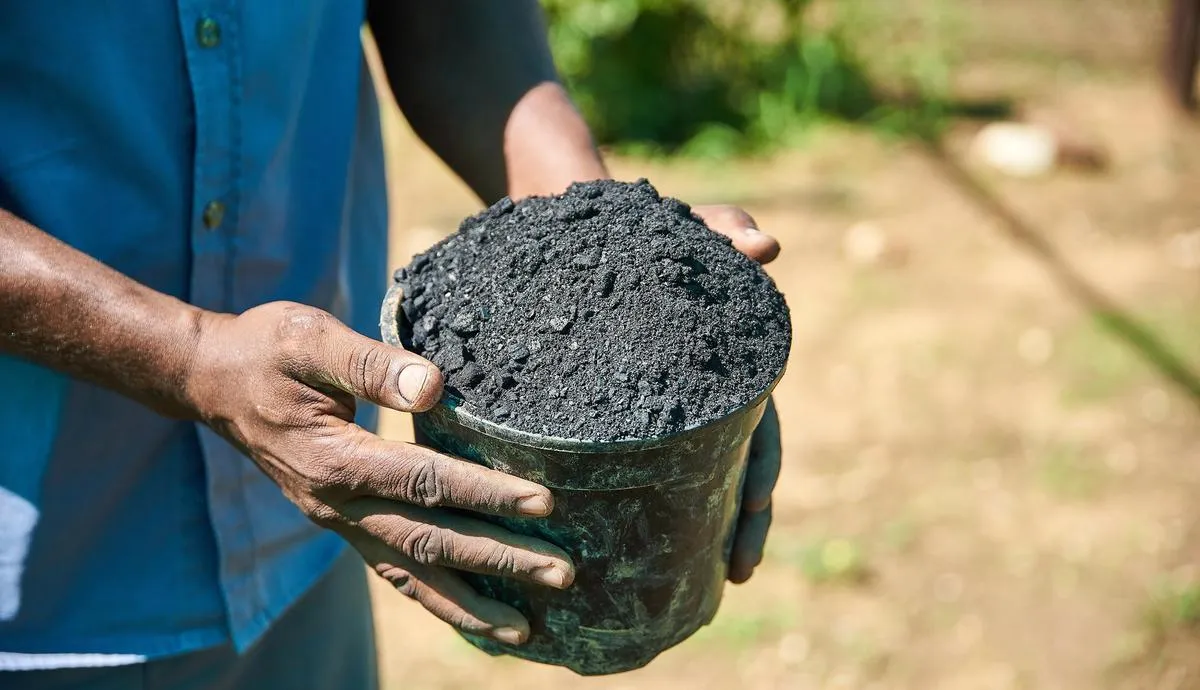
CBG works even better when combined with other biomass technologies. Not all agricultural waste is suitable for digestion. Dry and woody materials such as wood chips, husks, and straw can be converted into biochar through a biomass biochar plant. Biochar improves soil health, helps the soil hold water and nutrients, and locks carbon into the ground for a long time.
Each technology handles a different type of waste, so together they form a circular system in which almost every kind of organic material finds a use. Think of a farming region using both. Wet waste and manure go to the biogas plant for CBG. Dry crop residue goes to the biochar plant. The digestate and biochar return to the fields, improving the soil for the next crop. The cycle then begins again.
Challenges and the Way Forward
CBG is not without challenges. A steady supply of feedstock is essential, and collecting scattered waste from many farms requires good planning. The cost of setting up a plant can be high, and many potential users are still learning about CBG as a fuel. Infrastructure for distribution and filling stations also needs to grow.
The good news is that things are moving in the right direction. Government support, rising demand for clean fuel, and steady improvements in technology are making CBG projects more practical every year. Choosing the right plant design and a reliable technology partner makes a big difference in long-term success.
Conclusion
Compressed Biogas shows how a problem can become a solution. The same waste that pollutes our air, land, and water can power vehicles, industries, and homes. It strengthens energy security, cleans the air, reduces greenhouse gases, and solves a growing waste problem, all at the same time.
By investing in CBG and related biomass technologies, we can build a cleaner, more self-reliant, and more sustainable future, one load of waste at a time.






















Sign in to leave a comment.