

Constipation is usually associated with infrequent or difficult bowel movements, but the problem can sometimes involve more than discomfort.
When stool becomes hard and dry, passing it may require repeated straining. This can irritate the tissues around the anus and, in some cases, lead to pain or bleeding.
The important part is understanding why the bleeding occurs rather than immediately assuming it is piles.
Hard stool can irritate the anal canal
A large or hard bowel movement can stretch the anal canal and irritate its lining. A small tear may develop, resulting in an anal fissure.
People with a fissure often notice sharp or burning pain while passing stool. A small amount of bright red blood may also appear on toilet paper or on the outside of the stool.
Constipation can also make hemorrhoids worse. Repeated straining increases pressure around the hemorrhoidal tissues and may contribute to bleeding, swelling, itching, or discomfort.
Because the symptoms can overlap, the same symptom does not necessarily mean the same condition.
For a closer look at the differences, this guide explains how constipation-related bleeding may be connected to piles or anal fissure.
Why the problem can keep coming back
One of the frustrating parts of constipation is that it can create a cycle.
Hard stool causes pain or irritation. The person may then delay the next bowel movement because they expect it to hurt. Delaying bowel movements can make the stool harder, leading to more straining the next time.
When a fissure is already present, repeatedly passing hard stool can interfere with healing.
This is why managing bowel consistency is important rather than focusing only on the visible bleeding.
What bowel habits can help?
Several everyday habits may support healthier bowel movements:
- Include appropriate sources of dietary fiber.
- Drink adequate fluids.
- Stay physically active.
- Respond to the urge to pass stool.
- Avoid excessive straining.
- Avoid spending long periods sitting on the toilet.
These measures may help with constipation, but they are not a substitute for evaluation when symptoms continue.
Does bright red blood always mean piles?
No.
Bright red blood can occur with hemorrhoids or an anal fissure, particularly when bleeding follows a hard bowel movement. However, the colour of the blood alone cannot identify its cause.
Repeated bleeding, bleeding without an obvious explanation, or bleeding accompanied by other symptoms should be assessed by a qualified medical professional.
Pay attention to the overall pattern, including pain, bowel changes, swelling, itching, the amount of bleeding, and how frequently it occurs.
When should you seek medical attention?
Do not continue self-treating indefinitely if rectal bleeding keeps returning.
Medical evaluation becomes particularly important when bleeding persists or becomes more frequent, or when it occurs with significant pain, weakness, dizziness, black stools, unexplained weight loss, or changes in bowel habits.
Heavy bleeding or symptoms of significant blood loss require prompt medical attention.
A simple way to look at it
Constipation can contribute to anal fissures and can aggravate existing piles because hard stool and straining put additional stress on the anal area.
But bleeding is a symptom, not a diagnosis.
If you repeatedly notice blood after passing hard stool, pain during bowel movements, swelling, or persistent constipation, finding the underlying cause is more useful than simply assuming it is hemorrhoids.
For readers who want a more detailed explanation of the symptoms, possible causes, diagnosis, and treatment considerations, read the complete guide to constipation and blood in stool.
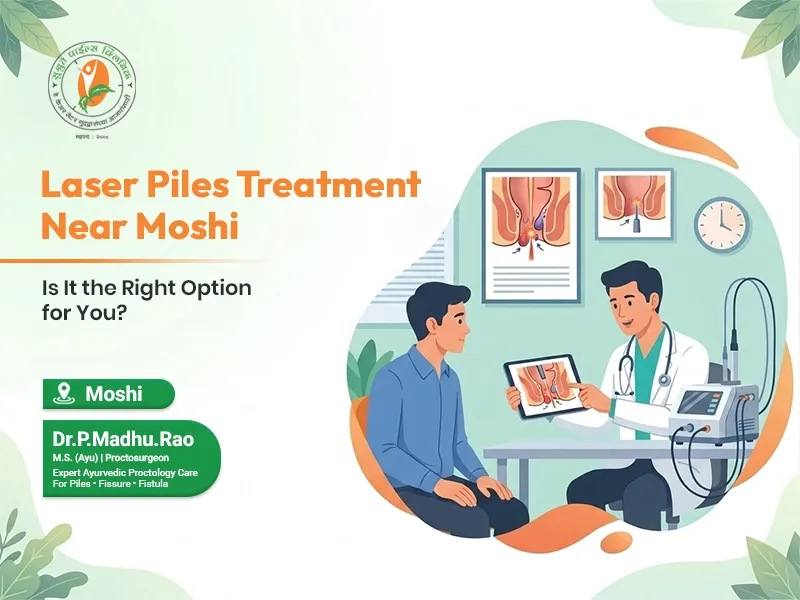
Sushrut Surgical Hospital, Moshi provides consultation and treatment guidance for piles, anal fissure, fistula, constipation-related anorectal symptoms, and other proctology conditions.






















Sign in to leave a comment.